

Africa strives to become a creator, not just a consumer of games
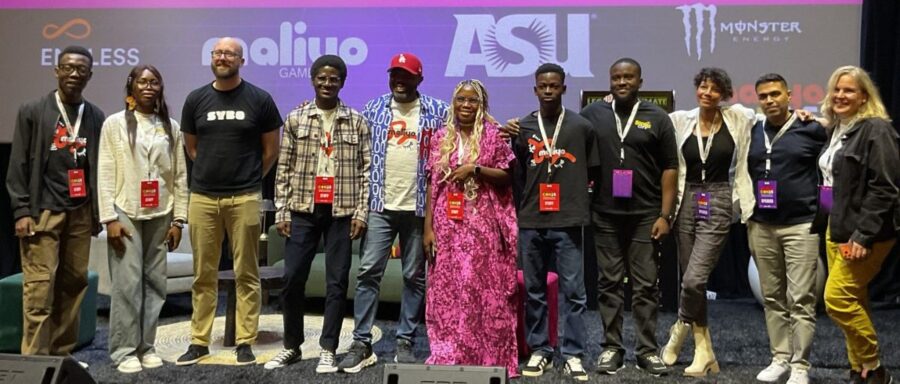
Developers at MaliyoCon25 in Nigeria highlight the progress and challenges in creating African-developed games, overcoming funding, infrastructure and talent hurdles to grow the continent’s gaming industry.
Nigeria.- African game developers are working to shift the continent from consuming games to producing their own, according to participants at MaliyoCon25, a Nigeria-based conference. The recent event highlighted the ambition, resilience and progress driving Africa’s emerging gaming sector, alongside practical challenges.
The conference brought together developers, studio founders and industry stakeholders to discuss creating African-developed games that reflect local cultures and experiences, rather than relying solely on imported titles.
Participants shared a forward-looking vision. According to a TechCabal report, the “developers were all drawn together by a shared belief that African-made games can stand confidently on the global stage”.
The conference also emphasised creating with Africa’s unique identity in mind. “Africa’s strength will come from building with the continent’s own identity and structural realities in mind, rather than replicating what exists elsewhere,” said the report.
Hugo Obi, Founder of Maliyo Games, emphasised resilience as key to growth. “You have got to be scrappy. There is no room for waiting for perfect conditions or ample resources,” Obi said, reflecting the realities of building studios and shipping games in Africa.
Obi also highlighted the long-term vision. “I want us to be a net producer, as opposed to a net consumer of games. Nothing else matters. As long as Africa is not producing the games that Africans are playing, this has to be done,” said Obi. He added that local game production is so important that it has become “a matter of national security”.
The event underscored the resourcefulness and determination required to develop games in Africa, often with limited funding, infrastructure or personnel.
Navigating real-world challenges
Developers tackled practical hurdles while driving innovation at the event. Christopher Adomako, Lead Product Manager at Maliyo, described the development process as uneven and frequently disrupted, citing challenges such as unreliable internet connectivity and power outages.
He said: “I don’t think I’ve ever worked on a project where we’ve started something, gone from brainstorming to game design and everything just went straight to the hands of players. It has definitely been stop-start.”
Obi also noted the difficulties of navigating limited resources. “Nothing we do is easy. The funding is not easy, the production is not easy, the personnel management is not easy,” he said, highlighting the obstacles faced by African developers.
MaliyoCon25 showcased growing collaboration across the continent. Developers are sharing knowledge, participating in mentorship programs and experimenting with mobile-first approaches to reach local audiences, demonstrating a commitment to building sustainable studios and African-developed intellectual property.
Although Africa’s gaming industry is still emerging, the combination of talent, collaboration and entrepreneurial drive is laying the foundation for a globally relevant, locally driven sector.