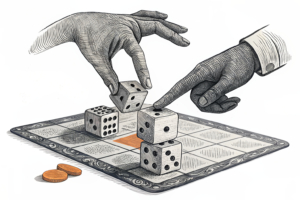


Nigeria’s online gaming industry hits ₦5.6 trillion
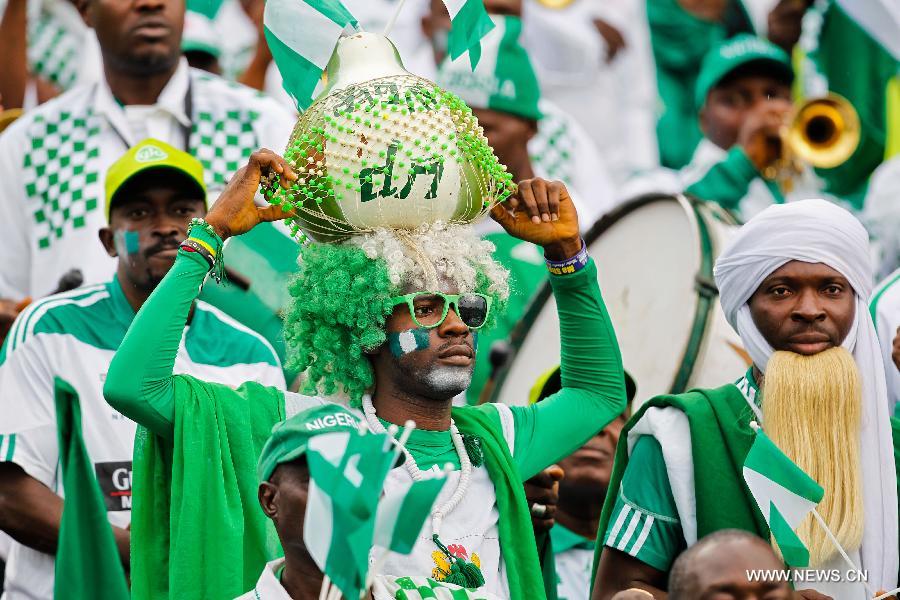

Legal ambiguity continues to pose significant impediments to investments, even as the sector generates substantial taxes and supports thousands of jobs.
Nigeria.- Nigeria’s online gambling market has reportedly reached ₦5.6trn (€3.3bn) this year, with more than 60 million people placing daily bets through mobile apps and digital platforms. Sports wagering and virtual games drive the sector, while smartphone access and easy payments facilitate the growth.
The industry’s growth has been accompanied by notable regulatory changes and challenges. In November 2024, the Supreme Court moved gaming oversight to states, limiting the National Lottery Regulatory Commission to the Federal Capital Territory (FCT). However, a proposal which seeks to establish a National Gaming Commission to oversee online and remote gaming across state borders has been passed by the Senate this week and awaits presidential assent.
The central gaming bill sets uniform national standards for licensing, taxation and player protections, while clarifying state control over physical operations. Expectedly, states have strongly opposed the bill, arguing it oversteps constitutional boundaries and threatens their authority to regulate gaming. The Federation of State Gaming Regulators of Nigeria (FSGRN) called it “an affront to the Supreme Court” while Lagos State has filed a fresh legal challenge.
For operators, the uncertainty in the regulatory landscape complicates business. Legal ambiguity continues to pose significant impediments to investments, even as the sector generates substantial taxes and supports thousands of jobs.
Opeyemi Osilojo, former Brand Manager at Parimatch, called regulation troubles “one of the core challenges” to market growth, adding that operators seek a “clear-cut” system like the US state model.
The sector’s expansion also begets a need for more responsible gaming laws and initiatives to protect vulnerable individuals and promote a safer betting environment. Counsellors at local NGOs report a 40 per cent rise in gambling-related calls since 2024, often from young men citing joblessness.
A Lagos Addiction Research Centre study found that 30 per cent of regular gamblers suffer some level of addiction. Other studies estimate problem gambling affects 1-8 per cent of the population, with 10-15 per cent at risk, and at least 1 per cent of Nigerians, mostly youth, already addicted.
In 2024, states collected ₦200bn (€118m) in gaming taxes, approximately 5.5 per cent of combined state internally generated revenues and more than 15 per cent of what states budgeted for health. This growing reliance on gambling revenue creates fiscal dependency that may discourage aggressive addiction prevention measures.
With millions betting daily, the industry is poised for further growth, but its sustainability depends on regulatory clarity and balancing expansion with responsible gaming practices.