Survey reveals mixed awareness of Finland’s online gambling market opening
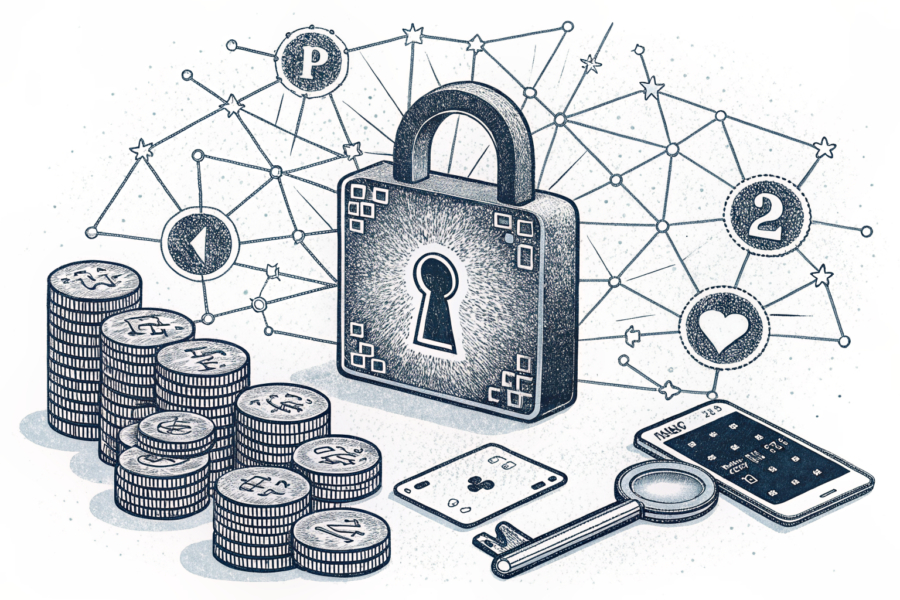
The research gauged public opinion ahead of the upcoming launch of regulated online gambling in Finland in 2027.
Finland.- A survey has revealed more insights into public sentiment surrounding the upcoming launch of an open market for online gambling in Finland. The results show mixed awareness of the upcoming reforms and division over the best way to deter players from unlicensed offerings.
The research, commissioned by the affiliate platform Turtlebet and carried out by Bilendi, was conducted in April 2026. A survey gathered views from 1,000 Finnish citizens aged 18 to 65, with people in the greater Helsinki region representing around 30 per cent of the sample pool.
The Police Board opened Finland’s online gambling licensing process on March 1 as the country prepares for the end of the long-standing monopoly of state-owned Veikkaus towards an open licensing system. New Finnish gambling regulations were recently outlined ahead of a market opening scheduled for July 1, 2027.
However, the survey found that public familiarity with the overhaul remains mixed. Only 67 per cent of Finns were found to be aware of the changes that are coming. There was a significant gender difference: 80 per cent of men said they were aware of the reforms, compared to just 54 per cent of women. As for age groups, 71 per cent of those aged 50–65 knew of the reforms but only 63 per cent of people aged 18 to 34.
The study also challenged industry assumptions about why players use unlicensed gambling platforms. Only 30 per cent of those surveyed cited superior bonuses and promotional campaigns as a factor. Some 41 per cent disagreed that offshore operators have the edge in this area.
As for potential countermeasures to deter the use of unlicensed, respondents expressed a preference for financial interventions over the blocking of websites. Some 32 per cent viewed blocks on financial transactions to unauthorised sites as the best solution, while 26 per cent believed boosting the competitive appeal of domestic licensed options was the best course of action.
Only 11 per cent felt that measures such as IP blocking would be the most successful answer. Some 43 per cent said a public blacklist of banned platforms would fail to stop determined gamblers from using unlicensed sites, while only 24 per cent believed it would be effective. Some 29 per cent were uncertain as to what would be the ideal strategy.