

Pennsylvania lawmakers introduce bill to regulate skill gaming machines
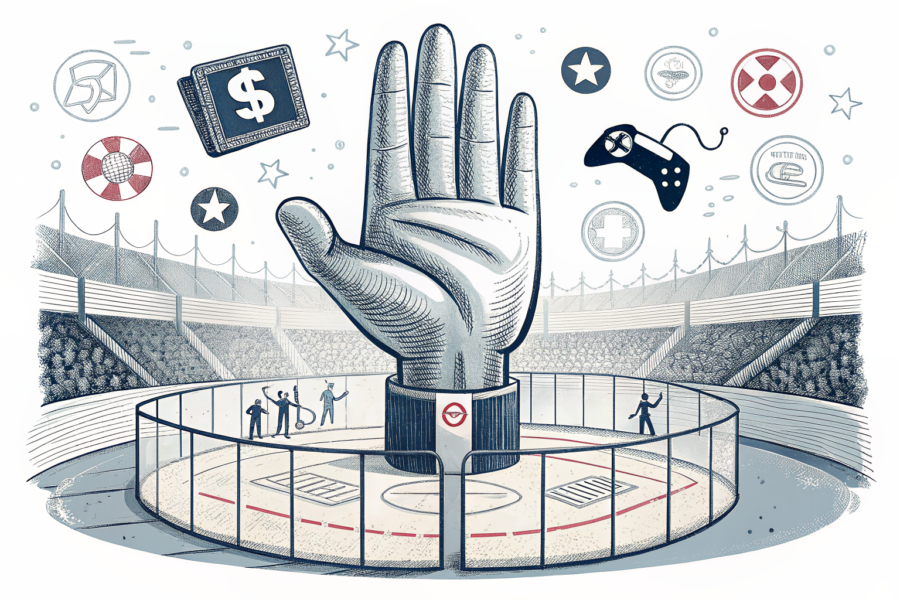
The proposal would introduce player identification requirements, loss limits, venue restrictions, and state oversight for skill-based gaming devices.
US.- Pennsylvania lawmakers have introduced a measure that would create a regulatory framework for skill gaming machines, which but have existed in a legal grey area in the state. House Bill 2557, currently under review by the House Gaming Oversight Committee, would not legalise such machines itself but sets out the requirements that would apply if lawmakers later approve their operation and taxation.
The measure aims to bring skill games under standards similar to those already applied to regulated gambling products. Among the key provisions is a requirement for player identification. Players would need to be aged 21 or over and would need to verify their identity using official documentation or an approved account system before being allowed to play.
The legislation would also introduce mandatory spending controls. Players would be required to set a daily loss limit before beginning a gaming session, with a maximum threshold of US$ 250. While users could lower that limit at any time, they would not be permitted to increase it during active play.
Machines would be required to incorporate pauses between rounds and mandatory breaks after extended periods of use. During those interruptions, players would receive information about the duration of their session and their total winnings or losses.
Venue restrictions and regulatory oversight
The bill would also limit where skill gaming machines can be located. Convenience stores and gas stations, two of the most common locations for the devices today, would no longer be eligible to host them. Instead, machines would be limited to liquor-licensed establishments or specially approved adult-only gaming areas. The legislation also proposes limits on the number of machines that each venue may operate.
Oversight would be the responsibility of the Pennsylvania Gaming Control Board (PGCB), which would monitor activity through a centralised system capable of tracking wagers and payouts in real time. The regulator would also have the authority to remove non-compliant machines and impose penalties on operators.
At least 3 per cent of future tax revenue generated by the devices would be allocated to problem gambling prevention and treatment programs. The bill would also allow researchers to access anonymised player data to support studies on gambling behaviour and the development of harm-reduction strategies.