



No European gambling tax proposed in draft EU 2028-2034 budget
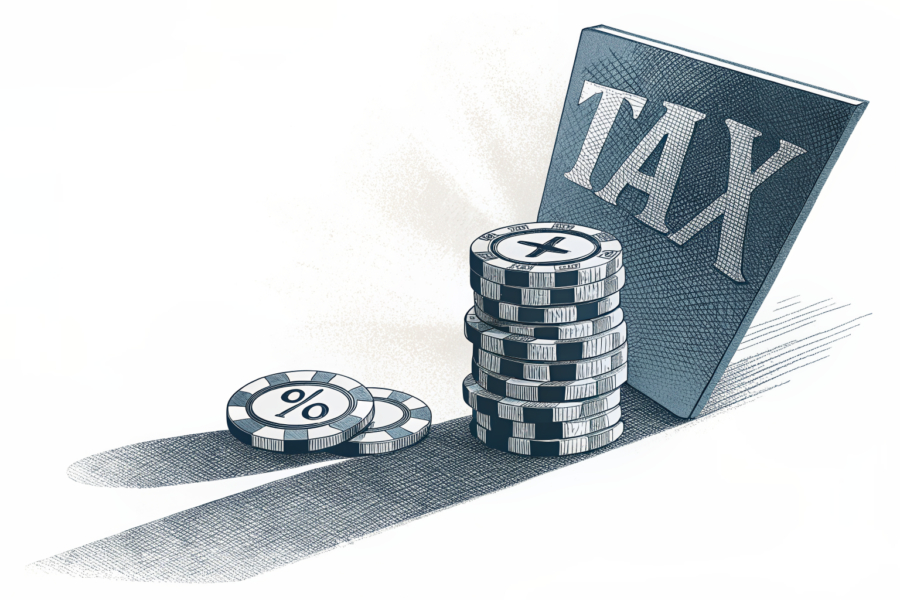
Ireland’s proposed negotiating document omits the proposal for a pan-EU online gambling tax.
Key takeaways:
- Ireland’s first draft of the EU’s 2028-2034 budget does not include the proposed 1 per cent EU-wide tax on licensed online gambling revenue, despite support for the measure from some members of the European Parliament.
- The gambling levy, championed by Romanian MEP Victor Negrescu and the Socialists and Democrats group, was projected to raise between €2bn and €4bn annually for initiatives related to education, mental health, addiction prevention and youth programmes.
- The draft budget includes several other proposed EU-wide revenue measures, including taxes linked to emissions trading, electronic waste, tobacco and carbon offsetting, which could collectively generate up to €55bn per year
Ireland.- The proposed European Union gambling tax is not mentioned in the initial negotiating draft for the EU’s 2028-2034 budget. Proponents had claimed that the measure could raise between €2bn and €4bn annually for initiatives related to education, mental health, addiction prevention and youth programmes.
Ireland, which assumed responsibility for steering negotiations on the bloc’s next long-term budget when it took up the EU presidency in July, aims to trim what was initially a €2trn seven-year package while maintaining a focus on defence, energy security, technological innovation and workforce re-skilling across the Union. The draft budget proposes a spending ceiling set at €1.62trn in constant 2025 prices, equivalent to roughly €1.85trn at current prices. The figures remain subject to further negotiations and do not constitute final commitments from the EU’s 27 member states.
The proposal includes some other EU-wide revenue measures, including taxes linked to emissions trading, electronic waste, tobacco and carbon offsetting, which could collectively generate up to €55bn per year. However, there is no mention of a review or implementation of the proposed common levy on online gambling revenues put forward by the Socialists and Democrats (S&D) group in the European Parliament and championed by Romanian MEP Victor Negrescu, a vice-president of the Parliament.
Negrescu’s proposal called for a 1 per cent tax on licensed online gambling revenues throughout the EU. Supporters argued that the measure could generate around €14bn over the course of the budget cycle, but there was swift pushback from gambling industry stakeholders and several member states. The European Gaming and Betting Association (EGBA) criticised the plan, while Malta’s government argued that gambling regulation and taxation should remain matters of national competence. The gambling sector remains a significant contributor to Malta’s economy, as it is in several other member states.
The draft preserves the Corporate Resource for Europe (CORE) proposal, which would require companies generating more than €100m in annual revenue to make a flat-rate contribution. The mechanism has been designed in part to help reduce debt accumulated during the Covid-19 period. For tobacco products, the proposal suggests member states contribute 15 per cent of an amount calculated using the volume of products released for consumption and the minimum duty rates applicable in each country.
Initial estimates suggest that the common revenue measures included in the draft, excluding gambling, could generate as much as €55bn per year for the EU budget.
Support for expanding EU-level revenue streams remains strong among senior European leaders, including European Commission President Ursula von der Leyen and European Council President António Costa, both of whom have argued that greater financial self-sufficiency should be a cornerstone of the bloc’s next budget cycle.
The current document is non-binding, and the final Multiannual Financial Framework will require unanimous approval from EU member states in the Council as well as the consent of the European Parliament before it can be adopted.
FAQs
Does the proposed EU draft budget for 2028-2034 include a European online gambling tax?
No, Ireland’s opening negotiating document for the 2028-2034 EU budget does not include the proposal to introduce a pan-EU online gambling tax.
How much money would a European online gambling tax raise?
Supporters of the measure estimate that a 1 per cent levy on licensed gambling revenues could generate €2bn to €4bn annually to support education, youth initiatives, mental health programmes, addiction prevention and the protection of minors.
Could an EU gambling tax still be introduced?
Yes. The current budget text is non-binding, and the European Parliament continues to support new EU revenue sources, including a gambling levy. The proposal could re-emerge during negotiations before the final Multiannual Financial Framework is approved by member states and the Parliament.