Maarten Haijer, WGBA: “Every safeguard designed by a regulator or licensed operator only works if people stay in the licensed market”
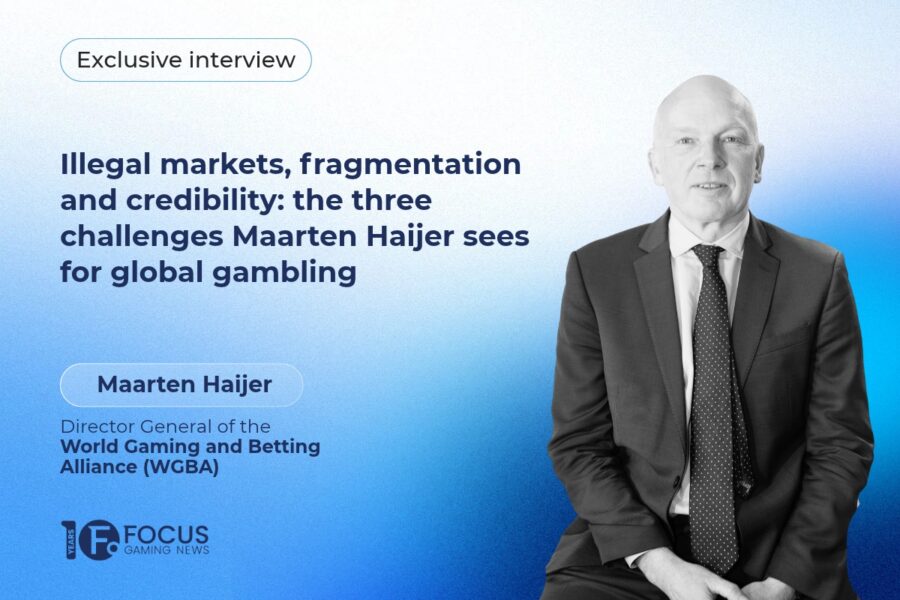
World Gaming and Betting Alliance director general Maarten Haijer says the new body will bring licensed-operator data to international policy debates and prioritise action against illegal gambling.
Key takeaways:
- Maarten Haijer, director general of the World Gaming and Betting Alliance (WGBA), says the organisation was created to bring operational data from licensed operators into international gambling policy discussions.
- He says WGBA will complement national and regional associations by connecting their market knowledge to the international level.
- WGBA’s immediate priority is the illegal gambling market, with further engagement planned in regions where regulation is developing quickly, including Latin America, Africa and Asia.
- Haijer says cooperation on website and advertising blocking, payment channels and cross-border enforcement can make the greatest difference against illegal operators.
- He argues that tax and regulatory frameworks should be assessed by how much gambling activity remains within the regulated market.
Exclusive interview.- As gambling regulation becomes an increasingly international issue, the challenges facing licensed operators are extending beyond national borders. Illegal gambling, fragmented regulatory frameworks and growing scrutiny of advertising restrictions and taxation are raising questions about how policymakers can protect consumers without undermining the competitiveness of regulated markets.
The newly established World Gaming and Betting Alliance (WGBA) aims to bring a global perspective to these debates by combining operational data from licensed operators with academic research, public health expertise and regulatory experience. Led by Maarten Haijer, who previously spent more than 13 years as secretary general of the European Gaming and Betting Association (EGBA), the organisation intends to complement existing national and regional associations by bringing their expertise into international policy discussions, with tackling illegal gambling among its immediate priorities.
In this exclusive interview with Focus Gaming News, Maarten Haijer, director general of the WGBA, explains the organisation’s objectives, the lessons learnt from his time at EGBA and the principles he believes should guide gambling regulation across different jurisdictions. He also examines how cross-border cooperation, payment restrictions and stronger enforcement can help combat illegal operators, while assessing the potential consequences of advertising bans and higher gambling taxes. Looking ahead, Haijer identifies illegal gambling, regulatory fragmentation and industry credibility as three of the most significant challenges facing the global sector over the next five years.
What gap in international gambling policy is WGBA being created to fill, and how will its work complement that of existing national and regional industry associations?
Gambling is increasingly being discussed at the international level and the main topics of discussion reappear across continents. Even if the debate is moving fast, it often lacks operational data on how consumers behave and how rules work in practice. It also rarely distinguishes licensed operators, which are accountable and must protect consumers, and illegal ones, which offer no protection at all. That distinction matters not only online, but obviously online illegal operators can cross borders easily, leaving consumers least protected.
WGBA exists to fill this gap. We bring data from licensed operators to sit alongside academic research, public health expertise and regulatory experience. National and regional associations remain the experts on their own markets. Our job is to connect what they know and bring it to the international level.
Having led the EGBA for over 13 years, which lessons do you think will be the most useful to you in your new role?
The first lesson is that protection follows the consumer. Every safeguard designed by a regulator or licensed operator only works if people stay in the licensed market. I have seen this in every jurisdiction, whatever its rules.
The second is that credibility rests on evidence that can withstand scrutiny, not on assertion. This means transparent data, open methodology, and acknowledging its limit.
The third one is that progress comes from dialogue. Regulators, researchers, public health experts and operators each see part of the picture, and better policy comes from bringing those perspectives together.
Which markets or regulatory developments will be your immediate priorities, and what will determine where WGBA focuses its resources?
WGBA’s immediate priority is the illegal gambling market, where consumers are least protected. Beyond that, WGBA will engage where international policy discussions on gambling take place, and in regions where regulation is developing quickly, including Latin America, Africa and Asia. Priorities will be set with members and reviewed as the policy landscape evolves.
“WGBA’s immediate priority is the illegal gambling market, where consumers are least protected.”
Maarten Haijer, director general of the WGBA.
What regulatory principles, if any, do you think should be applied across all gambling markets? And which decisions should be left to individual jurisdictions?
Every market has its own cultural and regulatory context, so there is no single model to copy and paste. Decisions on how to regulate gambling, and which protections to require, rightly sit with individual governments and regulators. Some principles, however, apply everywhere. Policy should be grounded in evidence and assessed against real-world outcomes. It should clearly distinguish between licensed operators, which are accountable and must protect consumers, and illegal ones, which offer no protection. And it should recognise that safeguards only work when consumers remain within the regulated market, which makes effective enforcement against illegal operators essential in every jurisdiction.
“Policy should be grounded in evidence and assessed against real-world outcomes.”
Maarten Haijer, director general of the WGBA.
Where could cooperation between regulators, law enforcement, payment providers and online platforms make the greatest practical difference in tackling illegal gambling, and what role can WGBA play?
Cooperation can make the biggest practical difference in two places: blocking access to and advertising for illegal websites and cutting off the payment channels illegal operators rely on. Experience shows that such enforcement works. In Denmark, blocking illegal gambling sites reduced Danish traffic to them by around a third within six months. But we also need to consider how to deal with those that knowingly or unknowingly facilitate illegal gambling by providing payment and advertising services. As illegal operators work across borders, cooperation between jurisdictions matters as much as cooperation within them. WGBA can contribute operational insight from licensed operators and help bring these actors together to share what works.
To what extent do you believe that prohibitions or severe restrictions on gambling advertising can unintentionally drive consumers towards illegal operators, particularly when licensed brands are unable to communicate their legal status and consumer protection measures?
The policy question is whether consumers can still tell licensed platforms from illegal ones, and evidence suggests many cannot. In the United States, more than 90 per cent of online bettors and casino players say legality matters when choosing where to play, but over 40 per cent find it difficult to identify legal platforms. Decisions on advertising are for governments and regulators, and responsible marketing standards matter. But advertising rules, like any rules, should be assessed against their effects, including whether consumers can recognise and choose the protected market. WGBA can contribute evidence to help answer that question.
Could significant increases in gambling taxes and other regulatory costs make licensed operators less competitive, thereby encouraging more consumers to use illegal platforms?
Licensed operators pay taxes and fund consumer protection. Illegal operators do neither. Every consumer who moves to an illegal site is both unprotected and lost to the tax base. Tax and regulatory frameworks should be assessed against how much activity stays in the regulated market. WGBA can contribute evidence to help show how consumers respond to changes in the licensed offer, so that governments can weigh that risk when setting policy.
Looking ahead, what are the three biggest challenges that you think the global gaming and betting industry will face over the next five years?
The first is the illegal market. Illegal operators offer no protection, pay no tax and operate across borders, which makes them harder to reach through national action alone. The second is fragmentation. Rules are changing at different speeds in different regions, and markets where regulation lags will see consumers drift offshore. The third is credibility. Gambling is now an international policy issue, and the licensed sector will only have a seat at the table if it brings data others can scrutinise and trust.
By Focus Gaming News Editorial Team