



New report raises concerns over unlicensed gambling in Slovakia
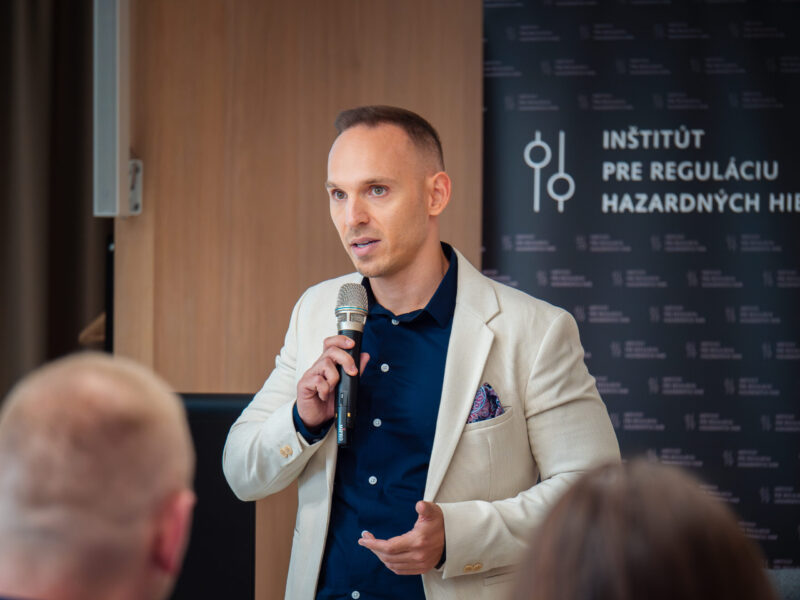
As many as 23.7 per cent of players admitted to gambling on unlicensed platforms.
Slovakia.- A detailed report published by the gambling research body, Inštitútu pre reguláciu hazardných hier, the Institute for the Regulation of Gambling (IPRHH), has raised concerns about the extent of unlicensed gambling in Slovakia. Described by the IPRHH as the first representative survey on illegal online gambling in Slovakia, the report was created in cooperation with the Institute of Sociology at the Slovak Academy of Sciences (SAV).
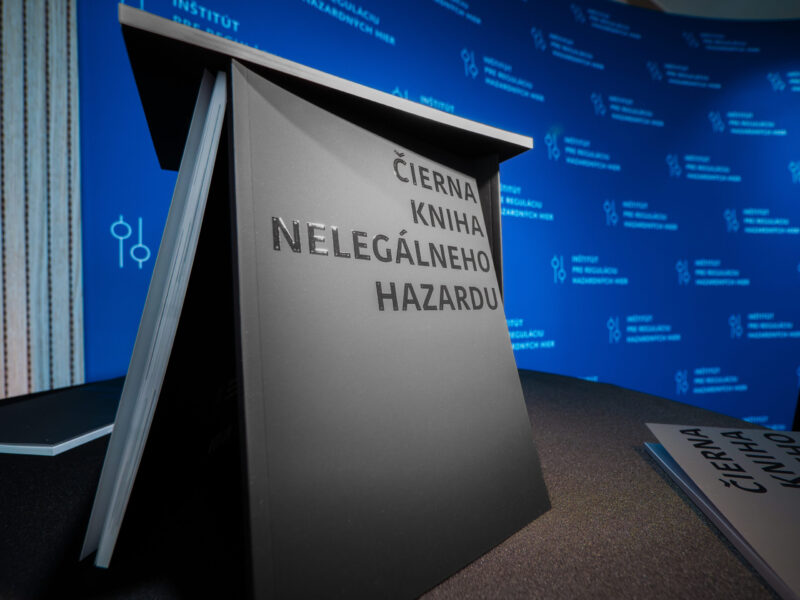
Entitled the Black Book on Illegal Gambling, the publication analyses mechanisms and consequences, and provides specific examples of players who have gambled with unlicensed operators. A key part of the publication is a representative survey conducted on a sample of 2,000 respondents aged 18 to 75. The research found that in 12 months, up to 28.2 per cent of the adult population had experience with online gambling, which represents approximately 1.24 million Slovaks.
As many as 23.7 per cent of players admitted to gambling on unlicensed platforms, which is approximately 296,000 inhabitants Another 24.1 per cent of players were unable to assess whether their operator had a Slovak licence, bringing the total number of people potentially playing on illegal sites to over half a million.
Respondents also gave reasons why they prefer illegal operators. The most common reasons were higher bonuses (32.5 per cent), better odds (29.5 per cent), easier and faster registration (29.1 per cent), a larger selection of games (27.4 per cent), and higher jackpots (27 per cent). Only 42.2 per cent of players check whether the operator they are playing with has a Slovak licence.
The average monthly amount wagered by players on illegal sites is around €85, while the total annual turnover in illegal online gambling may exceed €300m, according to the study. When taking into account players who cannot distinguish between legal and illegal operators, this volume increases to €600m per year.
The survey also pointed to an inability to distinguish between online advertising for licensed and unlicensed gambling. As many as 43.2 per cent of players were unable to assess whether an online advertisement promotes an operator with a valid license or without one. At the same time, 17.5 per cent thought advertisements for unlicensed operators were more common than for licensed ones.
The publication also raises concerns about the risks of illegal gambling for minors via loot boxes – paid virtual packages in popular games – and exposure to frequent and aggressive promotion of gambling by streamers and influencers. The study suggests that illegal gambling operators do not verify the age of players, allowing access to minors.
Recommendations from the IPRHH
The publication provides a detailed set of recommendations. The main measures include introducing an obligation for banks and payment gateways to block payments directed to illegal gambling operators and more effective blocking of illegal websites, including faster administrative processes.
The report also recommends strengthening the powers of regulatory authorities and simplifying the process of administrative and criminal sanctions against entities operating or promoting illegal gambling. It calls for the elimination of unreasonable bank fees for deposits into legal gaming accounts to increase the competitiveness of the legal market.
It also makes some tech recommendations, including the use of artificial intelligence to search for advertising and content associated with illegal gambling, and the thorough monitoring of social networks, streaming platforms and mobile applications to identify illegal activities.
It also calls for a “Markers of Harm” system for rapid detection of risky player behaviour and cooperation with technology platforms like Google and Apple to remove applications and content promoting illegal gambling.
In April, Jana Mravíková took the helm as director general of the Slovakian Gambling Regulatory Authority (ÚRHH), stepping into the role vacated by Martin Bohoš. The change in leadership followed the presentation of the regulator’s 2024 annual report, in which Bohoš expressed the need for regulatory changes to respond to the growth of online gambling and illegal offerings.
As noted in our interview with Bohoš in the final weeks of his tenure, online gambling has grown considerably in Slovakia, as it has in the rest of Europe. Bohoš stressed that although online casino growth had boosted state revenues, it also presented challenges and required the ÚRHH to enhance self-exclusion controls and supervision of intervention with vulnerable consumers. He also highlighted concerns about unlicensed gambling – the ÚRHH added 89 platforms to its blacklist in 2024, bringing the total list of blocked platforms to over 820.