NCAA becomes first sports body to join Bad Actor Program
The programme will monitor NCAA Championships for threats and harassment, and offenders could face measures including betting platform bans.
Key takeaways
- The NCAA is the first sports governing body to publicly join the Bad Actor Program, which targets online abuse of student-athletes, coaches and officials.
- IC360 and Signify Group established the programme, with Fanatics Sportsbook as its first sportsbook partner.
- It combines social media monitoring with investigative capabilities to identify offenders, who can face measures including bans from betting platforms.
- NCAA monitoring since 2023 has identified more than 5,000 verified abusive posts, with sports betting linked to 12 per cent of incidents and 19 per cent in men’s basketball.
- The NCAA’s 2025 GOALS study found 46 per cent of Division I men’s basketball student-athletes had received negative or threatening messages from someone who had bet on their game.
US.- The NCAA has joined the Bad Actor Program, becoming the first sports governing body to participate in the initiative to identify and address online abuse against student-athletes, coaches and officials. The association will work with Signify, Integrity Compliance 360 (IC360) and other stakeholders to monitor activity across NCAA Championships and report individuals responsible for threats, harassment and abusive behaviour.
The programme combines social media monitoring with investigative capabilities to identify people behind online abuse. Participating organisations can use the information gathered to support accountability measures, including banning offenders from betting platforms.
IC360 and Signify Group established the initiative, with Fanatics Sportsbook as the first sportsbook partner. The NCAA’s participation expands the programme’s reach beyond operators and into college sports governance.
“Athlete harassment has no place in college sports,” NCAA President Charlie Baker said. He added that the association was working with stakeholders across the sports betting sector to address abuse and increase accountability for those targeting sports participants.
A study of more than 5,000 verified abusive, discriminatory or threatening social media posts found sports betting linked to 12 per cent of the incidents, rising to 19 per cent in men’s basketball. The research also found that 80 per cent of the verified abuse targeted March Madness participants. Women’s basketball student-athletes received approximately three times as many threats as their male counterparts.
More recent figures from the NCAA’s 2025 GOALS study point to the continued scale of the problem. Among Division I men’s basketball student-athletes, 51 per cent reported receiving social media abuse related to their athletic performance, while 46 per cent said they had received negative or threatening messages from someone who had bet on their game.
NCAA Managing Director of Enterprise Risk Management Clint Hangebrauck said: “Online harassment monitoring and student-athlete surveys have provided crucial data on the volume, nature and sources of online abuse, particularly harassment tied to sports betting activity, and have supported reporting and enforcement actions when threatening conduct has been identified. The Association will continue its work with Signify and other stakeholders to monitor online harassment across NCAA Championships, and we look forward to leveraging the Bad Actor Program to strengthen accountability and further protect college sports from threats and abuse.”
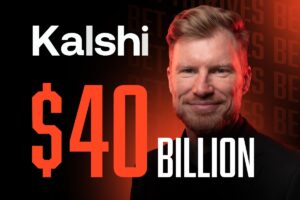
The NCAA has recently disciplined two Mississippi State athletes for violating its sports betting rules after an investigation found that both had placed wagers on professional sports events. ProhiBet reported that an athlete had placed a US$50 bet on the Super Bowl between the Seattle Seahawks and New England Patriots through prediction market platform Kalshi while another athlete was flagged by ProhiBet on February 15 after placing wagers on the NBA All-Star Game, also through Kalshi. He met with the university’s compliance staff two days later and admitted to making two US$10 bets. Because the wagers won, the athlete was required to pay US$66.47 to a charity and complete additional rules education.
Frequently asked questions (FAQs)
- What is the Bad Actor Program? It is an initiative established by IC360 and Signify Group to identify and address online abuse against student-athletes, coaches and officials. Fanatics Sportsbook was its first sportsbook partner, and the NCAA is now the first sports governing body to participate publicly.
- How does the Bad Actor Program identify people behind online abuse? It combines social media monitoring with investigative capabilities to identify the people responsible. Participating organisations can use the information to support accountability measures, including banning offenders from betting platforms.
- How much online abuse of college athletes is linked to sports betting? Sports betting was linked to 12 per cent of the verified incidents in the NCAA’s monitoring, rising to 19 per cent in men’s basketball. Separately, 46 per cent of Division I men’s basketball student-athletes in the 2025 GOALS study reported negative or threatening messages from bettors.