


European regulators and Google target illegal gambling ads

A planned whitelist system could help licensed operators gain visibility while restricting black-market advertising across multiple markets.
Key takeaways
- European gambling regulators have reached a preliminary agreement with Google to tackle illegal gambling advertising.
- The proposed system would use regulatory whitelists of licensed gambling operators supplied by national regulators.
- Google would use those lists to reduce the visibility of unlicensed gambling operators in search and advertising placements.
- The framework would also cover gambling affiliates, allowing regulators to identify affiliates promoting unlicensed operators.
- Participants hope to have a working system in place by the summer of 2027, with regulators viewing it as a potentially important new anti-black-market tool.
European gambling regulators and Google have agreed to develop a whitelist-based system designed to reduce the online visibility of illegal gambling operators. The initiative, discussed through the Gambling Regulators European Forum (GREF), could create a new enforcement mechanism that helps direct consumers towards licensed operators while limiting the reach of unlicensed gambling businesses across regulated European markets.
UK.- European gambling regulators have reached a preliminary agreement with Google aimed at reducing the visibility of illegal gambling advertising, marking one of the most significant collaborations to date between regulators and a major technology platform in the fight against black-market operators. The collaborative Gambling Regulators European Forum (GREF) met with Google officials at the company’s London offices last week to discuss new measures designed to protect consumers from unlicensed gambling services.
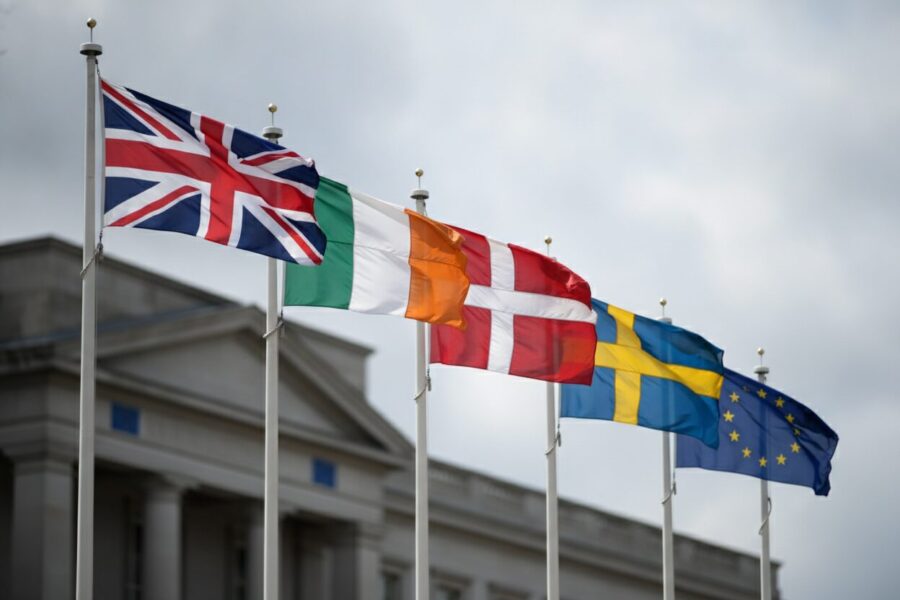
The meeting was attended by representatives from the British Gambling Commission and the Dutch gambling regulator, Kansspelautoriteit (KSA), both of which have been critical of tech companies’ failure to act on unlicensed gambling ads. Representatives from the new Gambling Regulatory Authority of Ireland and from Denmark’s Spillemyndigheden also attended. From Google’s side, representatives from London, San Francisco, New York, Singapore and Dublin were present.
The discussions resulted in agreement on the development of regulatory “whitelists” for licensed gambling operators. Under the proposed system, regulators would provide Google with information on operators authorised to offer gambling services in their respective jurisdictions. Google would then use those lists to prevent unlicensed gambling businesses and related entities from appearing in search results and advertising placements.
The proposed framework would also extend scrutiny to gambling affiliates. Licensed operators would be able to identify the affiliate partners they work with, allowing regulators and Google to cross-reference those businesses and determine whether they are promoting authorised operators or directing traffic to unlicensed sites.
Affiliates found to be supporting black-market operators could potentially be removed from the approved system.
The initiative is expected to be developed over the coming months, with participants reportedly optimistic that a working system could be in place by the summer of 2027.
KSA chairman Michael Groothuizen described the discussions as a significant step forward in relations between regulators and major technology companies. “I have written before that big tech earns a lot of money from advertisements by illegal gambling providers and that their interests are often diametrically opposed to ours,” Groothuizen said. “That makes this offer to act jointly remarkable.”
The initiative comes amid growing regulatory pressure on technology companies across Europe to do more to prevent illegal gambling advertising. Regulators argue that search engines, social media platforms and digital advertising networks play a critical role in directing consumers to unlicensed operators. If successfully implemented, the whitelist system could provide regulators with a new tool to limit the reach of black-market gambling businesses while improving the online visibility of licensed operators in regulated European markets.
However, real progress would require a similar agreement with other platforms, including Meta, which has been singled out for criticism from regulators in recent years. The Dutch gambling industry association VNLOK is taking legal action against Meta, arguing that the company has failed to prevent advertising from unlicensed gambling operators reaching Dutch consumers.
While welcoming the progress and Google’s willingness to cooperate as an important breakthrough, Groothuizen cautioned that regulators remain realistic about the challenges involved in working with large technology platforms.
“They may not be permanent allies, but on this point we stand on the same side, and you can imagine worse partners,” he said. “This is just one of the ‘big tech players’, but it still offers some hope that we, on a path of good dialogue, based on arguments and with broad European pressure, can take helpful steps.
“Whether we can get as far with Meta, TikTok or Discord remains to be seen. My premise from last time stands: if agreements yield insufficient results, we will not hesitate to enter the fray.”
FAQs
What is the proposed gambling whitelist system?
The system would allow regulators to provide Google with lists of licensed gambling operators. Google could then use those lists to help prevent unlicensed operators from appearing in gambling-related advertising and search placements.
Which regulators are involved in the initiative?
Representatives from the UK Gambling Commission, the Dutch regulator KSA, Ireland’s Gambling Regulatory Authority and Denmark’s Spillemyndigheden participated in discussions with Google through GREF.
How would gambling affiliates be affected?
Licensed operators would identify their approved affiliates, allowing regulators and Google to check whether those affiliates are promoting licensed businesses or directing consumers to unlicensed operators.
When could the system be launched?
Participants are aiming to develop the framework over the coming months, with a potential rollout targeted for the summer of 2027.
Will the agreement cover platforms other than Google?
Not currently. However, regulators have indicated that similar cooperation from platforms such as Meta, TikTok and Discord would be needed to broaden the impact of efforts against illegal gambling advertising