



Monika Zlateva, CT Interactive: “Commercial success comes from understanding what players value and delivering experiences that keep them coming back”
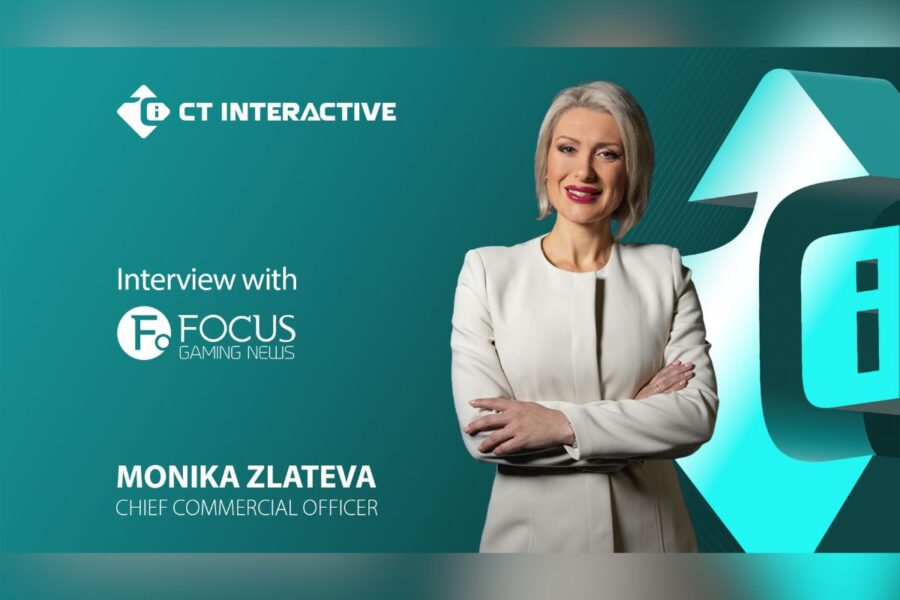

Monika Zlateva, Chief Commercial Officer at CT Interactive, explores the commercial strategies and market dynamics that lead to success in igaming.
Exclusive interview.- In the fast-moving igaming industry, commercial success is driven by far more than engaging gameplay and impressive visuals. In this Focus Gaming interview, Monika Zlateva, chief commercial officer at CT Interactive, shares her insights on what truly determines game performance in today’s competitive market—from player expectations and monetisation strategies to regional differences between Europe and LatAm, operator priorities, content partnerships, and the evolving role of bonus mechanics. Under the theme “Commercial Strategy & Market Dynamics: What Sells and Why,” she also explores the key trends expected to shape the future of the industry and influence what sells—and why.
Why do some visually impressive games still fail to perform commercially?
Visually impressive games can still fail to perform commercially because graphics alone are rarely enough to sustain long-term player engagement. While striking visuals may attract players initially, lasting success depends on a much broader set of factors, including gameplay mechanics, volatility, reward frequency, user experience, mobile performance, loading speed, and how well the game aligns with player preferences.
Another critical factor is the effective use of data. The most successful studios combine creativity with analytics, continuously testing and optimising features based on real player engagement. This enables them to better understand player behaviour and refine the overall experience accordingly.
As a result, the biggest commercial successes are typically not the games with the most advanced graphics, but those that strike the right balance between entertainment, accessibility, performance, and player engagement. Ultimately, commercial success comes from understanding what players value and delivering experiences that keep them coming back.
What are the real factors that drive strong game monetisation in today’s market?
Strong game monetisation today is driven by a combination of player retention, personalisation, data intelligence, mobile optimisation, and engaging game mechanics. The most successful games are those that keep players engaged over time, deliver relevant and personalised experiences, and leverage data to continuously optimise performance. Ultimately, effective monetisation is a result of creating value for players while maintaining a seamless and enjoyable gaming experience.
Have player expectations changed significantly in recent years, and how should suppliers adapt?
Yes, player expectations have changed significantly in recent years. Influenced by their experiences with streaming platforms, social media, mobile apps, and modern gaming, players now expect fresh content, continuous innovation, and highly personalised experiences.
To meet these expectations, suppliers need to focus on delivering relevant content, ensuring a seamless user experience across devices and channels, and leveraging data and AI to better understand player behaviour and optimise experiences in real time. Localisation is equally important, as player preferences can vary considerably across different markets and demographics.
How different are player behaviours and commercial strategies between LatAm and Europe?
Player behaviours and commercial strategies differ significantly between LatAm and Europe due to variations in market maturity, consumer preferences, and regulatory environments.
Europe is a more mature and highly competitive market, where players tend to be more experienced and place greater emphasis on product quality, brand trust, and seamless user experiences. In contrast, LatAm is a high-growth region driven by younger demographics, rapid digital adoption, and expanding market opportunities.
While mobile gaming is important in both regions, it often serves as the primary access channel in LatAm. As a result, localisation is particularly critical, encompassing language, payment methods, cultural preferences, sports interests, and promotional strategies. Sports betting, especially football, plays a major role in player engagement across LatAm, creating strong opportunities for cross-selling between sportsbook and casino products.
Given these differences, successful commercial strategies must be market-specific. Payment solutions, marketing approaches, and acquisition tactics need to be tailored to local player behaviours, while data-driven segmentation remains essential for maximising engagement and long-term value.
Are operators becoming more focused on short-term performance or long-term player retention?
While short-term performance remains an important focus, leading operators increasingly recognise that long-term player retention, loyalty, and lifetime value are the true drivers of sustainable commercial success. As player acquisition costs continue to rise, retention has become a more effective and sustainable growth strategy.
The industry is gradually shifting from a purely acquisition-focused approach towards building lasting player relationships through personalised experiences, ongoing engagement, and responsible player management. Ultimately, operators that successfully balance short-term performance with long-term retention are best positioned for sustained growth.
Do bonus mechanics still drive value, or are they starting to damage long-term revenue potential?
Bonus mechanics continue to drive value, but their role is evolving. Players still respond positively to meaningful, well-designed rewards, particularly when they enhance the overall gaming experience rather than simply serving as promotional incentives.
However, long-term revenue growth cannot rely on bonuses alone. The most successful operators combine targeted rewards with high-quality products, personalised experiences, and strong player engagement strategies. When used strategically, bonuses can support retention and loyalty, but sustainable success comes from delivering ongoing value that keeps players engaged over time.
“The most successful operators combine targeted rewards with high-quality products, personalised experiences, and strong player engagement strategies.”
Monika Zlateva, chief commercial officer at CT Interactive.
In your experience, what do operators truly prioritise when choosing content partnerships?
Operators ultimately prioritise content that drives player engagement, retention, and revenue. However, when selecting content partnerships, they evaluate a much broader set of factors.
Content differentiation is increasingly importantt, helping operators stand out in a highly competitive market where exclusive titles and pre-releases have become industry standards. Speed to market, operational efficiency, mobile performance, and seamless cross-platform experiences are also key considerations. In addition, operators look for partners that can scale, continuously innovate, and maintain the highest standards of regulatory compliance and responsible gaming.
Ultimately, the suppliers that create the most value are those that act as strategic partners rather than simply content providers, supporting operators in achieving their long-term commercial objectives.
Which commercial and player trends do you expect to have the biggest impact on the industry in the coming years?
I expect several key trends to have a significant impact on the industry in the coming years, particularly the growing use of AI, advanced personalisation, and retention-focused strategies. As competition intensifies, operators and suppliers will increasingly focus on delivering highly relevant and engaging experiences tailored to individual player preferences.
At the same time, responsible gaming innovation will become an even greater priority, supported by technology that helps create safer and more sustainable player journeys. The ability to effectively leverage data and transform insights into personalised experiences at scale will be a major competitive advantage for companies looking to drive long-term growth and player loyalty.
By Focus Gaming News Editorial Team