

Illinois Gaming Board adopts new gambling advertising rules
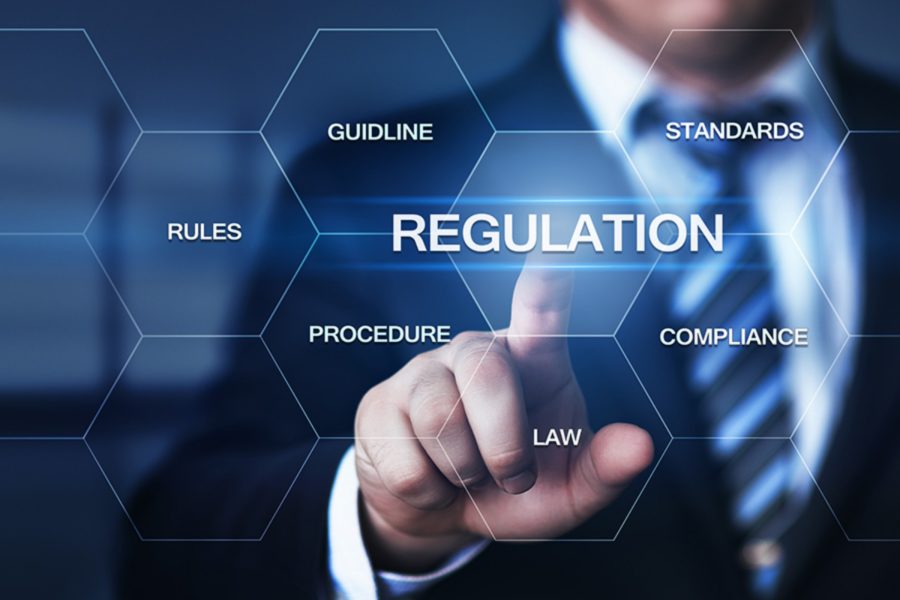
The state has banned gambling advertising on college campuses.
US.- The Illinois Gaming Board (IGB) has updated its marketing and advertising standards for licensed casino, video gaming, and sports betting operators. New requirements are intended to protect the public, especially young people and those with gambling problems.
As of August 1, there is a ban on gambling advertising on college campuses, in school-affiliated newspapers and media, or at sporting venues that primarily host college events. Operators are prohibited from depicting students or names, logos, or college or university settings in any marketing materials. They are now required to keep record of all marketing and promotional activities, and all materials must include problem gambling language as defined by the Illinois Department of Human Services.
Operators must also give users an option to unsubscribe from marketing communications, and gambling companies cannot enter into marketing agreements with third-party advertisers whose compensation depends on the volume or outcome of wagers.
IGB administrator Marcus Fruchter said: “By adopting these measures, the IGB is building upon existing regulations to implement additional safeguards and standards that further protect the public and encourage responsible gambling habits. These regulations provide for clear, consistent, ethical, and transparent advertising and marketing guidelines for all casino, video gaming, and sports wagering operations under IGB jurisdiction.”
Illinois passes state budget with new sports betting fees
Illinois lawmakers recently passed the state’s budget proposal, including new fees for the taxation of sports wagering. Governor Jay Robert Pritzker has indicated that he will sign the proposed fiscal plan into law.
Sportsbooks in Illinois will be charged $0.25 for each of the first 20,000 online bets they take annually. Beyond that threshold, the fee doubles to $0.50 per bet. The new fee is expected to bring in $36m annually to the state.