German gambling self-exclusion programme sees sharp rise in registrations
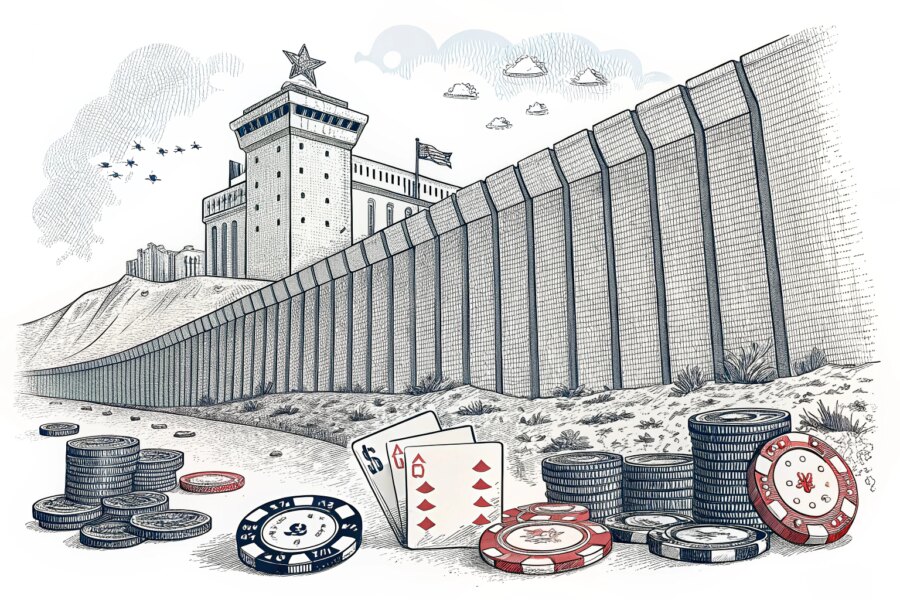

The OASIS self-exclusion programme saw registrations rise after it shifted to a fully digital process.
Germany.- The Regional Council of Darmstadt has published its annual report on Germany’s OASIS gambling self-exclusion programme. It revealed that the system processed more than 5.2bn queries in 2025, representing individual verifications carried out by licensed operators against the database to ensure excluded players cannot participate.
The register currently lists around 367,000 active bans, drawing data from roughly 9,000 operators and 41,000 gambling venues, including casinos, arcades, betting shops, and online platforms. Some 60,000 new exclusion requests were processed in 2025, not including those that were rejected due to incomplete documentation.
Officials attributed the rise in applications to a move to a fully digital, paperless system for handling exclusions and reinstatements in 2024. This was developed in cooperation with the federal gambling regulator, Gemeinsame Glücksspielbehörde der Länder (GGL).
The Darmstadt Council oversees Germany’s central gambling exclusion register, which was created under the Fourth Interstate Gambling Treaty (GluNeuRStV). By law, all gambling operators, whether online or land-based, must confirm a customer’s status against the register before allowing them to gamble.
Under the federal framework, individuals struggling with gambling addiction can request self-exclusion directly, while operators and third parties can also initiate bans. The Council emphasised that it will continue refining monitoring standards and safeguards to ensure OASIS remains “a robust instrument for player protection and addiction prevention.”
The authority said the latest figures underline the “significance and scale of the OASIS system in safeguarding German gambling’s compliance infrastructure.”
Darmstadt will play a role in the ongoing review of Germany’s gambling legislation, which coincides with the fifth anniversary of the launch of regulated online gambling in July 2021. The review is expected to address structural weaknesses that have resulted in a low channelisation rate amid €1,000 per month deposit restrictions and a €1 stake limit for online slots, although the GGL said the main focus of the review will be on advertising regulations.