

Gambling operators call for answers after German sports betting black out
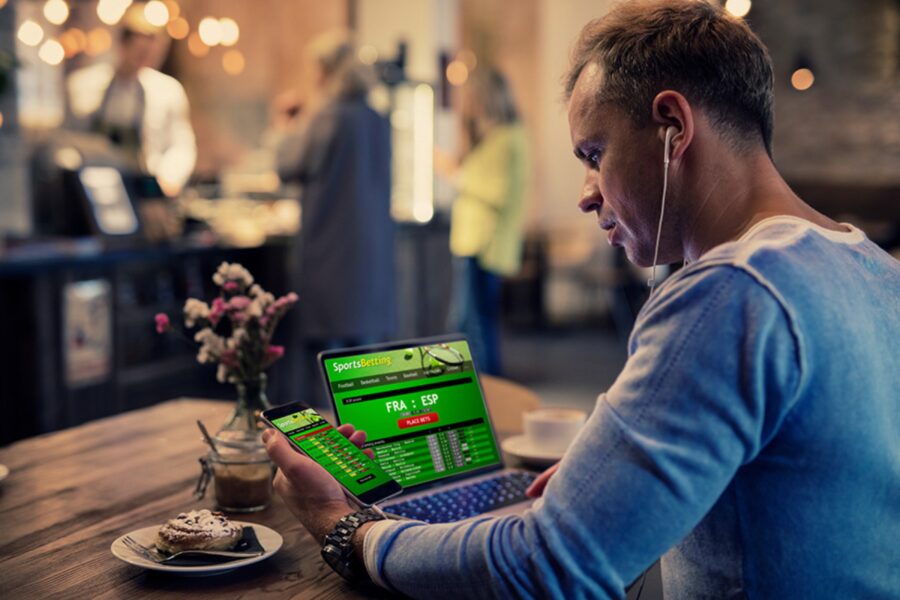

An industry body has called for the GGL to offer 24/7 support in the wake of the outage.
German.- Gambling operators want answers from the German gambling regulator, Gemeinsame Glücksspielbehörde der Länder (GGL) after they were hit by a 10-hour outage on Saturday. Due to a technical failure, customers were unable to make deposits with any licensed operator. Only players that already had funds in their accounts could place bets.
The issue was caused by a failure of the Germany Interstate Gambling Evaluation System, LUGAS, which is used to collect data from operators to ensure compliance with deposit limits and other requirements. The trade body DSWV raised concerns that players could may have resorted to the black market because of being unable to make deposits. It’s called for an investigation into the incident and has urged the GGL to consider providing 24/7 customer support for gambling operators through its IT partner Dataport.
DSWV president Mathias Dahms said: “This is not just about considerable economic damage. If legal sports betting offers cannot be used by customers from Germany on a Bundesliga Saturday, the illegal betting providers, who are very happy to accept new customers and deposits, will benefit first and foremost. There is no player protection in the black market. The German tax authorities are also left empty-handed.”
The GGL says it contacted Dataport as soon as it was informed of the outage and that the cause is being investigated.
GGL calls for power to block illegal gambling ads

This occurred just days after the German gambling regulator recognised that more needs to be done to tackle the black market in the country. At trade body DAW‘s Berlin congress, chairman Ronald Benter said a wide range of tools were need included the ability to block illegal gambling ads based on IP addresses.
The GGL has already asked the government for such a measure and is waiting for the approval of an expansion of Section 284 in the Criminal Code to allow it to file criminal charges with the public prosecutor’s office against illegal operators based abroad. Benter also highlighted the regulator’s success last year in winning a legal order to require Google to show only advertisements from licensed gambling providers in Germany.
The GGL is also investigating how the advertising of legal gambling offerings could be improved without increasing risk for vulnerable groups. It has commissioned a study that should be reported in December.
The German gambling market has been in the media spotlight this month after it was reported that a lack of supervision was allowing German consumers to evade the country’s $1,000 deposit limit for online gambling. The site Investigate Europe claims that players evade the limit by gambling with different operators.
It also alleged that German states had reached a “secret agreement” to allow online gambling operators to bypass proper financial checks by using a simple credit check via the Schufa platform, known as a Shufa-G query, instead. The DSWV denied the claims and accused the publication of “unfounded scandalisation”.
By Focus Gaming News Editorial Team