



EU gambling tax ambitions increase
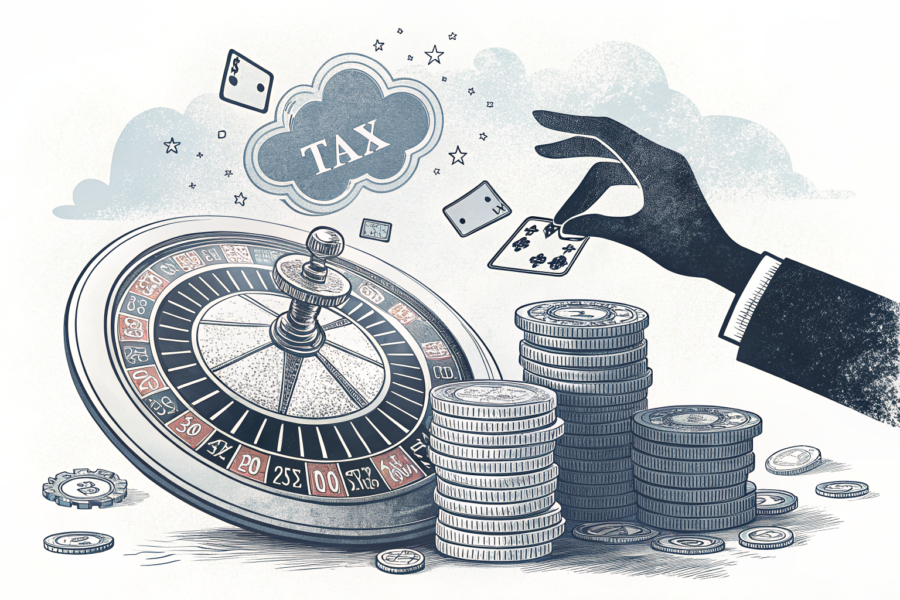
The EC estimates that a pan-European gambling tax could raise €13.3bn over the EU’s next seven-year budget cycle.
Belgium.- While the prospect of a EU gambling tax covering the entire bloc might still seem like a remote prospect, the European Commission appears to be upping the potential ambition of such a move. A report on new revenue-raising options reportedly shared with governments and lawmakers this week suggested that an EU-wide tax on online gambling could raise €13.3bn over the EU’s next seven-year budget cycle, from 2028 to 2034.
The proposal comes as Brussels struggles to reach an agreement on how to finance the EU’s €2tn common cash pot, which includes repayments on the bloc’s post-pandemic borrowing programme. The EC is also considering levies on crypto firms and a digital services tax, which it believes might yield €20bn and €35bn, respectively. However, officials acknowledge that the plans face resistance.
According to several media outlets that say they have seen the document, including Politico and Euronews, the EC estimates that a 3 per cent levy on the net turnover of online gambling operators could generate around €1.9bn a year. The proposal introduced in February by Romanian MEP Victor Negrescu, vice president of the European Parliament and a member of the Budget Committee, proposed a 1 per cent charge.
The concept of an EU Gambling Tax has drawn tentative support from several countries but is likely to meet fierce opposition from the major igaming hub of Malta. The document also recognises that definitions of gambling vary across the EU, raising doubts about whether such a tax could be implemented uniformly across all member states.
The European Gaming and Betting Association (EGBA) has previously argued that an EU-wide gambling levy would be unworkable.
Meanwhile, the proposed digital services tax would be modelled on existing schemes in France, Spain and Italy, with a 3 per cent charge on revenues from advertising, intermediation and user data monetisation applied to firms with global turnover above €750m. Mainly affecting large US companies like Amazon and Google, it’s estimated that this could raise €5bn per year but is likely to raise concerns about possible retaliation from the US.
The most uncertain projections concern crypto assets. A 0.1 per cent tax on transaction values could bring in €3bn to €4bn annually, the EC thinks, while a capital gains tax might add €1–2.4bn, but the Commission cautions that “the revenue potential of crypto taxes is hard to estimate due to the lack of data.”
Cyprus, which currently holds the Council presidency, is expected to present revised budget figures and spending allocations on around June 10. Any new EU tax requires unanimous approval among the bloc’s 27 governments, a hurdle that has already sunk most of the Commission’s earlier proposals, with the exception of the carbon border levy (CBAM).