



Dutch gambling regulator updates guidance on means testing
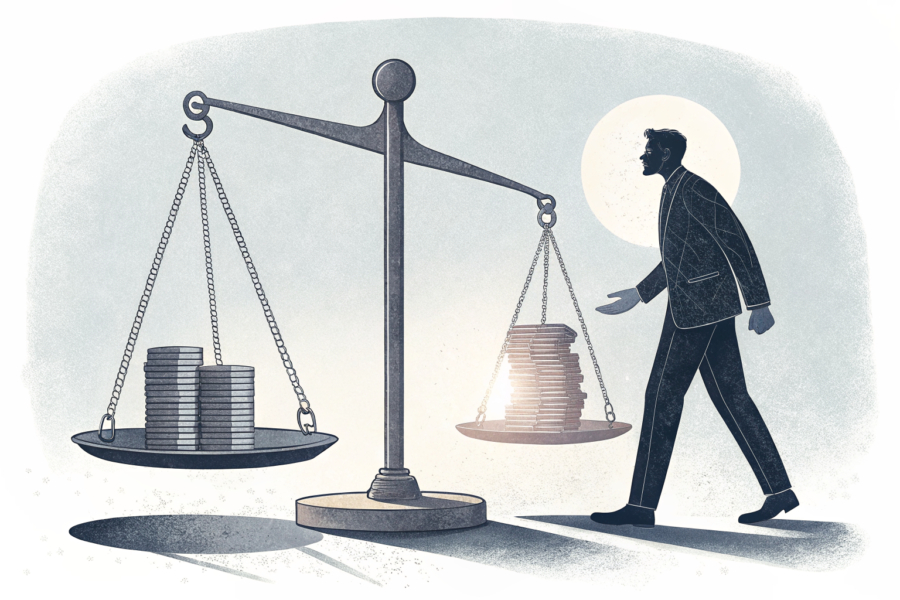
Meanwhile, the KSA’s chair wants some people to be automatically excluded from gambling.
The Netherlands.- The Dutch gambling regulator Kansspelautoriteit (KSA) has updated its guidance on how online gambling operators should apply the financial means test. It says the changes were made following new research into industry practices.
Since October 2024, operators have been required to conduct a test when players attempt to deposit more than €300 net for young adults (18–24) or €700 for those aged 24 and over. The measure is designed to prevent customers from gambling beyond their financial means.
In February 2025, the KSA first published examples of good and bad practices in applying the test. A subsequent review involved sample checks at 20 licensed operators, assessing how the rules were being implemented.
The regulator reported that many providers had improved their procedures, but shortcomings remained. As a result, the KSA issued ten improvement interviews, three warnings, and one binding instruction.
Clarifications for Dutch gambling operators
The updated guidance aims to remove confusion and provide greater clarity. Notably, the KSA has confirmed that liquid assets such as savings cannot be included in the test. Instead, assessments must be based on a player’s structural income. The regulator acknowledged that earlier explanations had led to inconsistent application among operators.
The KSA stressed that proper enforcement of the means test is central to protecting vulnerable players. By ensuring deposits align with financial capacity, the regulator hopes to reduce the risk of gambling-related harm.
Supervision will continue, with the KSA planning further sample checks to ensure compliance with the revised good and bad practices.