British study focuses on impact of gambling on loved ones
The Gambling Commission found that 63 per cent of “affected others” also gambled themselves in the past year.
UK.- A new study commissioned by the British Gambling Commission has shed light on the often-overlooked impact of gambling on those closest to the gambler. The report on the findings emphasises that harms often ripple far beyond the individual placing bets.
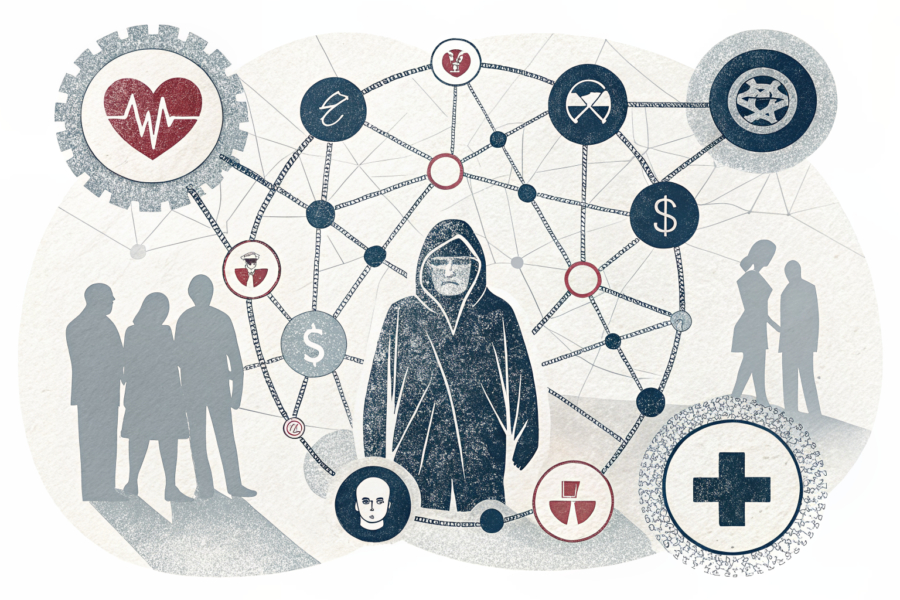
The qualitative study, conducted by Humankind Research and funded through the new statutory UK gambling levy, found health, relationship, and financial harms experienced by “affected others” to be deeply interconnected, often compounding one another. Partners of gamblers reported the most wide-ranging and ongoing harm, while parents, adult children, siblings, friends, and colleagues described more specific consequences.
One striking finding is that 63 per cent of affected others had also gambled themselves in the past year, highlighting a complex dynamic where gambling can serve as both a social bond and a source of guilt or confusion about responsibility for harm. Researchers stressed that this area requires further exploration.
Embedding lived experience from the Gambling Commission LEAP
The Gambling Commission says that to ensure sensitivity and ethical rigor, it involved its Lived Experience Advisory Panel (LEAP) in the research. LEAP members helped recruit participants who had faced severe consequences from someone else’s gambling but were already connected to support services.
Humankind Research emphasised the importance of this approach: “Lived experience brings a depth of understanding that no amount of secondary research can replicate,” it said… “Having LEAP involved throughout enabled us to approach the work with a level of sensitivity and understanding that’s hard to achieve any other way.”
LEAP members reflected on the personal toll of gambling harm. One described decades of compulsive gambling that caused “upset, distress, confusion, sadness, anger” for their family. Another highlighted how lived experience in recruitment “can help break down barriers and create trust, particularly when discussing something as sensitive as gambling harm.”
The Gambling Commission has announced that a companion report will follow in the coming months, offering recommendations for prevention, education, and treatment. The findings will also feed into the Commission’s Evidence Roadmap and broader consumer voice programme, ensuring lived experience continues to shape future research.