


British Horserace Betting levy to remain unchanged
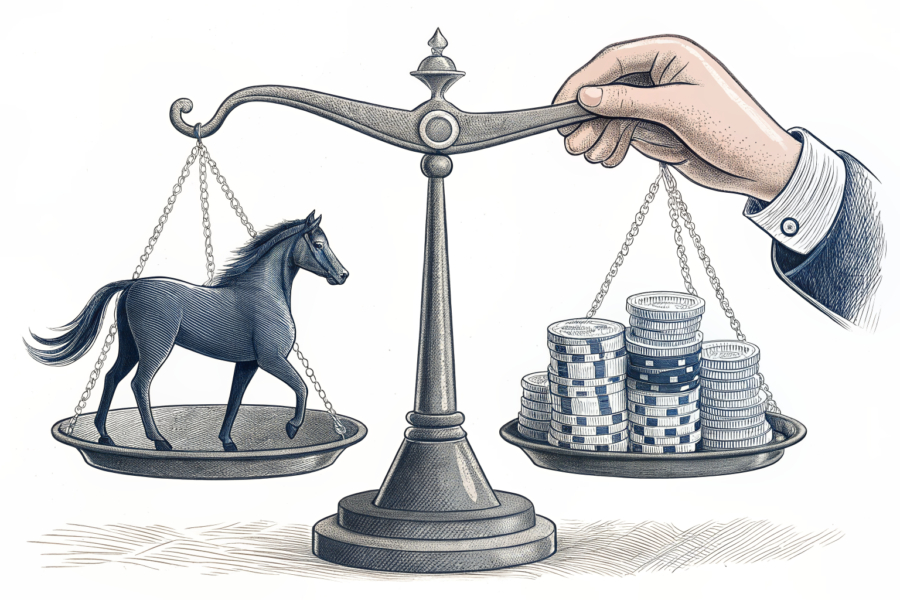
The horseracing sector has criticised the government’s decision not keep the Horserace Betting Levy the same after a long review.
UK.- British horseracing had good news back in November when betting on horses was exempted from the rise in British betting duty due to come into force from April 2027, but not everything is going its way. Gambling Minister Baroness Twycross has disappointed the sector with confirmation that the Horserace Betting Levy will remain unchanged.
Horseracing is the only sport in Britain supported by a statutory levy, which was first introduced in 1961 through the Betting Levy Act. Since modernisation in 2017, the levy has been fixed at 10 per cent of bookmakers’ gross profits from British racing once earnings exceed £500,000.
In 2025, the levy generated £108m, up from £105m the previous year. The Horserace Betting Levy Board (HBLB) oversees collection and distribution of the funds for investment in areas such as breeding, veterinary science and horse welfare.
Horseracing stakeholders have long been calling for a review of this calculation, but Ian Murray, who serves as the Labour government’s Minister of State for Media, Tourism and Creative Industries, confirmed in the House of Commons that the levy will not be changed.
Baroness Twycross said the reasons for holding the levy steady included the gambling tax reforms announced in the 2025 Autumn Budget, which included a hike in General Betting Duty from 15 to 25 per cent in 2027, while the rate for horse racing will remain at 15 per cent.
The government also rejected calls to extend the levy to international racing, arguing that the current framework already sustains a strong relationship between betting and British racing.
Twycross cited the conclusions of the previous government’s levy review, completed in April 2024, stating: “The Government is steadfast in its support for racing. We welcome initiatives to improve the governance structure within the sport, modernise the fixture list and improve horse welfare. We will continue to support the BHA and wider racing stakeholders to achieve these aims.”
Horseracing sector reaction
The British Horseracing Authority (BHA), which regulates the sport, criticised the decision. CEO Brant Dunshea said: “It is disappointing that it has taken almost three years to determine there should be no change in the Levy rate.
“Throughout protracted negotiations British horseracing engaged with the Government in good faith, including providing clear evidence of a substantial – and growing – gap between our costs of providing the sport and the return we receive from betting.
“Following the BHA’s lobbying campaign, the Government in its last Budget recognised the vital cultural, social and economic importance of horseracing by not imposing an increase in betting duties on the sport. In its pre-Budget advice to the Treasury, the DCMS also warned that ‘unless a carve-out for racing was accompanied by an increase in the Horserace Betting Levy…racing would be unlikely to feel any benefit.’
“Today’s WMS leaves unexplained why, only a few months after the Budget, the DCMS now believes there is no need to change the Levy rate. British horseracing already gets a significantly lower return from the gambling industry compared to our nearest rival jurisdictions. While French and Irish horseracing gets 7.7 and 8.4 per cent respectively, we receive less than 3 per cent.
“This is compounded by the failure to recognise that in refusing to extend the Levy to bets placed on overseas racing, the sport in Britain is funding our international rivals which diminishes our global standing
There is concern that the issue could deepen the tensions between racing and betting industries that emerged during the campaign against gambling tax rises. The gambling sector had the BHA’s decision to strike over the tax threat and to back tax rises on igaming provided that horseracing receive an exemption. Internally, divisions have also emerged among stakeholders such as the BHA, the Jockey Club, Arena Racing Company (ARC) and the Racecourse Association (RCA), each with differing visions for the sport’s future.