



Aviv Sher, Codere: “We share the concern that excessive or abrupt tax increases can reduce the competitiveness of the regulated offer”
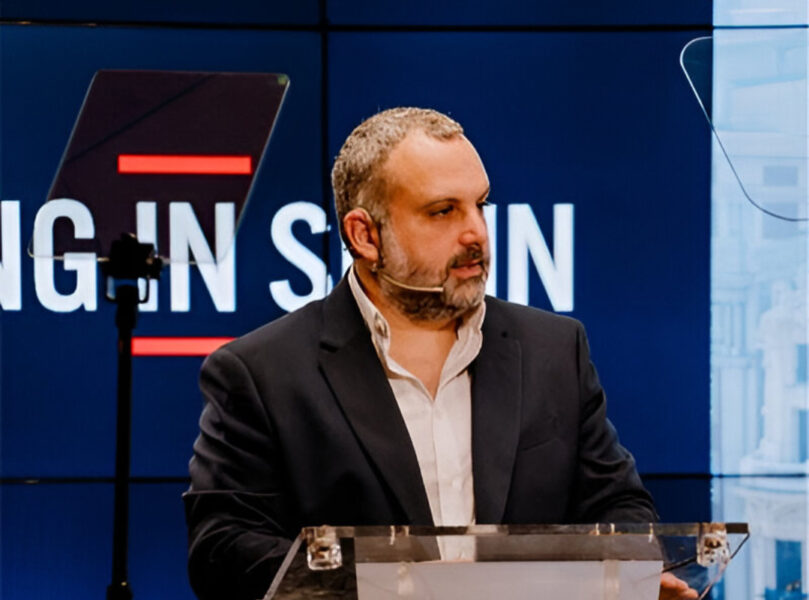

Codere Online’s CEO outlines the company’s stance on fiscal reforms in Mexico, Colombia, and Argentina, and explains how the company plans to adapt its operations if new tax measures are implemented.
Exclusive interview.- As Latin American governments move to increase taxation on the gaming sector, with Mexico proposing a 50 per cent rate on GGR, Colombia enforcing a 19 per cent VAT on deposits, and Buenos Aires debating additional levies, Codere finds itself navigating a shifting fiscal landscape. In this exclusive interview with Focus Gaming News, Codere Online’s CEO, Aviv Sher, addresses the potential impact of these measures on its profitability, investment strategy, and omnichannel model, while urging policymakers to adopt predictable, balanced tax frameworks that protect both consumers and the sustainability of the regulated market.
In Mexico, gaming tax will raise from 30 to 50 per cent of GGR in 2026, for both online and land-based betting. What impact would a measure of this kind have on Codere’s profitability and operational structure in the country?
As a policy matter, we support clear, predictable frameworks that sustain a healthy, regulated market and protect consumers. We won’t speculate on specific outcomes while the process is ongoing and while we explore mitigation initiatives, but this is obviously a very material increase in the gaming tax rate and will impact our approach to investing in this market going forward.
In Colombia, the proposed tax reform includes a 19 per cent VAT on games of chance. What consequences does the company anticipate in terms of local employment, investment, and the expansion of the regulated market if this reform is approved?
The 19 per cent tax on deposits was enacted in February this year and might continue into next year, so we are closely following the situation. While we understand the fiscal objectives behind it, these sudden, high increases in effective tax burdens typically pressure the economics of the regulated offer and risk unintentionally benefiting unlicensed operators. If finally extended into next year, our focus, as we have done this year, would be to adjust promotional tools, marketing mix and operating costs to avoid incurring losses.
In Buenos Aires, there are also discussions about tax increases of up to 15 per cent for slot machines, casinos, and online gaming. What strategies is Codere considering to mitigate this scenario in a key jurisdiction where it already has a strong presence?
Buenos Aires is a very small market for Codere Online, since we only operate in the City of Buenos Aires, not in the Province. If taxes rise, similar to what we would do in Mexico or have done in Colombia, our first levers are operational efficiencies, optimisation of our marketing investment, and further leveraging our CRM capabilities so customers continue to choose the regulated offer.
Codere operates physical venues and online platforms across several markets. How would a simultaneous tax increase on both channels affect the company’s omnichannel strategy?
Omnichannel remains central to our approach. It helps us deliver a more consistent experience for customers and creates efficiencies in marketing, payments, and customer service. If taxes rise in both channels at the same time, the strategy does not change; we would recalibrate investment across retail and digital, deepen loyalty and CRM initiatives, and keep the customer inside the regulated ecosystem.
Various analysts argue that higher tax burdens may push players towards offshore operators or the illegal market. How does Codere assess this risk in Latin America, and what measures should governments and operators take to avoid it?
We share the concern that excessive or abrupt increases can reduce the competitiveness of the regulated offer. The best antidote to illegal markets is a balanced, enforceable framework that combines: reasonable taxation, effective enforcement against unlicensed operators (payment and IP blocking, advertising enforcement), and strong consumer protections and safer gambling tools. Operators and governments are aligned on the goal of channelling demand into the regulated market, but higher tax burdens typically achieve the opposite.
“The best antidote to illegal markets is a balanced, enforceable framework that combines: reasonable taxation, effective enforcement against unlicensed operators and strong consumer protections and safer gambling tools”.
Aviv Sher, CEO Codere Online.
Governments justify these increases through the need to raise revenue. From a business perspective, does Codere believe that such high increases are sustainable, or could they lead to player migration to unregulated markets and ultimately reduce net tax collection?
Globally, experience suggests that sustainable tax policy balances fiscal objectives with robust channelling to the regulated offer. If tax increases are too steep or implemented too quickly, the regulated product may become less attractive (because operators will pass part or all of the tax increase on to consumers, by reducing promotions or otherwise), potentially driving players to unlicensed alternatives, which will reduce the taxable base over time. We believe predictable, proportionate taxation, combined with strong enforcement, maximises long-term tax revenues and consumer protections. That is the outcome we advocate in every market.
“If tax increases are too steep or implemented too quickly, the regulated product may become less attractive.”
Aviv Sher, CEO Codere Online.
Looking ahead to 2026 and beyond, what recommendations would Codere make to the governments of Mexico, Colombia, and Argentina to ensure that fiscal reforms do not hinder the sustainable development of the regulated sector?
Rather than raising taxes on the few compliant operators, governments should prioritise enforceable regulation that applies equally to all. This means clear, consistent rules across channels, combined with strong enforcement (blocking illegal sites, payment flows, and ads), so everyone competes under the same framework and customers stay in the regulated, safer market.
By Focus Gaming News Editorial Team