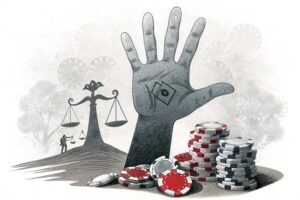



Philippines central bank proposes stricter payment rules for casino operators
The BSP is seeking greater transparency in casino payment transactions after identifying more than 8,000 merchants that process online casino bets through seemingly legitimate businesses.
The Philippines.- The Bangko Sentral ng Pilipinas (BSP) has proposed tighter rules for payment service providers, including a requirement for casino and wagering operators to use direct merchant arrangements. The draft amendments to the Manual of Regulations of Payment Systems would also introduce enhanced due diligence and monitoring for both land-based and online casinos.
The proposal follows BSP surveillance that identified thousands of small transactions processed through businesses that appeared to have no connection to gambling. More than 8,000 merchants, including businesses such as beauty salons and bakeries, were found to have received online casino payments, with some transactions as low as PHP50 (US$0.80). Accounts identified by authorities have been closed.
Under the proposed rules, payment providers would have to have greater visibility over merchants, their owners, payment channels, transactions and settlement accounts. Layered arrangements, in which an intermediary sits between the payment acquirer and the actual merchant, would be prohibited for casino and wagering operators.
BSP Deputy Governor Mamerto Tangonan said stronger checks are needed to protect consumers and prevent payment platforms from being used for fraud, illegal activities and money laundering. The Philippine Amusement and Gaming Corporation (PAGCOR) is working with the BSP on the issue, although Chairman and CEO Alejandro Tengco has acknowledged that PAGCOR does not control the country’s payment channels.
The proposed measures have received support from payment companies and industry advisers, although Arden Consult has warned that the rules need to be implemented carefully and that overly broad restrictions could lead banks and payment providers to reject legitimate gambling businesses without assessing their individual risk.