


Anders Dorph: “GREF’s primary purpose is to strengthen collaboration and dialogue among European gambling regulators”
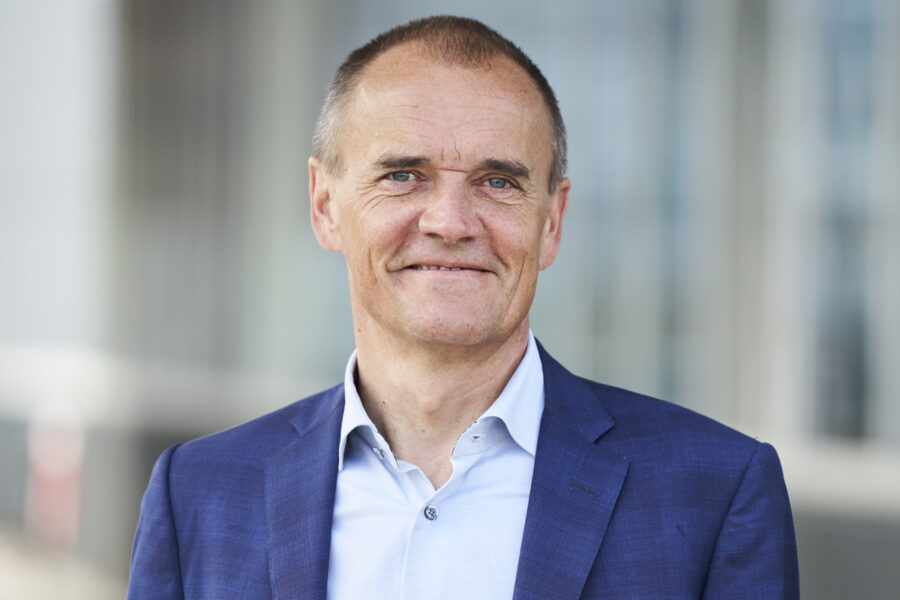
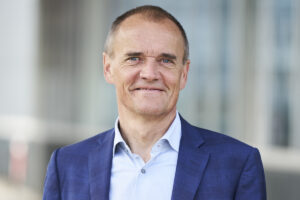
Focus Gaming News spoke to Anders Dorph, Director of the Danish Gambling Authority (Spillemyndigheden) and newly appointed Chair of the Gambling Regulators’ European Forum (GREF).
Exclusive interview.- Anders Dorph serves as the director of Spillemyndigheden, the Danish gambling authority, where he oversees one of Europe’s most progressive and closely monitored gaming markets. Recently, Dorph was appointed chair of the Gambling Regulators’ European Forum (GREF), a role that places him at the forefront of regulatory collaboration and policy development across the continent.
In this exclusive interview with Focus Gaming News, Dorph discusses his main objectives as GREF chair and the importance of fostering dialogue among European regulators.
Dorph also addresses the challenges of combating illegal operators and the complexities of cross-border regulation. Additionally, he provides an analysis of Denmark’s market performance in the first four months of the year and offers his views on recent developments shaping the future of gambling in Europe.
Congratulations on your recent appointment as chair of the GREF. What are your main objectives for this new role?
GREF’s primary purpose is to strengthen collaboration and dialogue among European gambling regulators. While there are notable differences across jurisdictions, we also share many common challenges and opportunities where mutual learning is highly valuable.
At our annual conference in Athens this May, it was evident that issues related to young adults and responsible gambling are high on the agenda for most regulators. These will therefore be key focus areas for our pan-European knowledge-sharing efforts moving forward.
The outgoing GREF Board introduced new initiatives to translate our core values — visible, open, and operational — into tangible action. These align closely with the principles we apply at the Danish Gambling Authority (DGA), and I will continue building on that foundation in my new role.
“Issues related to young adults and responsible gambling are high on the agenda for most regulators.”
Anders Dorph, director of the Spillemyndigheden and chair of the GREF.
Magali Clavie, chair of the Belgian Gaming Commission, has been appointed vice-chair of GREF. How would you describe your working relationship with her, and what initial priorities or guidelines have you established together?
I have served on the GREF Board alongside Magali for the past years and know her as a highly professional and dedicated colleague with a strong focus on developments both within and surrounding the gambling market. We share a common commitment to GREF’s values and a joint ambition to continue the organisation’s positive development.
How do you assess the current state of the gambling industry across Europe, particularly in terms of regulatory developments and market trends?
The European gambling industry is currently undergoing significant transformation, largely driven by regulatory evolution and continued growth in the online segment.
Some of the key trends we are observing include:
- Stricter licensing and regulatory frameworks aimed at reducing black market activity
- A shift towards liberalisation, with most countries now operating at least partially open markets
- Increased focus on consumer protection and responsible gambling
- Growing restrictions on advertising
Looking ahead, what do you consider to be the most pressing challenges for the European gambling industry in areas such as regulation, responsible gaming, and combating illegal operators?
There are several key challenges. First and foremost is combating the unregulated market. In parallel, we must ensure a delicate balance between maintaining an attractive gambling offering and securing a high level of consumer protection with low levels of gambling-related harm.
Cross-border harmonisation of regulation remains an important yet complex issue, as does keeping pace with rapid technological developments — including the use of artificial intelligence.
Moreover, advertising is increasingly taking place via social media and streaming platforms, often through anonymous private actors. This makes cooperation with global tech companies like Meta, Google, and Twitch crucial. Additionally, the emergence of mirror sites circumventing DNS blocking presents a continuing enforcement challenge.
As director of Spillemyndigheden, gaming revenue in Denmark increased by 11.6 per cent year-on-year in April, with online casino revenue continuing to drive growth in the sector. What is the analysis of the industry’s performance in the first half of the year?
As of now, we have data covering the first four months of 2025, showing the following trends compared to the same period in 2024:
- Betting revenue has increased by 8.1 per cent
- Online casino revenue is up by 11.2 per cent
- Gaming machine revenue has declined by 4.1 per cent
- Land-based casino revenue is down by 6.0 per cent
Overall, the market has grown by 7 per cent, primarily driven by sustained growth in the online casino segment.
If this development continues, we expect that online casino revenue will surpass lottery revenue for the first time in 2025.
“We expect that online casino revenue will surpass lottery revenue for the first time in 2025.”
Anders Dorph, director of the Spillemyndigheden and chair of the GREF.
Sweden recently announced the permanent closure of its state-owned land-based casinos. What is your view on this decision, and do you believe it signals a broader shift in the European gambling landscape?
This decision is indicative of a broader shift — particularly in Northern Europe — where the gambling landscape is becoming increasingly digital. Sweden, in fact, had the highest share of online gambling in Europe in 2024, so the move is consistent with ongoing market dynamics.
Based on your experience, how has Denmark managed the balance between land-based and online gambling offerings?
The shift from land-based to online gambling in Denmark has been primarily driven by broader societal and cultural changes, over which we as a regulator have limited influence. Our responsibility is to ensure a fair and well-regulated market across all channels. It is not our role to influence consumer behaviour directly, but we closely monitor developments in order to effectively target our supervisory efforts.
By Focus Gaming News Editorial Team