


Zambia tax relief scheme covers gaming and betting liabilities


The programme gives taxpayers until December 31 to settle qualifying liabilities, with penalties and interest eligible for a waiver under the scheme.
Zambia.- The Zambia Revenue Authority (ZRA) has introduced an Extended Voluntary Disclosure Scheme (EVDS), with gaming and betting taxes included among the tax categories covered by the programme.
The scheme began on September 17 and runs until December 31, 2026, covering penalties and interest relating to tax periods up to August 31, 2026, according to the Zambia Revenue Authority’s EVDS Program Guide.
ZRA commissioner general Dingani Banda said the programme was designed to give taxpayers “a clear, fair and time-bound opportunity to regularise their tax affairs.”
The guide states that the programme offers taxpayers a “100 per cent waiver of accrued penalties and interest upon settlement of the principal tax due.” It also provides for proportionate relief where only part of the qualifying principal tax is paid during the programme.
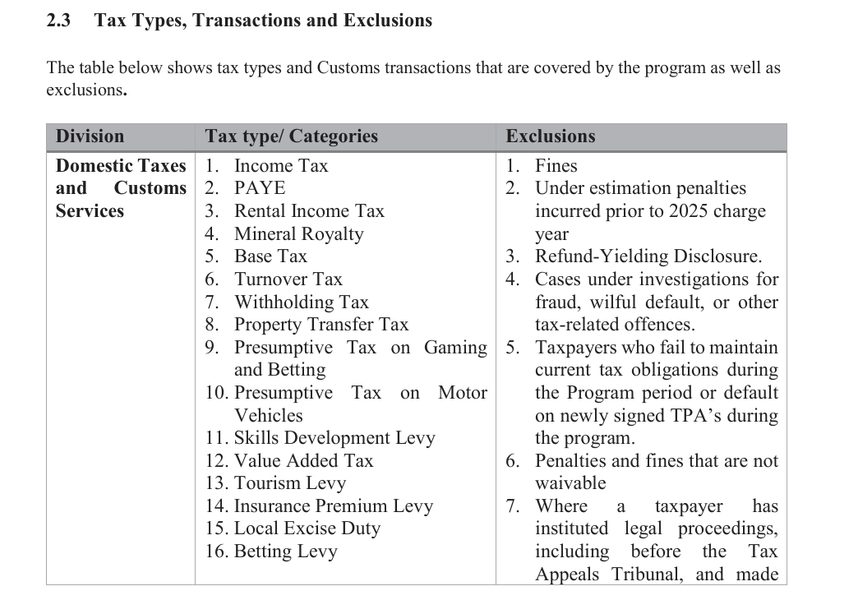
The ZRA lists Presumptive Tax on Gaming and Betting and Betting Levy among the domestic taxes covered by the scheme, alongside income tax, PAYE, rental income tax, withholding tax, VAT and other tax categories.
The programme is open to taxpayers with previously undeclared liabilities as well as those who have already declared their tax but have outstanding penalties and interest.
Applicants must disclose all undeclared income and/or information on imports and exports and file all returns. The guide requires taxpayers to settle principal liabilities in full, while also providing for applications for a Time to Pay Agreement (TPA).
The relief covers qualifying penalties and interest, including incorrect declaration, non-declaration, late return filing, late payment and late payment interest. Certain penalties and interest arising from audits and enforcement assessments are also included.
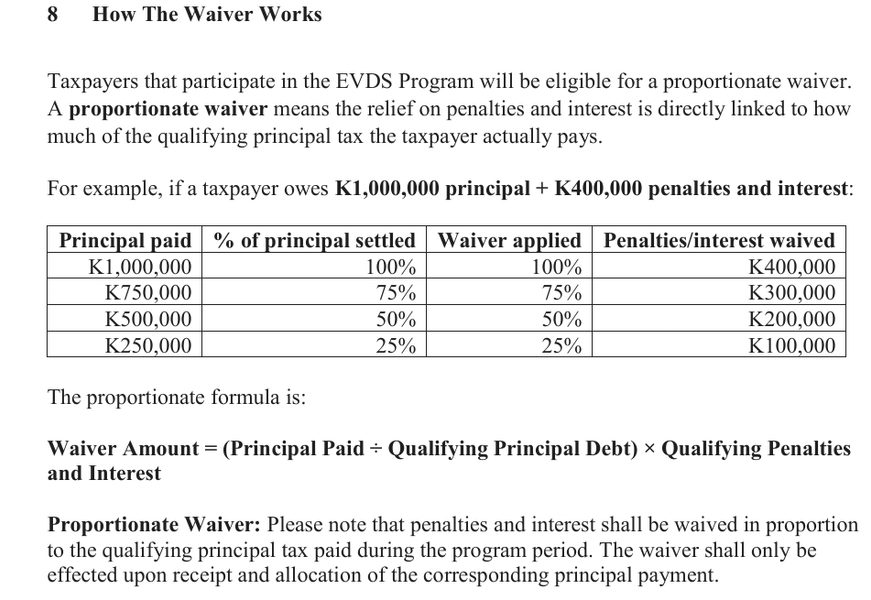
The waiver is linked to the amount of principal tax paid. Under the ZRA’s proportionate waiver system, the relief on penalties and interest corresponds to the amount of qualifying principal tax settled during the programme.
The guide gives an example of a taxpayer owing K1m (US$50,900) in principal tax and K400,000 (US$20,400) in penalties and interest. If K500,000 (US$25,500), or 50 per cent of the principal, is paid, 50 per cent of the qualifying penalties and interest would be waived, amounting to K200,000 (US$10,200).
The scheme excludes several categories, including fines, refund-yielding disclosures and cases under investigation for “fraud, wilful default or other tax-related offences”. It also excludes taxpayers who fail to maintain their current tax obligations during the programme, penalties and interest accrued after August 31, 2026, and certain cases involving objections, appeals or legal proceedings.
For domestic tax matters, including gaming and betting taxes covered by the scheme, taxpayers can apply for the penalty waiver through the ZRA e-services portal, while voluntary disclosures must be submitted in writing to the relevant ZRA office.
The ZRA says voluntary disclosures will not attract penalties and interest to the extent of the disclosure, subject to the requirements of the existing Voluntary Disclosure Programme.
The EVDS is described as a time-bound administrative programme based on the Commissioner General’s existing powers under Zambia’s Income Tax Act, Value Added Tax Act and Customs and Excise Act. The guide says it provides general guidance and does not replace or amend the law.