


Authorities signal Uganda’s gambling industry to prepare for proposed Centralised Payment system
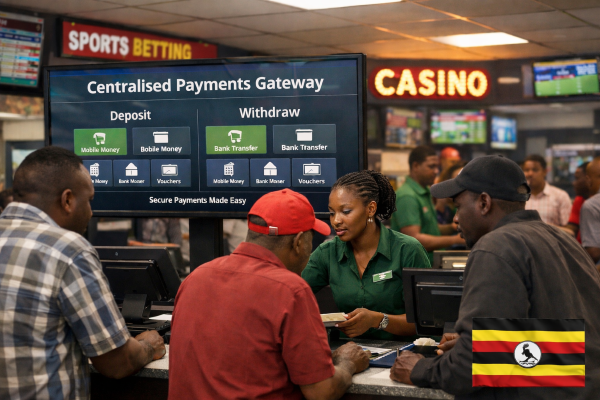
Regulators indicate operators should ready systems for a Bank of Uganda‑licensed gateway linked to URA, with a proposed UGX110m (€26,268) penalty for non‑compliance.
Uganda.- Authorities are signalling that Uganda’s gambling industry should prepare for a proposed Centralised Payment System, pending parliamentary approval, with a potential UGX 110m (€26,268) penalty for non‑compliance. The system, to be licensed by the Bank of Uganda and linked to the Uganda Revenue Authority’s (URA) electronic notice platform, is part of a broader overhaul of how betting transactions are processed.
The measure is contained in the Tax Procedures Code (Amendment) Bill, 2025, which would require casinos, sports betting firms and other gambling operators to channel wagers and payouts exclusively through the proposed system once it becomes law.
Failure to comply would trigger a significant financial sanction. Henry Musasizi, State Minister for Finance said: “An operator of a casino, gaming or betting activity who does not use or is not integrated with the gaming and betting centralised payments gateway system is liable to pay a penal tax equivalent to double the gaming or withholding tax due or 5,500 currency points, whichever is higher.”
The bill sets the penalty at 5,500 currency points – which equates to UGX110m (€26,268) – underscoring the substantial financial risk operators could face if they fail to comply.
Transparency and tax collection
While the bill is currently proposed, officials said that it is “all set to be finalised” once parliamentary approval is given. The URA would oversee the system once enacted, and the National Lotteries and Gaming Regulatory Board (NLGRB) continues to regulate gambling operators generally.
Officials say the system is intended to enhance transparency, strengthen tax collection and reduce underreporting of gambling revenues. Reporting on the proposed penalty underscores the government’s intent to ensure robust compliance once the legislation takes effect.
Parliamentary approval and presidential assent are required before the centralised payment gateway and penalties can become law. In the meantime, operators are monitoring developments closely – aware that once enacted, failure to integrate could lead to significant fines and regulatory scrutiny.