


Sun International CEO warns of rising offshore gambling threat to South Africa’s regulated market

Independent research cited by Sun International indicates that tens of billions of rand may be leaving the country through offshore gambling activity.
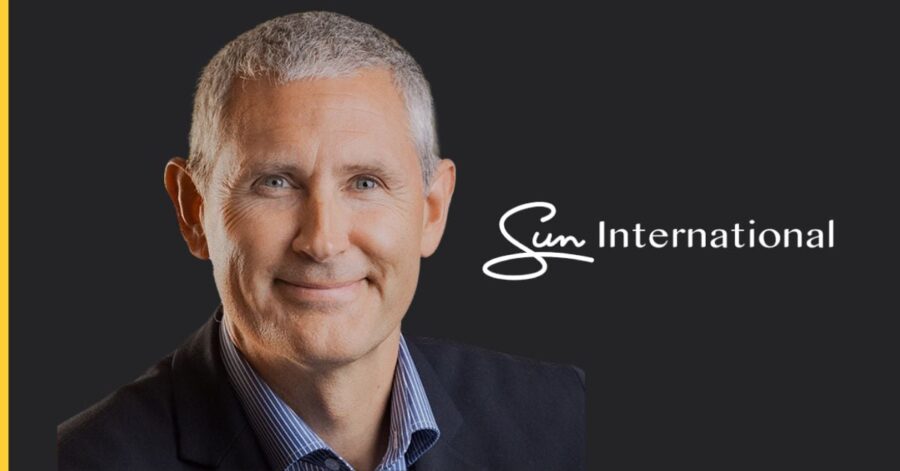
South Africa.- South Africa’s regulated gambling sector is under pressure from a growing number of unlicensed offshore operators, according to Ulrik Bengtsson, Chief Executive of Sun International, who says more than 2,000 such platforms are already serving local players outside the country’s regulatory framework.
Bengtsson raised the issue in a recent opinion piece, linking the expansion of offshore gambling sites to ongoing policy debates around taxation and regulation in South Africa. He argues that regulatory decisions could determine whether gambling activity remains within licensed channels or shifts further towards unregulated operators.
Data referenced in the discussion indicate that a portion of South Africa’s online gambling activity already flows to offshore platforms, which operate beyond the reach of local authorities. These operators do not contribute to tax revenue or comply with responsible gambling requirements applied to licensed companies.
Industry estimates suggest the financial impact is significant. Independent research cited by Sun International indicates that tens of billions of rand may be leaving the country through offshore gambling activity, representing a substantial share of online gross gaming revenue.
The debate comes as the South African government considers new tax measures on online gambling. Proposals include a national levy on gross gaming revenue, which would be added to existing provincial taxes and VAT obligations.
Bengtsson and other industry stakeholders have cautioned that higher tax burdens on licensed operators could reduce their competitiveness against offshore platforms. The concern is that players may shift to unregulated sites offering better odds or incentives, thereby reducing tax collection and weakening consumer protections.
The concept of “channelisation” — the share of gambling conducted through licensed operators — has become central to the debate. Higher channelisation is linked to stronger oversight, improved tax collection and enhanced player protections. However, this balance can be disrupted by regulatory changes that increase the cost burden on legal operators.
South Africa’s online gambling market has expanded rapidly in recent years, with betting accounting for a large portion of total wagering activity. Policymakers are now weighing how to regulate the sector while limiting illegal activity and maintaining revenue.
The outcome of the current policy process is expected to shape how much of the country’s gambling activity remains within the regulated system and how effectively authorities can address offshore competition.