


Staff shortages and system failures fuel Zimbabwe’s illegal gambling surge
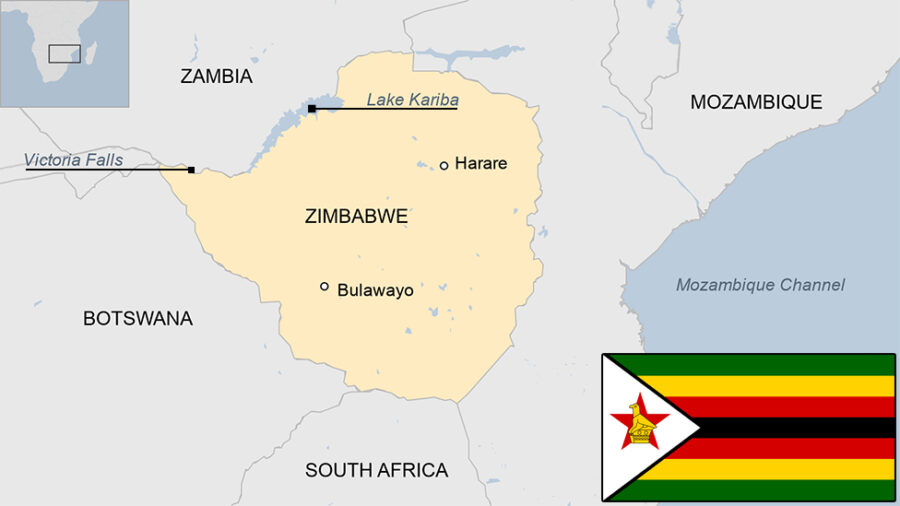
Staff shortages, outdated systems and regulatory blind spots leave illegal gambling operations free to thrive.
Zimbabwe.- Illegal online gambling is mushrooming across Zimbabwe, and authorities appear powerless to stop it.
In a recent report presented to the Parliamentary Portfolio Committee on Defence, Home Affairs, Security Services and War Veterans Affairs, the Lotteries and Gaming Board in Zimbabwe sounded the alarm on the surging growth of unauthorised betting platforms.
At the heart of the issue? A toxic mix of technology outpacing legislation, and a regulatory body crippled by understaffing and limited tools.
A government source confirmed to the ZimEye publication the root of the crisis. “The report attributed the rise in illegal online gambling to technological advancements, increased accessibility, and the borderless nature of online activities, which pose regulatory enforcement challenges.”
The report also pointed to internal limitations, including staffing shortages, that hinder efforts to shut down illegal gambling operations.
“The board also cited inadequate personnel as a hindrance to closing illegal gambling shops sprouting across the country,” the source added.
Virtual wild west
From underground sports betting hubs to flashy digital casinos operating outside the law, Zimbabwe’s gambling landscape has become a virtual wild west.
And while legitimate operators undergo licensing and rigorous vetting, illegal outfits are slipping through the cracks, exploiting loopholes and flying under the radar of a regulatory system stretched far too thin.
Just as investment in the legal gambling sector is gaining momentum, with both local and foreign backers setting up shop, the illegal market is growing in parallel, unchecked and potentially dangerous.
Curbing gambling venues
In an effort to restore order, the board has capped the number of licensed outlets and toughened application processes, hoping to curb the saturation of gambling venues. But with no digital infrastructure to match the agility of online operators, enforcement efforts remain sluggish and largely reactive.
Worryingly, the report also flagged the risk of gambling platforms being used for illicit financial transactions. In response, stricter monitoring protocols have been introduced to crack down on money laundering and other criminal activity.
But without boots on the ground and modern systems in place, these measures may be too little, too late.
Unless Zimbabwe invests in modern regulatory tools and addresses its internal shortfalls, the odds of shutting down these operations remain stacked against it.