

South Africa’s 20% online gambling tax violates the constitution, says critics
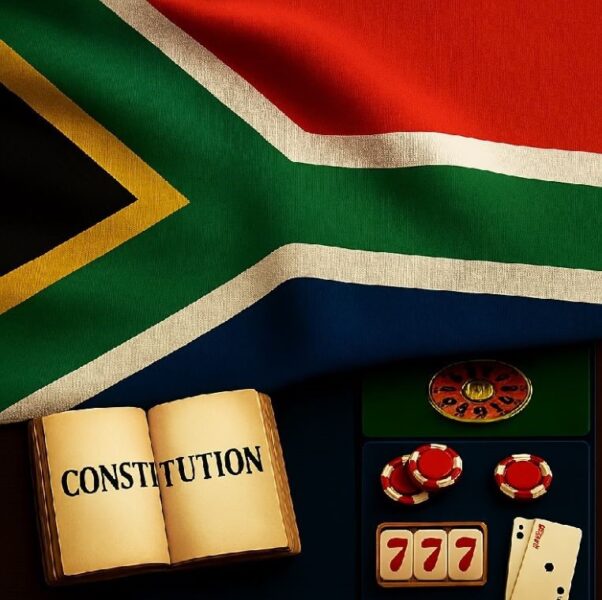
South Africa’s proposed levy has drawn sharp backlash from industry experts and legal commentators, who warn it could destabilise the regulated market and breach constitutional principles.
South Africa.- South Africa’s proposed 20 per cent national tax on online gambling revenue is under intense scrutiny as the public comment period nears its January 30 deadline. Industry experts and legal commentators warn that the measure could violate constitutional principles and threaten the viability of the country’s regulated gambling market.
The draft discussion paper published by National Treasury would impose a 20 per cent national levy on revenue generated from online betting and interactive gambling, on top of existing provincial gambling taxes of approximately 5-7 per cent, depending on the province. Treasury says the measure aims to address social harms linked to the rapid growth of online gambling, including addiction and related societal costs.
However, critics caution that the proposal could destabilise South Africa’s regulated gambling sector and conflict with constitutional boundaries governing taxation powers.
“Bizarre tax” sparks industry backlash
The Free Market Foundation, a South African policy institute promoting economic freedom and limited government intervention, described the proposal as “a naked revenue grab that threatens the very existence of the legal gambling market”, according to the Citizen.
Ayanda Zulu, a political studies graduate from the University of Pretoria and an intern at the Free Market Foundation, provided commentary on the proposal through the organisation. “This bizarre proposal should not see the light of day,” said Zulu.
He added that the tax may be unconstitutional, stating: “This means that a national tax is unconstitutional because its centralisation of fiscal responsibility ignores clear jurisdictional boundaries and the limits placed on the national government.” Zulu added that “it undermines democratic practice due to the lack of meaningful consultation with those who will be affected”.
Industry stakeholders have similarly warned that layering a national tax over provincial levies could weaken compliant operators, reduce competitiveness and push players toward unregulated offshore platforms.
Industry pushback and treasury response
Several major operators and trade groups have voiced opposition in recent media reports. Sun International and the South African Responsible Gambling Organisation (SAROGA) warned that the tax could “destabilise the regulated market” and encourage migration to illegal offshore sites. The South African Bookmakers’ Association (SABA) and other legal analysts also criticised the proposal for constitutional risks and insufficient consultation.
Treasury’s draft further includes interactive gambling in the tax base, despite online casino games remaining technically illegal under existing law. Legal commentators note that taxing activities without a clear national framework complicates enforcement and undermines policy coherence.
Treasury argues that online gambling has become “easily available online and accessible almost anywhere and at any time”, prompting the need for a unified national tax framework. The draft remains open for public comment until January 30, with written submissions invited from operators, legal experts and the public before the policy is finalised.
Treasury officials note the rapid growth of online gambling and estimate the proposed levy could generate more than R10bn annually (€490m). As the public comment period nears its close, industry stakeholders continue to urge a balanced approach that protects consumers, respects constitutional boundaries and preserves South Africa’s legal gambling market.