

South Africa streamlines LPM licensing with new digital platform
This initiative responds to the challenges posed by lengthy approval times, which in some provinces have stretched from five to twelve months.
South Africa.- The National Gambling Board (NGB) of South Africa has introduced a new digital system to simplify and speed up the application process for Type B licences, which cover limited payout machine (LPM) operators who manage between six and 20 machines. These licences are common in venues such as pubs, taverns and local community halls.
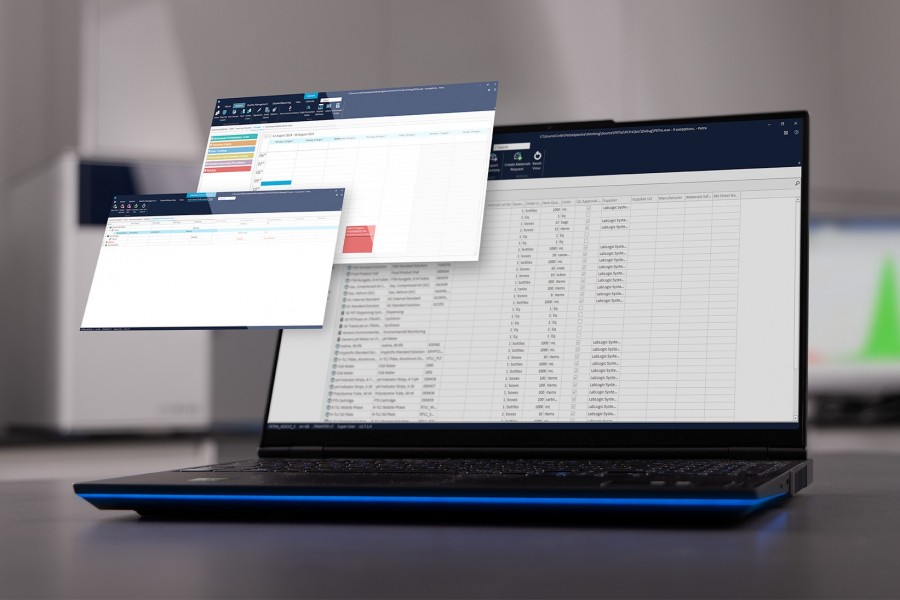
Going forward, provincial licensing authorities (PLAs) will handle applications through a secure SharePoint folder overseen by the NGB. Each PLA can use the system to create applicant-specific folders, upload the necessary documentation and confirm submissions via a designated email address. Applications sent outside this channel will no longer be accepted, ensuring a more transparent and efficient document-handling process.
This initiative responds to the challenges posed by lengthy approval times, which in some provinces have stretched from five to twelve months. Given South Africa’s more than 15,800 LPMs, mostly concentrated in KwaZulu-Natal (21 per cent) and Gauteng (19 per cent), ensuring timely licence renewals and new approvals is critical to sustaining compliance and steady sector revenue.
Lungile Dukwana, Acting CEO of the NGB, noted that the new system benefits both operators and regulators, enabling direct communication and faster feedback between PLAs and the NGB team.
The innovation aligns with broader government efforts to ease administrative burdens on businesses. Prioritising digital transformation in the licensing arena also supports the fight against unlicensed LPM operations, which remain an ongoing concern.
The NGB plans to monitor how well the new system is adopted, seek PLA feedback and conduct training sessions in November to ensure smooth implementation. Officials expect the system to be fully operational nationwide by early 2026, with ongoing updates based on user feedback.
The board says this rollout marks the beginning of broader digital reforms within its regulatory framework, with future plans for automated compliance reporting and monitoring tools.