

Rwanda cracks down on illegal slot machines in nationwide disposal drive
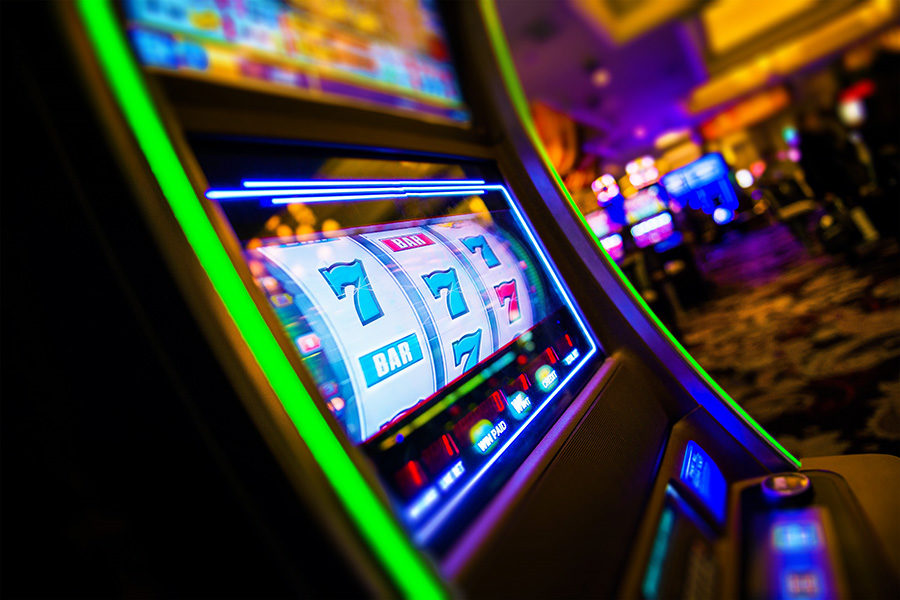

Officials say the initiative aims to reduce community exposure to unregulated gambling and ensure that discarded machines do not become an environmental or social hazard.
Rwanda.- The government of Rwanda has begun dismantling and recycling more than 7,000 unlicensed slot machines seized across the country as part of a push to crack down on illegal gambling operations and ensure environmentally safe disposal of electronic waste.
The Rwanda Development Board (RDB), in collaboration with e-waste recycler Enviroserve Rwanda, is overseeing the operation, ensuring that the machines are collected from Kigali and other provinces and taken to dismantling facilities where parts will be separated and repurposed or safely treated.
The illegal gaming machines were confiscated from several establishments that were not licensed to offer gambling, including betting shops, trading centres and unregulated gaming houses in different parts of the country. Under Rwandan gaming rules, slot machines can only operate within licensed casinos.
According to Enviroserve, the machines are treated as electronic waste because they contain plastics, cables, circuit boards and other components that must be handled carefully.
Olivier Mbera, Country General Manager of Enviroserve Rwanda, said: We are currently dealing with around 7,000 slot machines. So far, we’ve collected over 3,500 from Kigali and the Eastern Province. These machines fall under electrical and electronic equipment. They use electricity and contain various components, which is why we’re working with RDB to ensure their proper disposal, as they are not permitted for use in Rwanda.”
The waste management notes that its recycling process yields valuable materials like steel, aluminum, copper and circuit boards, while hazardous elements such as brominated flame retardants found in some plastics are separated and managed to reduce environmental harm. Reusable metals and plastics are either fed into local manufacturing channels or exported to facilities that further process circuit boards and plastics into usable raw materials.
Mbera added: “Nothing from the slot machines is wasted. Each part is reused. Steel is used to make steel or iron bars. Copper is reused in the production of cables.”
RDB has also ordered eight foreign gaming companies to remove their slot machines, numbering about 1,000, from the Rwandan market or face legal consequences. Jacques Habyarimana, the RDB official in charge of gaming activities, said: “These companies have been given a three-month deadline, starting in September 2025, to withdraw their machines and repatriate them to countries where they are permitted. By December, none of these machines should remain in Rwanda.”
The RDB’s campaign combines enforcement with public awareness and local skills training. While Enviroserve is training youth in safe dismantling techniques, the RDB continues to engage stakeholders about the new gaming framework. Officials say the move aims to reduce community exposure to unregulated gambling and ensure that discarded machines do not become an environmental or social hazard.