

NWGB partners Health Department on responsible gambling awareness
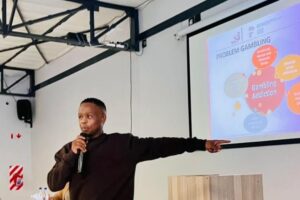
The provincial regulator used a workplace wellness day to warn that gambling can shift from entertainment to harmful behaviour, and pointed those affected to free, confidential counselling.
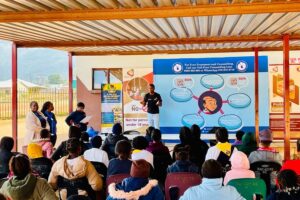
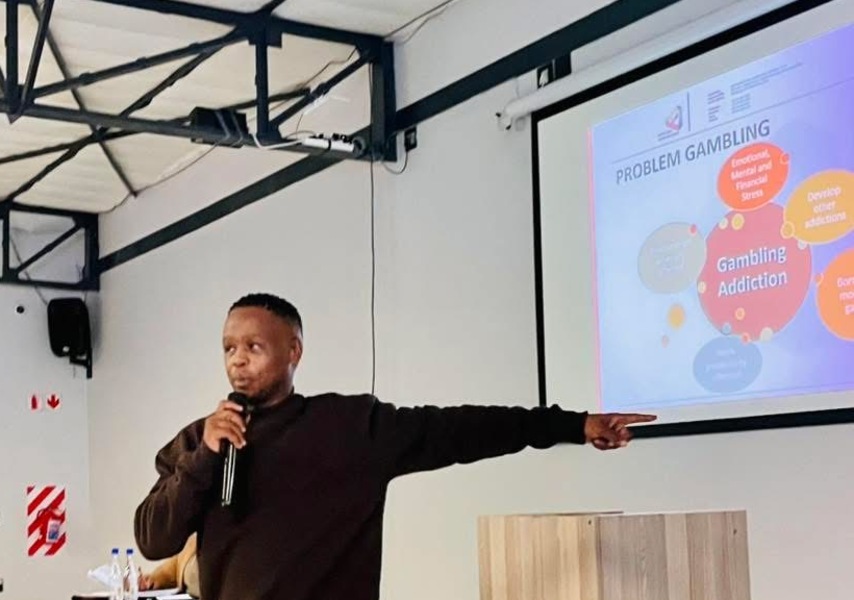
South Africa.- The North West Gambling Board (NWGB) has partnered with the Department of Health to deliver responsible gambling education during the Department’s Operational Health and Safety Wellness Day.
In a public awareness message released on Monday, July 6, as part of the initiative, the board said wellness extends beyond physical health and includes making responsible choices about gambling. It noted that while gambling can be a form of entertainment for many people, it can also develop into harmful behaviour with significant personal and social consequences.
The board said gambling stimulates the release of dopamine, a brain chemical associated with pleasure, excitement and anticipation, and that repeatedly seeking that feeling can increase the risk of problem gambling.
It warned that gambling-related harm can affect many areas of a person’s life, listing financial hardship, declining work performance, borrowing money to keep gambling, strained family and personal relationships, and the development of other addictive behaviours. Social gambling may stay a leisure activity for some, the board said, but uncontrolled gambling can damage a person’s health, career, family life and long-term wellbeing.
As part of the campaign, the NWGB encouraged individuals experiencing gambling-related difficulties to seek professional support. Participants were also informed about the free and confidential counselling services offered by the South African Responsible Gambling Foundation (SARGF).
The initiative forms part of broader efforts to integrate responsible gambling education into workplace wellness programmes and public health activities. The board said informed choices remain central to preventing gambling-related harm and contributing to healthier workplaces, stronger families and safer communities.