


Nigeria’s National Lottery Act set for repeal as Senate passes Central Gaming Bill 2025


The controversial legislation, which repeals the National Lottery Act of 2005 and its 2017 amendment, centralises regulation of online and remote gaming and now awaits presidential assent amid strong objections from state regulators and legal experts.
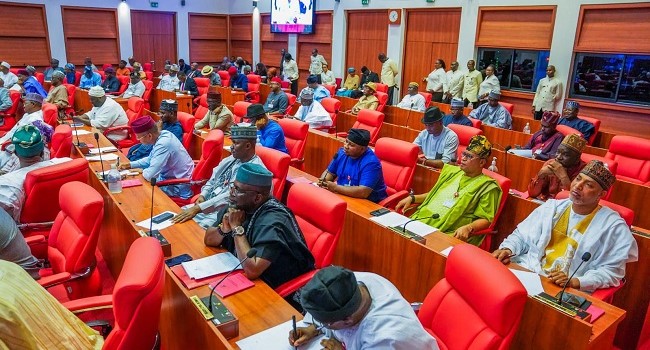
Nigeria.- Nigeria’s Senate has passed the Central Gaming Bill, 2025, on third reading, propelling the controversial legislation one step closer to law. The bill also seeks to repeal the National Lottery Act of 2005 and its 2017 amendment and has sparked fierce criticism from state regulators and legal experts who argue it conflicts with a 2024 Supreme Court ruling affirming states’ authority over gaming. The legislation now awaits transmission to President Bola Tinubu for assent.
Deputy Senate President Barau Jibrin announced the passage of the bill on 4 December 2025. “A bill for the Act to repeal the National Lottery Act Number Seven of 2005 and the National Lottery Amendment Act Number Six of 2017 and to enact the Central Gaming Bill to regulate the operation and business of all forms of online and remote gaming across the geographical boundaries of the federation units and beyond the borders of Nigeria, provide for the conduct of gaming in the Federal Capital Territory and enhance revenue generation for the federation and for related matters, 2025 (HB 262) third reading taken and passed”, he said, according to Channels Television online.
The bill aims to modernise Nigeria’s gaming laws by streamlining licensing, taxation and compliance for online and remote gaming while providing a uniform federal framework. Proponents argue it will boost federal revenue, improve oversight and create a legal foundation for cross-border and FCT-based gaming operations.
Despite Senate approval, the bill faces intense opposition from state regulators and legal experts. A 2024 Supreme Court ruling clarified that gaming, including lotteries and betting, falls under the legislative authority of states, except for matters within the federal government’s exclusive jurisdiction. Jibrin noted that such federal matters “included cross-border or international gaming operations”.
Fierce state pushback
The Federation of State Gaming Regulators of Nigeria (FSGRN) – representing state-level regulators – has warned the bill represents “an open affront on the supremacy of the Constitution and the authority of the Supreme Court of Nigeria”, according to ThisDayLive.
The government of Lagos State has issued a press statement cautioning lawmakers that the bill violates the 2024 Supreme Court judgment. One official described the bill as a “voyage of unconstitutionality”.
Meanwhile, Bamidele Salam, a federal legislative spokesperson defended the bill’s objectives. “The Bill provides a clear legal foundation for the conduct of gaming activities within the Federal Capital Territory (FCT), where the Federal Government retains regulatory authority.”
He added: “The Bill aims to improve revenue collection from gaming activities by streamlining taxation, licensing fees and compliance measures while ensuring transparency, accountability in revenue remittance and promoting responsible gaming, preventing gambling addiction and protecting consumers from fraudulent practices.”
If fully enacted, the Central Gaming Bill would replace the National Lottery Act of 2005 and its 2017 amendment, consolidate licensing under a federal regulator, and extend oversight to online and remote gaming across state borders. It also seeks to ensure uniform standards for taxation, compliance and consumer protection while supporting responsible gaming initiatives.
Senate approval marks a key milestone, but the bill’s future remains uncertain. Next steps include presidential assent, possible House concurrence and likely legal challenges from states claiming the federal government overstepped its authority.
As Nigeria’s online and cross-border gaming industry expands rapidly, all eyes are on the president and the courts to determine whether the Central Gaming Bill will become law or face judicial hurdles.