

Mpumalanga regulator warns landlords over illegal gambling risks
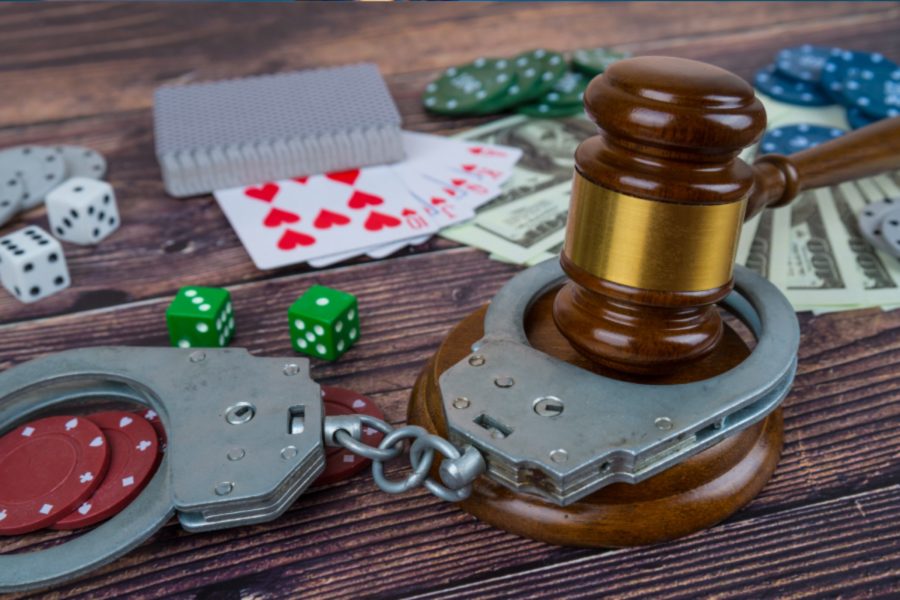
According to the MER, landlords may be held criminally liable if they knowingly or unknowingly allow illegal gambling to operate on their properties.
South Africa.- The Mpumalanga Economic Regulator (MER) has warned landlords that they could face criminal prosecution, hefty fines or imprisonment if their properties are used for illegal gambling, even when the activities are carried out by tenants.
In a public awareness campaign, the regulator reminded property owners that the National Gambling Act, No. 7 of 2004, prohibits gambling activities from being conducted on unlicensed premises. According to the MER, landlords may be held criminally liable if they knowingly or unknowingly allow illegal gambling to operate on their properties.
The regulator said non-compliance could result in penalties of up to R10m (€536,240), imprisonment for up to 10 years, or both.
To reduce the risk of liability, the MER urged landlords to conduct due diligence before leasing their properties. It advised property owners to ensure lease agreements clearly define the permitted use of the premises and expressly prohibit illegal activities.
The regulator also encouraged landlords whose tenants operate gambling businesses to verify that they hold a valid gambling licence issued by the MER. Licensed operators are required to display their operating certificates prominently at their premises.
Where landlords suspect illegal gambling activity, the MER advised them to visit the property and request a copy of the operator’s gambling licence without delay.
To help property owners confirm whether a licence is valid, the regulator said verification can be completed by sending an SMS with the word “verify” followed by the licence number to 30503, or by using the licence verification service available on the MER’s online portal.
The MER stressed that illegal gambling remains a serious offence and urged landlords not to ignore suspected unlawful activity on their properties. It also encouraged members of the public to report suspected illegal gambling to the regulator or the National Gambling Board for investigation.