

Limpopo and Mpumalanga exchange best practices on gambling regulation, tourism and economic growth
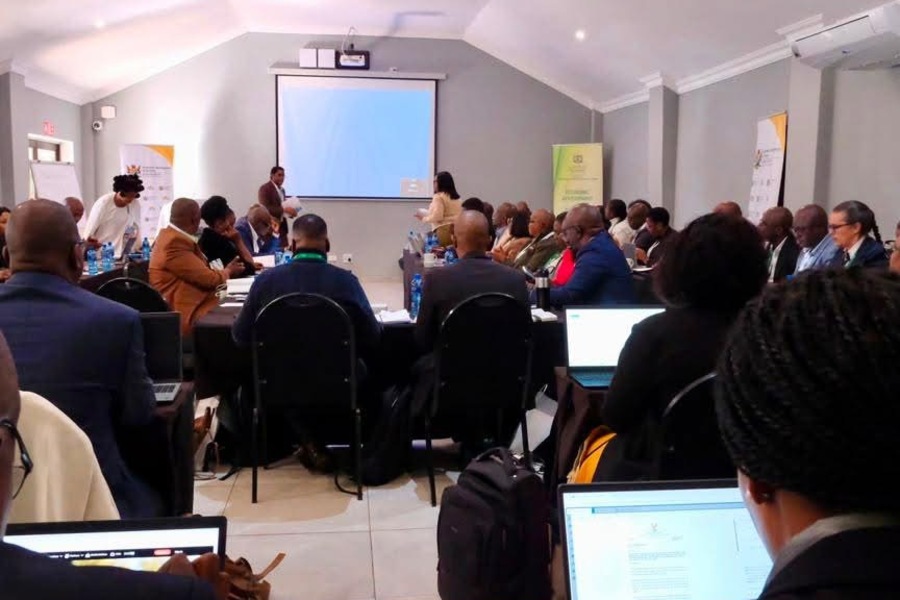
Officials spent the day comparing policies, operational approaches and development strategies before presenting their findings to the provincial leadership during the closing session.
South Africa.- The Limpopo Department of Economic Development, Environment and Tourism (LEDET) and the Mpumalanga Department of Economic Development and Tourism have concluded an intergovernmental benchmarking visit aimed at strengthening cooperation across gambling regulation, tourism, economic development and Special Economic Zones (SEZs).
The engagement, held on July 9 in Mbombela, brought together officials from both provincial departments and their entities to exchange best practices and identify strategies that could improve economic performance, attract investment and create jobs.
The programme began with technical discussions between officials before concluding with a feedback session attended by Limpopo MEC for Economic Development, Environment and Tourism, Dr. Tshitereke Baldwin Matibe, and representatives of Mpumalanga’s political leadership, including Gambling Board chairperson Jabulani Mahlangu, who represented MEC Jesta Sidell.
According to the participating departments, the benchmarking exercise focused on key areas of provincial development, including tourism, gambling regulation, and the development of SEZs.
The discussions also highlighted areas where each province has demonstrated comparative strengths. Limpopo currently contributes a larger share to South Africa’s gross domestic product than Mpumalanga, while the Mpumalanga Gambling Board generates more revenue than its counterpart in Limpopo. Officials said these differences created opportunities for both provinces to learn from one another and improve policy implementation.
Addressing the engagement, Dr. Matibe said the exchange of knowledge reflected a shared commitment to improving residents’ lives through cooperation rather than competition. He said collaboration across tourism, gambling regulation, and economic development would help both provinces identify practical solutions to common challenges and strengthen service delivery.
Officials spent the day comparing policies, operational approaches and development strategies before presenting their findings to the provincial leadership during the closing session.
The final engagement allowed both departments to review recommendations from the technical discussions and agree on implementation priorities for future collaboration.
The departments said the outcomes of the discussions would help shape future collaboration between the two provinces as they work to improve economic growth and regulatory performance.