

Kenya’s betting firms may soon require selfies for registration

The new rules are designed to reduce the number of betting firms operating in the country.
Kenya.- The Betting Control and Licensing Board (BCLB) has unveiled a new set of measures aimed at strengthening oversight in Kenya’s rapidly growing gambling sector. The proposal was presented to the National Assembly’s Departmental Committee on Finance and Planning by BCLB Director Peter Mbugi on July 15, 2025.
Mbugi explained that the new rules limit speculative entries and promote responsible betting practices in Kenya. They also intend to reduce the number of betting firms operating in the country.
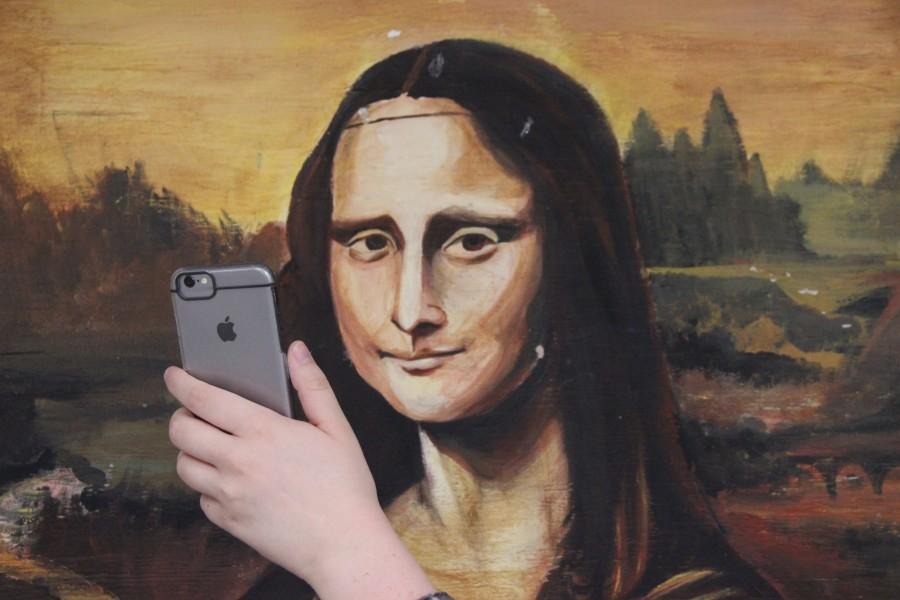
Under the proposed bill, new bettors must provide a selfie as part of the registration process to verify their identity. This measure is expected to help prevent underage gambling, which has become a significant challenge in the country.
The BCLB also seeks to increase the minimum capital for licensing and tighten operational requirements to curb speculative and opportunistic betting activities. Small-scale betting shops will need to have a minimum of Ksh50 million (€330,163) to operate, while public gaming operators such as casinos must have Ksh5 billion (€33m). National lottery and online gambling operators would also be required to deposit Ksh200 million (€1.3m) to qualify for a licence.
The fate of the proposals now rests with the president, who will decide whether to sign the bill into law. However, in the meantime, Mbugi informed the lawmakers that a joint effort between the board and the Communication Authority of Kenya has resulted in the closure of more than 106 unlicensed gambling websites.
The director also highlighted the new restrictions on gambling advertisements as part of the government’s efforts to address problem gambling. He said: “We have controlled gambling advertisement in the media, which is one of the factors contributing to the increase in gambling activity. Going forward, gambling adverts must go through the Kenya Film Classification Board for classification, and we believe gambling is adult content that can only be aired outside the watershed period.”