

Kenya consumer group opposes 20% gambling winnings tax proposal
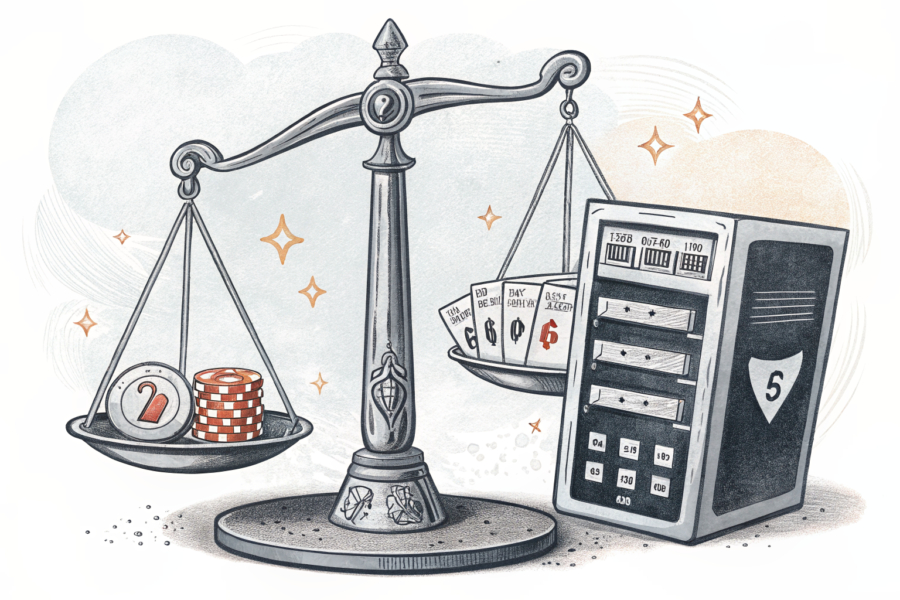
The Consumers Federation of Kenya said the proposed 20 per cent tax on gambling winnings would be one of the highest rates applied in the sector and could discourage participation in Kenya’s regulated betting market.
Kenya.- The Consumers Federation of Kenya (COFEK) has urged lawmakers to drop the proposed withholding tax on gambling winnings in the Finance Bill 2026, saying it would increase the overall tax burden on bettors. The group made its submission to the National Assembly’s Finance and Planning Committee as Parliament reviews the draft bill.
According to COFEK, the proposed rate is among the highest internationally when combined with existing taxes already imposed on Kenya’s gambling sector, including excise duties and betting-related levies paid by operators and punters.
The Finance Bill 2026, tabled in Parliament on April 30, entered the public participation stage on May 11 as lawmakers and stakeholders reviewed a series of proposed tax measures aimed at increasing government revenue.
Under the proposal, the government plans to impose a 20 per cent withholding tax on gambling winnings. The bill also includes a separate proposal to apply a five per cent tax on withdrawals linked to gambling transactions, further expanding the tax framework around betting activities.
COFEK argued that layering additional taxes on winnings and withdrawals could reduce player payouts and make participation in Kenya’s regulated betting market more expensive. The consumer lobby warned that excessive taxation may discourage compliance within the licensed market and potentially push some consumers towards unregulated or offshore gambling platforms that fall outside Kenya’s tax and consumer protection systems.
The organisation urged lawmakers to reconsider the proposal before the Finance Bill advances to its Third Reading in Parliament, saying the current structure risks placing a disproportionate burden on ordinary consumers while operators already face multiple sector-specific taxes.
Kenya’s gambling industry has remained under close regulatory and fiscal scrutiny in recent years, with authorities repeatedly citing concerns around addiction, underage gambling, consumer protection and revenue leakage. The government has increasingly turned to the sector as a source of tax income amid broader efforts to strengthen domestic revenue collection.
Supporters of the proposed measures argue that higher taxes and stricter oversight could improve accountability in the gambling sector while generating additional funds for the state. They also maintain that tighter controls may help curb excessive betting activity, particularly among young people.
However, critics within the industry and consumer groups have consistently argued that frequent tax increases risk weakening the competitiveness of licensed operators and reducing consumer participation in the regulated market.
The Finance Bill 2026 remains under parliamentary review, with the Finance and Planning Committee expected to consider stakeholder submissions before presenting its recommendations to the National Assembly.