

HighCraft Legal highlights seven pillars of compliance as strategic edge for Tanzania’s gambling operators
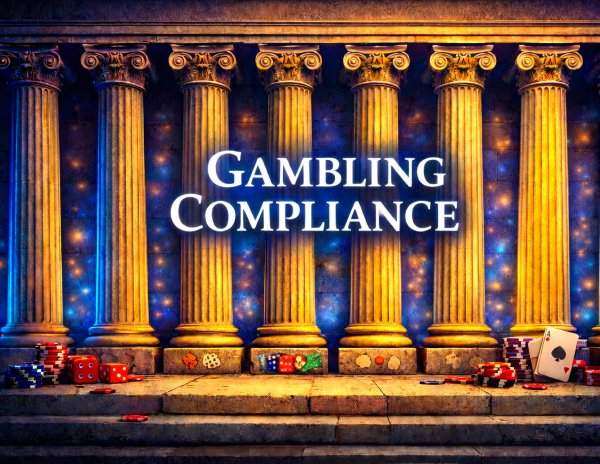
HighCraft Legal outlines key compliance priorities for gaming operators, emphasising that strong regulatory adherence can help businesses operate legally and stay competitive in Tanzania’s expanding gaming market.
Tanzania.- Tanzania’s legal advisory firm HighCraft Legal emphasises that following the seven pillars of compliance gives gaming operators a legal foundation and a competitive edge in the country’s expanding gambling market.
According to the firm, staying compliant is essential not only to operate legally but also to protect players and maintain trust as the sector grows. HighCraft Legal said: “For gaming companies, staying compliant is non-negotiable to operate legally, avoid penalties and build trust.”
Tanzania’s gambling sector – including casinos, sports betting, lotteries and online gambling – is regulated by the Gaming Board of Tanzania (GBT) under the Gaming Act Cap. 41 R.E. 2023, alongside supporting regulations such as the Internet Gaming Regulations 2022. “Non-compliance risks licence suspension or revocation, fines, or closure”, added HighCraft Legal.
Key compliance areas
HighCraft Legal highlighted the seven core areas operators must focus on to meet regulatory expectations:
- Licensing and renewal: Operators must obtain the appropriate licence from the Gaming Board of Tanzania for activities such as casinos, sports betting or online gaming. Licences must be obtained from the Gaming Board of Tanzania and maintained in accordance with regulatory requirements, with operators required to provide updated documentation, fees and proof of continued eligibility.
- Fit and proper requirements: Directors and shareholders holding 5% or more must pass vetting checks, including demonstrating no convictions for fraud or dishonesty and no prior licence denials or revocations.
- Operational standards: Operators must use certified games, equipment and software. For online operators, primary servers must be located in mainland Tanzania unless the regulator grants an exception. Operators must also maintain suitable premises and robust internal controls.
- AML/KYC and responsible gaming: Operators are expected to implement Anti-Money Laundering policies, player verification procedures and responsible gaming measures such as self-exclusion and harm-prevention tools.
- Data protection and cybersecurity: Compliance with Tanzania’s Personal Data Protection Act 2022 is required, alongside maintaining secure systems.
- Tax and financial obligations: Operators must pay gaming taxes, including taxes on gross gaming revenue, withholdings on winnings and submit audited financial statements annually.
- Ongoing compliance: Operators must cooperate with Gaming Board inspections, report operational changes promptly and assist law enforcement when required.
Compliance as a competitive edge
In Tanzania’s rapidly expanding gaming market, HighCraft Legal notes that strong compliance goes beyond regulatory requirements. “In a fast-growing market, strong compliance isn’t just regulatory; it’s a competitive edge and protects players,” said the firm
For operators entering or expanding in Tanzania, prioritising these compliance pillars can help ensure legal certainty, strengthen player trust and position businesses for sustainable growth in the country’s evolving gaming sector.