Hemingway’s Casino says some players gamble to cover payday shortfalls


The East London operator says some patrons are turning to gambling in the hope of covering expenses before their next payday.
Key takeaways
- Hemingway’s Casino said some patrons increasingly gamble to cover financial shortfalls rather than for entertainment.
- Avishka Rastafniran, general manager at Hemingway’s Casino, linked the issue partly to the spread of illegal gambling operations.
- Hemingway’s Casino has not separately measured the impact of illegal gambling on its revenue, employment or investment.
- The casino points to online betting, reduced disposable income and wider economic pressures as challenges for land-based operators.
A licensed casino in East London says some customers are increasingly gambling to cover expenses before payday rather than for entertainment, a trend it partly links to the spread of illegal gambling. The comments came as the Eastern Cape Gambling Board destroyed 314 illegal machines seized across the province.
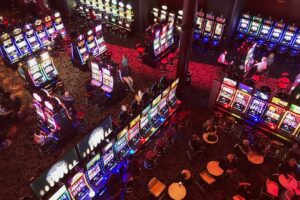
South Africa.- Hemingway’s Casino, a licensed gambling operator in East London, South Africa, has observed a change in how some patrons approach gambling, with customers increasingly viewing it as a way to address financial shortfalls rather than as entertainment.
Speaking during an Eastern Cape Gambling Board (ECGB) enforcement event on November 16, Avishka Rastafniran, the casino’s general manager, said some patrons arrived hoping to win money to meet expenses before their next payday. He said the trend contrasted with the approach promoted by licensed casinos, which position gambling as a form of entertainment, and warned that it could increase the risk of gambling-related harm.
Rastafniran linked the issue partly to the spread of illegal gambling operations, which he said exposed communities to unregulated gambling environments without the player protection measures available at licensed premises. He said Hemingway’s Casino operates a self-exclusion programme that allows customers to voluntarily exclude themselves from gambling, with controls to prevent them from returning during the exclusion period.
He added that illegal gambling operations risked damaging the reputation of licensed operators by blurring the distinction between regulated and unregulated gambling premises. Rastafniran said the casino had not separately measured the impact of illegal gambling on its revenue, employment or investment, as it was difficult to isolate from other pressures on the land-based sector, including the growth of online and sports betting, reduced disposable income and broader economic conditions.
His comments came as the ECGB destroyed 314 illegal gambling machines seized across 23 towns and localities as part of efforts to curb unlicensed gambling and protect the integrity of the province’s regulated market.
Frequently asked questions (FAQs)
- What player protection measures does Hemingway’s Casino offer? It operates a self-exclusion programme that lets customers voluntarily exclude themselves, with controls to prevent them from returning during the exclusion period.
- How many illegal gambling machines did the Eastern Cape Gambling Board destroy? 314 machines seized across 23 towns and localities, destroyed on November 16, 2026.