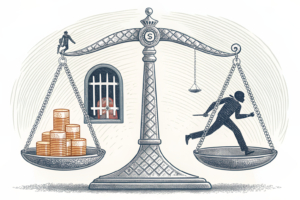


Ghana mandates biometric verification for all gambling activities
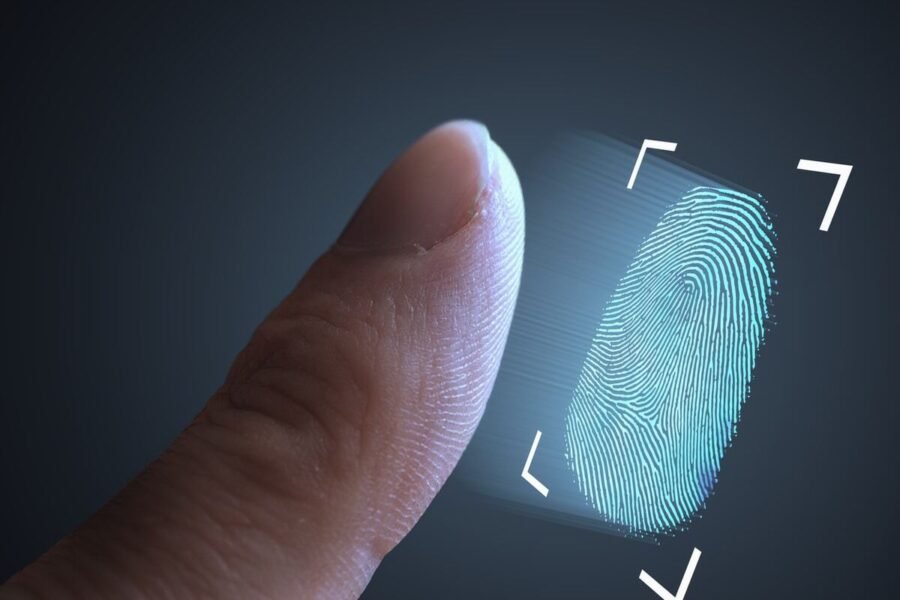

The Commission warns that failure to comply with the regulation will attract serious consequences, including licence suspension and non-renewal.
Ghana.- The Gaming Commission of Ghana has introduced a regulatory directive requiring biometric identity verification for every individual engaging in any form of gaming across the country. The policy, which takes immediate effect, applies to online and retail sports betting, casino operations and promotional gaming schemes.
Under the new rule, all licensed gaming operators must link their identity verification systems with the National Identification Authority (NIA) database. Authentication will be carried out through fingerprint or facial recognition at two points: when placing a bet and when collecting winnings. The Ghana Card, issued by the NIA, will serve as the sole legally recognised form of identification under Legislative Instrument (L.I.) 2111, with no manual or alternative electronic identification methods permitted.
According to Emmanuel Siki Quainoo, acting commissioner of the commission, the policy aims to protect the gaming industry from criminal exploitation while ensuring responsible participation.
The notice sets strict deadlines: Operators have 14 days to submit integration plans and 30 days to complete biometric access system testing and deployment.
The directive states: “To this end, all licensed operators are directed to immediately begin onboarding with the NIA. The Commission expects confirmation of integration plans within fourteen (14) days from the date of this communication, and completion of biometric access system testing and deployment within thirty (30) days.”
The Commission warns that failure to comply with the regulation will attract serious consequences, including licence suspension and non-renewal. The regulator added: “Compliance with this directive is being actively monitored, and the outcomes will form part of each operator’s operational audit.”
Authorities say the initiative is designed to eliminate underage and fraudulent participation in gaming by preventing impersonation and the use of false identities. It also aims to strengthen the integrity of financial systems in the gaming sector, which has been increasingly vulnerable to money laundering and illicit cash flows.
The policy is also expected to support responsible gaming practices. With verified biometric identities, operators will be able to track betting patterns, enforce limits and apply exclusion measures for vulnerable or self-excluded players. This move aligns with Ghana’s national digital policy, which promotes identity-based systems across regulated sectors to enhance accountability and service quality.
Gaming operators have been urged to work closely with the NIA Technical Services Unit for support in meeting integration requirements and ensuring full compliance within the stipulated timelines. In Kenya, the Betting Control and Licensing Board (BCLB) is also considering introducing a selfie requirement as part of its user registration process for online platforms to prevent underage gaming.