


Gambling industry praises President Tinubu’s rejection of Central Gaming Bill, unlocking growth for Nigeria’s gaming market
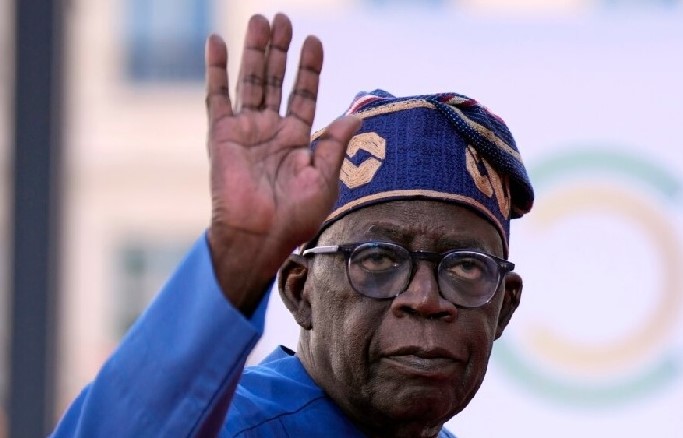

President’s decision strengthens state-level regulation, providing clarity, operational certainty and growth opportunities for 2026.
Nigeria.- Nigeria’s gambling and igaming sector has welcomed President Bola Ahmed Tinubu’s rejection of the Central Gaming Bill. The decision is being hailed by industry leaders and operators as a major victory for state-level regulation and a catalyst for growth in 2026.
At a recent APC National Executive Committee meeting, Tinubu refused to sign the Central Gaming Bill, which sought to centralise regulation of gaming, lotteries and online betting under a federal authority. He reaffirmed that oversight remains with individual states, in line with a 2024 Supreme Court ruling. Experts say this gives operators legal clarity, operational certainty and a stable framework for investment in Nigeria’s fast-growing digital gaming market.
Industry platform and igaming hub iBet Africa described Tinubu’s decision as a turning point for Nigeria’s iGaming market. iBet Africa said: “Tinubu’s decision will reshape how investors, operators and suppliers approach Nigeria going into 2026. Gaming and lottery regulation belong to the States, not a single federal authority. For anyone looking to enter, scale or invest in Nigeria’s iGaming market, understanding what is now required legally and operationally is no longer optional.”
iBet Africa emphasised that companies must now engage closely with state regulators, build local partnerships and ensure full operational compliance to thrive under the new state-led framework.
Experts back states as gaming regulators
Even before Tinubu’s rejection, legal authorities had criticised the Central Gaming Bill as overreach. Obinna Akpuchukwu, senior partner at Allen and Marylebone, said: “The Central Gaming Bill, if passed, would be unconstitutional. The proponents’ claim that it regulates online or remote gaming beyond the National Lottery Act is, with respect, unfounded. The nullified National Lottery Act already covers land based, online and remote gaming, and the Supreme Court made no distinction between them.”
The Federation of State Gaming Regulators of Nigeria (FSGRN) had opposed the bill, citing the constitutional division of powers and the 2024 Supreme Court judgment that gaming and lottery regulation belongs to states, not the federal government.
Civil society organisations, including the Coalition for Good Governance, described the legislative attempt as a “voyage of legislative rascality, recklessness and lawlessness”, warning that any federal takeover of gaming regulation would violate judicial authority.
With Tinubu’s rejection, state authorities are now firmly positioned as the definitive regulators, compelling operators to engage directly with state agencies for licensing, reporting and compliance, and to build strong regional partnerships with service providers and legal experts.
Industry analysts predict that 2026 could see state-led innovation in licensing, compliance and promotional frameworks, with proactive states attracting investment. Operators must review and align operations with state-specific rules to avoid penalties.
While the political debate focused on constitutional powers, the market is ready for growth, with states expected to strengthen oversight, enhance coordination and provide clear guidance, creating a legally compliant and commercially attractive framework for gaming and lottery businesses nationwide.