

Gambling generates N$948m for Namibia in 2025


Smartphone use, now above 70 per cent, has also played a part in the growth by making access easier for many Namibians.
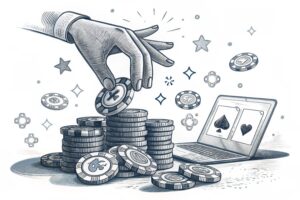
Namibia.- In 2025, Namibia’s gambling industry met projections of generating N$948m (€48.3m) in total revenue, according to data from Statista. The bulk of the revenue came from land-based casinos, which contributed around N$373.8m (€19.1m) annually. This figure highlights the sector’s role in the economy, driven by established casinos and emerging online platforms.
Six licensed casinos operate in the country, housing 2,845 gaming machines, while 254 gambling venues are managed by about 260 approved operators. These physical sites attract urban tourists and local players, with more than 450,000 active participants engaging in games across the nation. Smartphone use, now above 70 per cent, has also played a part in this growth by making access easier for many Namibians.
Online gaming added N$26.7m (€1.4m) to the total in 2025, with Statista forecasting a 7.68 per cent annual growth rate through 2030. The segment’s rise reflects better internet availability and a shift toward mobile betting, allowing people like young professionals in Windhoek to place bets on the go.
The industry’s growth is also a result of stricter regulations introduced by the Gaming and Entertainment Control Act of 2018, effective December 2021. Since then, authorities have shut down more than 280 illegal operations, redirecting business to licensed sites that contribute 10 per cent of revenue to the government. This has brought in funds for public use, while operators benefit from a more stable market.
Looking ahead, the Lotteries Board of Namibia plans to introduce the country’s first state lottery within the next year or two, as part of the Sixth National Development Plan. The board expects this to yield more than N$100m (€5.1m) by 2030, with proceeds going to a trust fund for youth programs and other initiatives.
However, the growth raises questions about its effects on individuals. Lawmaker Pohamba Shifeta has pointed out risks, noting: “Some people borrow money for gambling. We need to educate our people that borrowing to build or invest is the only way, not for gambling.” Household debt in Namibia reached N$68.5bn (€3.5bn) early in 2025, with some linking part of this to betting habits.
Regulators aim to balance economic gains with measures to promote responsible play, such as awareness campaigns and school activations.