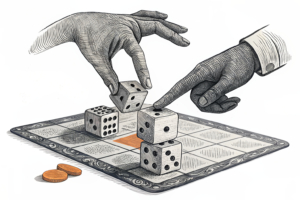


Experts sound alarm on Ghana’s decision to scrap betting tax
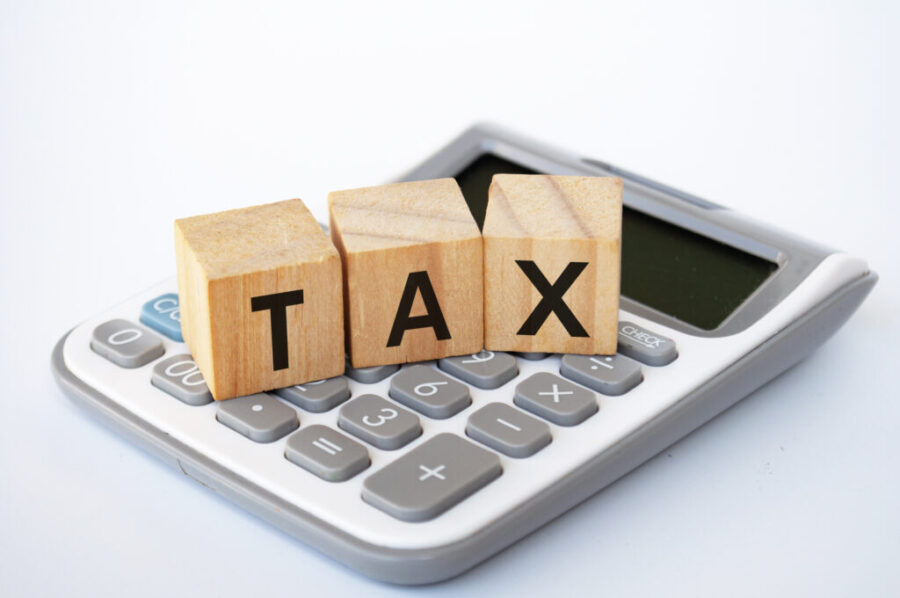
The betting tax was established to boost revenue and curb excessive gambling.
Ghana.- President John Mahama of Ghana has abolished the betting tax through a series of bills he signed into law on April 1. While this decision has been met with widespread applause, some experts have warned that it may come with unintended consequences.
Critics, particularly the Institute of Economic Affairs (IEA), warn that the move could lead to potential revenue losses for the government.
According to the IEA, the betting tax, which charges a 10% withholding fee on all gaming winnings, was a substantial revenue stream for the government, and its removal may worsen Ghana’s fiscal difficulties.
An earlier study by KPMG lends credence to this concern, estimating that the government stands to lose around ghs 6.4 billion (€382.5m, $410m) in revenue if the betting tax, e-levy and covid-levy are abolished.
The IEA also cautions that the removal of the betting tax may lead to a rise in gambling, particularly among young people, which could result in gambling addiction and related social issues.
The IEA argued that when the government introduced the betting tax in August 2023, it aimed to boost revenue and reduce excessive gambling. However, repealing the policy defeats these objectives.
Supporters of the tax repeal contend that the betting tax does not effectively address the underlying causes of gambling addiction.
Government officials claim the move will relieve the financial strain on Ghanaian bettors, boost the gaming sector and attract investment.
Now that the betting tax has been eliminated, one can expect gambling activity to surge in Ghana as the country’s betting market grows and attracts new international operators.
The government can offset the social consequences of the tax repeal by implementing policies that promote responsible gaming, player protection and social welfare.
By Focus Gaming News Editorial Team