

East African regulators tighten rules as gambling sector expands
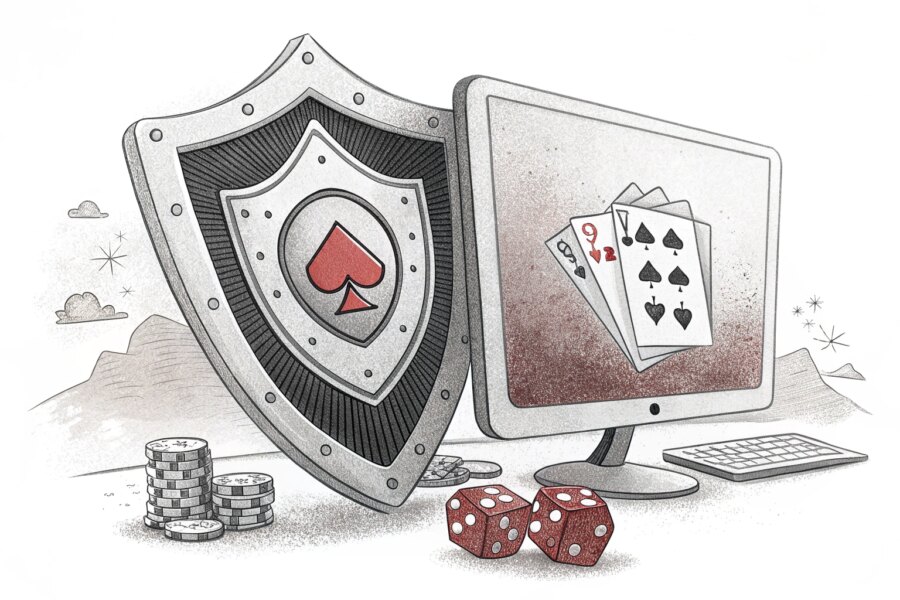

Governments aim to collect taxes for public use, protect users from fraud and prevent problems such as addiction among young people.
Kenya.- Several East African countries are leading the region in creating frameworks that support industry development while protecting consumers. Kenya, Tanzania and Uganda have been at the forefront of these initiatives, with regulators implementing licensing, taxation and monitoring to manage a sector driven by mobile technology and a youthful, betting-savvy population.
In Kenya, the government passed the Gambling Control Act in 2025, replacing a law from 1966. The new rules, signed by President William Ruto, established the Gambling Regulatory Authority to handle licensing and oversight.
Operators now receive three-year licences by default, must report details on games such as crash betting, and are required to maintain a minimum of 30 per cent local ownership. The act also sets a minimum bet of 20 Kenyan shillings to limit small wagers, with fines of up to 5m shillings or jail terms for violations. The new regulations followed concerns over advertising, leading to a 30-day ban on gambling adverts in April 2025.
In 2019, Tanzania introduced updates to its Internet Gaming Regulations. The Gaming Board of Tanzania (GBT) oversees online casinos and sportsbooks, taxing gross gaming revenue at 25 per cent. This has allowed companies such as SportPesa and Premier Bet to operate, using mobile payments including M-Pesa and Tigo Pesa to reach users in cities and rural areas.
The Lotteries and Gaming Act of 2016 regulates online betting in Uganda, with enforcement handled by the National Lotteries and Gaming Regulatory Board. Licences cost $2,700 (€2,484) for sportsbooks and $4,000 (€3,680) for casinos, with a 20 per cent tax on gross revenue and 15 per cent withheld from winnings. In 2025, the board accredited laboratories such as GLI Africa for software testing to meet global standards. According to estimates, Ugandans spend more than $40m (€36.8m) a year on gambling.
At the inauguration of the new National Lotteries and Gaming Regulatory Board in 2025, Uganda’s Minister of Finance, Matia Kasaija, said the government recognises the gaming sector’s role in generating non-tax revenue and promoting responsible gambling.
Ethiopia introduced tax changes in 2025 under Proclamation 1395, applying rates of 20 per cent to 25 per cent on winnings and 15 per cent on turnover to boost government revenue. However, a December 2025 announcement reportedly ordered all betting companies to close immediately, signalling a possible full ban.
The regulations were prompted by the surge in betting, fuelled by affordable smartphones and services such as mobile money. Governments aim to collect taxes for public use, protect users from fraud and prevent problems such as addiction among young people.
The framework has delivered higher revenues for governments, with countries such as Tanzania and Kenya benefiting from tax and fee income while also creating jobs in operations and technology. However, a blanket ban like the one taking shape in Ethiopia may stall industry growth and shift activity to unregulated platforms.