

DRC opposition leader calls for GGR tax instead of players’ winnings levy
Delly Sesanga wants gambling operators taxed on gross gaming revenue as the Finance Ministry tightens oversight and the government’s US$1.6bn market estimate comes under scrutiny.
DRC.- Democratic Republic of the Congo (DRC) opposition politician and leader of the Envol political party, Delly Sesanga, has called for gambling operators to be taxed on gross gaming revenue (GGR) rather than players’ winnings, as the government continues to tighten oversight of the sector.
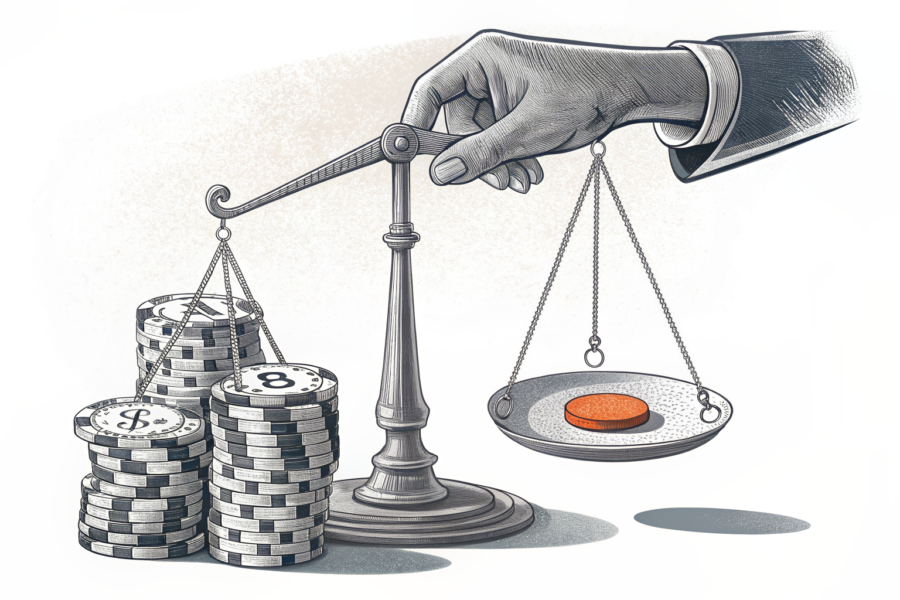
In a political statement made public on September 4, Sesanga called for the removal of the 10 per cent ad valorem tax on gambling winnings and argued that taxation should focus on the economic value generated by operators. He said the state should “tax the activity, not your winnings” according to Mbote.
Sesanga proposed using the Produit Brut des Jeux (PBJ), or GGR, as the tax base. This represents the difference between stakes collected and winnings paid to players. He argued that this would distinguish genuine operator revenue from money moving through players’ accounts. He said: “A deposit is not income. A withdrawal is not a profit. A movement of money is not necessarily the creation of wealth.”
The comments came days after the Finance Ministry warned gambling operators against responding to payment demands, tax notices or inspections from services that are not legally authorised to act in the sector. The ministry said the General Directorate of Administrative, Judicial, State Property and Participation Revenues (DGRAD) had been instructed to identify and cancel irregular payment notices, with administrative, disciplinary or criminal sanctions possible in cases of non-compliance.
The warning followed an August dispute over regulatory authority. On August 21, the Ministry of Sports and Leisure announced a nationwide inspection of gambling operators. On August 27, the Finance Ministry said regulation of gambling and lottery activities fell exclusively under its authority, citing the December 2025 presidential ordinance and the Finance Law.
Correct economic measure required
The government has cited a figure of more than US$1.6bn for the Congolese gambling sector. Sesanga did not reject the figure but questioned what it represents, asking whether it refers to player deposits, total stakes, winnings redistributed or GGR. He argued that establishing the correct economic measure is important before determining the appropriate tax base.
Sesanga also argued that weak public revenue from gambling could reflect clandestine operators, under-reporting, fraud and gaps in enforcement and collection rather than simply insufficient taxation. He called for operators to be identified, approved and controlled before the state measures flows and collects the relevant levies, according to Ouragan,
He also raised concerns about the planned centralised monitoring system (CMS), calling for greater transparency around its financing, technical provider and contractual arrangements. Reporting on his statement says he questioned whether a fee linked to player deposits and withdrawals could become an additional burden on the public.
Sesanga stressed that he was not opposed to gambling taxation itself. He added: “Yes to taxing gambling. Yes to a fair contribution from operators. Yes to fighting illegal gambling. But no to a tax system that taxes everything that moves.”
The current tax framework dates back to earlier stages of the reform. In March 2026, the Finance Ministry reiterated obligations covering an annual tax linked to operating authorisation and an ad valorem tax on players’ winnings. It set a July 31 deadline for operators to identify themselves, ahead of the end of the pilot phase on August 30.
The Finance Ministry had not publicly responded to Sesanga’s proposal, according to Betting Companies Africa.