


Cameroon’s new 3% foreign digital tax brings offshore gambling platforms under the spotlight
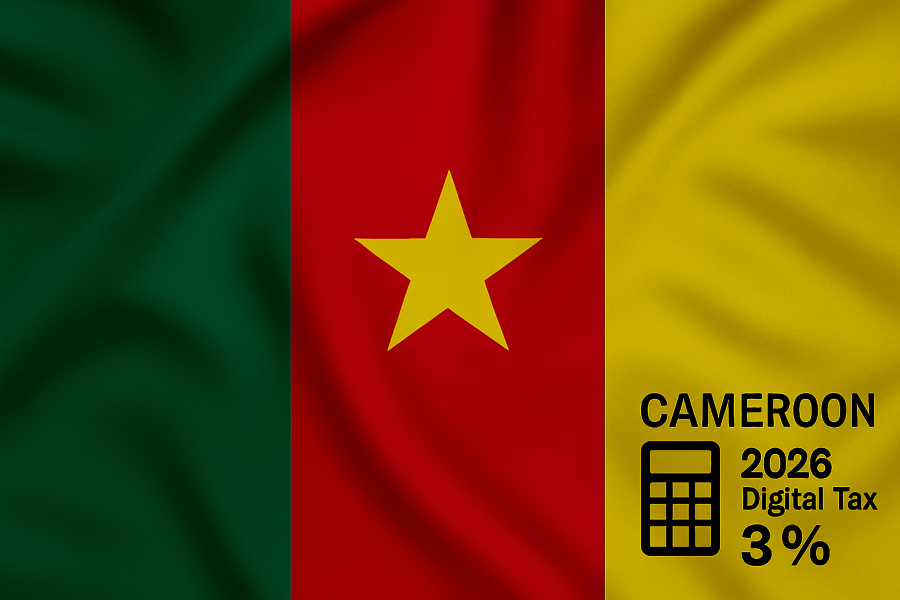
Online casinos and sportsbooks serving Cameroonian players now face revenue-based levy as 2026 Finance Law took effect.
Cameroon.- Cameroon has introduced a new 3 per cent digital tax that came into effect on January 1 2026, placing offshore online gambling platforms and sportsbooks under a fresh fiscal spotlight. The measure applies to foreign operators generating revenue from Cameroonian users without a local office and immediately affects casinos, betting sites and other online gaming services operating in the market and serving African players.
The Directorate General of Taxes (DGI) confirmed the measure, stating that affected foreign digital companies will pay “corporate tax at a minimum rate of 3 per cent on revenue generated in Cameroon”, according to Business in Cameroon. Platforms with larger operations may later move to a “standard regime, under which corporate tax is set at 30 per cent of taxable profit”, according to the DGI.
A platform is considered to have a significant economic presence if it has at least 1,000 users in Cameroon or earns annual pre-tax revenue of CFA50m (€76,225) locally. This threshold brings many offshore operators, including internet-based casinos and sportsbooks, under the tax net even without formal local offices.
Digital tax contributes to revenue
The DGI clarified that the law covers “digital platforms providing services to Cameroonian users despite having no physical establishment in the country”. For these operators, the revenue-based levy applies to turnover rather than profit, creating a direct cost for doing business in Cameroon.
The DGI added: “The purpose of the reform is to capture value generated by the digital economy in Cameroon, ensure tax fairness toward local companies and increase state revenue in a fast-growing sector.” Officials also confirmed that registration, tax declarations and payments will be handled through a dedicated digital platform, tightening oversight of foreign operators.
The new tax is part of a broader digital fiscal strategy. Past measures include VAT on online business operations introduced in 2021, custom duties on e-commerce imports implemented in 2023, and a 2022 tax on electronic money transfers, projected to generate at least CFA20bn (€30.5m) annually. Since 2024, individuals earning via digital platforms have also been subject to a reduced non-commercial profits tax rate of 5 per cent, further expanding Cameroon’s digital tax base.
As of the start of 2026, the new fiscal rules are in effect, and online gambling and other digital platforms are adjusting to the revenue-based levy. The start of the year marks a clear shift in regulation and costs for platforms serving Cameroonian users, signalling a new era of accountability in the digital economy.