


Angola’s land-based betting outpaces online platforms, driving a 274% market jump

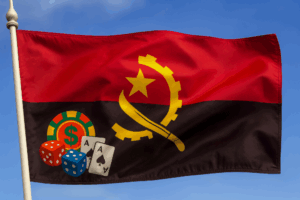
Physical outlets including kiosks, lotteries and shop-based venues are fuelling Angola’s betting boom, while online revenue declines 54 per cent in Q3 2025, highlighting the enduring appeal of in-person gaming.
Angola.- Angola’s land-based betting market outpaced online platforms in the third quarter of 2025, with physical outlets including kiosks, lotteries and shop-based venues surging 274 per cent, rising from Kz1.267bn (€1.18m) in Q3 2024 to Kz4.734bn (€4.43m) in Q3 2025.
This growth was cited in official data from Angola’s Institute for the Supervision of Gaming (ISJ), highlighting the strength, resilience and wide appeal of in-person gaming. ISJ data, referenced in a Revista Outside report, states: “Angola is moving in the opposite direction to global digital trends: physical and territorial betting exploded 274 per cent in the third quarter of 2025, while remote gaming revenues collapsed 54 per cent over the same period.”
The report also highlighted the enduring appeal of in-person gaming. “Territorial physical games – kiosks, lotteries and shop-based outlets – jumped from Kz1.267bn (€1.18m) to Kz4.734bn (€4.43m), confirming an overwhelming preference for in-person betting.”
Online betting, by contrast, fell 54 per cent over the same period, dropping from Kz2.047bn (€1.91m) in Q3 2024 to Kz933m (€870,000) in Q3 2025. Tax collections from online platforms also declined sharply, with prize taxes down 70.7 per cent (from Kz602m (€563,000) to Kz176m (€164,000)) and gross-revenue tax falling 47.6 per cent (from Kz1.445bn (€1.35m) to Kz756m (€706,000)).
Cash and kiosks power betting market
Total licenced-gaming receipts in Q3 2025 exceeded Kz6.835bn (€6.39m), reflecting continued fiscal growth and the dominant contribution of physical outlets to the market. This total includes additional licensed gaming activities beyond standard online and territorial revenue.
The advantages of physical betting contributed to the surge. The report said: “It does not require an internet connection, as all wagers are placed in person. Payments are made in cash, so no bank card is needed, and players can rely on physical trust, with each kiosk staffed by a person and providing a paper receipt for every bet.”
The network of territorial outlets is extensive, with 257 locations operated by four companies across popular neighbourhoods. The report added: “Betting is also highly accessible, with minimum wagers ranging from Kz100 (€0.09) to Kz500 (€0.47), compared with Kz1,000 (€0.94) to Kz2,000 (€1.87) for online platforms.”
High mobile-data costs, limited connectivity and regulatory requirements continue to favour cash-based, in-person betting, making physical outlets the backbone of Angola’s gaming market.
The trend underscores a clear lesson for operators and regulators in Angola and across African markets, according to the report, that digital-first strategies may not always succeed where connectivity, data costs and consumer trust in cash-based systems remain critical. Experts suggest hybrid models, combining territorial outlets with mobile-friendly, low-data digital platforms, could capture both in-person and online audiences.
As Angola’s betting market evolves, physical outlets are leading the charge, redefining the country’s gaming economy and demonstrating the importance of local context in shaping consumer behaviour.