Willem van Oort: “If gambling became more normalised, players might naturally gravitate toward licensed operators”
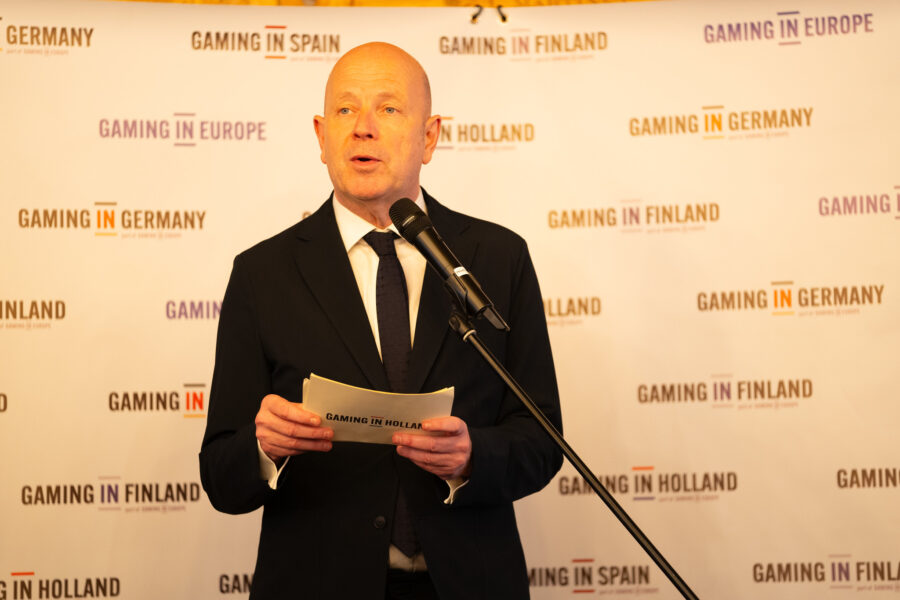
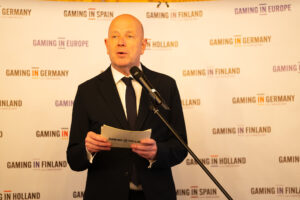
Ahead of this year’s Gaming in Holland Conference, its founder, Willem van Oort, discusses the Dutch market’s regulatory outlook, the industry’s growing concerns about offshore competition, and why he believes stronger cooperation between operators and regulators will be key to reclaiming market share.
Interview.- Ahead of the upcoming Gaming in Holland Conference, Willem van Oort shared his perspective on the current state of the Dutch regulated gambling market, the challenges posed by offshore operators, and the regulatory changes expected to reshape the industry in the months ahead.
In the interview, van Oort outlines what attendees can expect from this year’s event, including presentations from major operators, regulators, and market analysts. He also discusses Gaming in Holland’s new “Reclaim the Market” initiative, the potential introduction of B2B licensing, and the importance of making regulated gambling products more attractive to consumers to curb black-market growth.
What can attendees expect from this year’s conference?
As in previous years, the Gaming in Holland Conference will bring together the leading decision makers from the Dutch regulated gambling industry. Licensed operators, regulatory representatives, and key stakeholders from across the sector will all be in attendance.
This year’s speaker lineup includes the CEOs of Nederlandse Loterij and Holland Casino. In addition, FDJ, the new owner of Unibet, will be represented by a senior executive who will discuss the company’s perspective on the current Dutch market landscape.
The Netherlands Gambling Authority will also contribute two separate presentations: one focused on the regulator’s approach to upcoming legislation, and another dedicated to its new approach to player protection.
Alongside an extensive conference agenda, attendees will have plenty of opportunities to network and connect with industry leaders – including during the event’s traditional boat tour through Amsterdam’s iconic canals.

Apart from these highlights, are there other sessions you are looking forward to?
Like other years, H2 Gambling Capital will be sharing its latest growth projections of the Dutch market. This always offers a solid departure point for other discussions.
I am also looking forward to the presentation by Blask, which will offer an in-depth look at what kind of games Dutch players are interested in, as well as which game categories are featured prominently by both licensed and unlicensed operators. Do player demand and operators’ offerings actually match up? We will find out at the Conference.
Even more importantly, the Dutch government is expected to imminently publish a specific set of proposals to amend the Remote Gambling Act – including cross-operator deposit limits, an increased minimum age for high-risk games of chance, and much more.
Right now, we still think this will happen before this year’s conference kicks off. In that case, we will be hearing directly from the regulator how exactly the rules will change.
In addition to these specific sessions, tell us a little bit more about the idea behind Gaming in Holland’s new “Reclaim the Market” mission statement.
As is often the case in regulated markets facing stricter compliance measures, the Dutch regulated igaming sector has seen market share shift towards increasingly aggressive offshore operators. This is a trend we want to halt – and ideally reverse. That ambition is at the heart of our “Reclaim the Market” initiative.
The good news is that licensed operators collectively possess a considerable amount of market power, enabling them to apply meaningful pressure on suppliers, payment providers, marketing affiliates, and other service providers that continue to facilitate the day-to-day operations of offshore operators. The key challenge lies in coordinating these efforts effectively so that this influence delivers tangible results.
Regulatory involvement is also essential. Neither licensed operators nor regulators benefit from the continued growth of the offshore market, making this an area where all parties share a strong common interest.
Looking a bit further ahead, what do you think is necessary to keep the black market in check long-term?
I think that B2B licensing will become inevitable. It will be a lot of work for regulators, but I am convinced that this is the only way to introduce a meaningful separation, as well as a qualitative difference between licensed and unlicensed offerings. Players can tell that the onshore product is not evidently superior, but we still expect them to accept lower RTP percentages due to the tax obligations and higher compliance burdens of licensed operators. While players generally prefer to play in the legal market, they will not do so at any price. That is just basic economics.
Even so, I believe the greatest opportunity for change lies in shifting societal attitudes towards gambling. In the Netherlands, for example, gambling is still generally viewed as somewhat taboo or socially questionable. In my view, that stigma can make it easier for players to drift towards illegal operators.
But what if gambling were treated as a fully legitimate and transparent form of entertainment? If it became more normalised and openly accepted, players might naturally gravitate towards licensed operators as the obvious and responsible choice.
That, I believe, is where significant progress can still be made.
By Focus Gaming News Editorial Team