Study links opening of Ontario gambling market to rise in ER visits
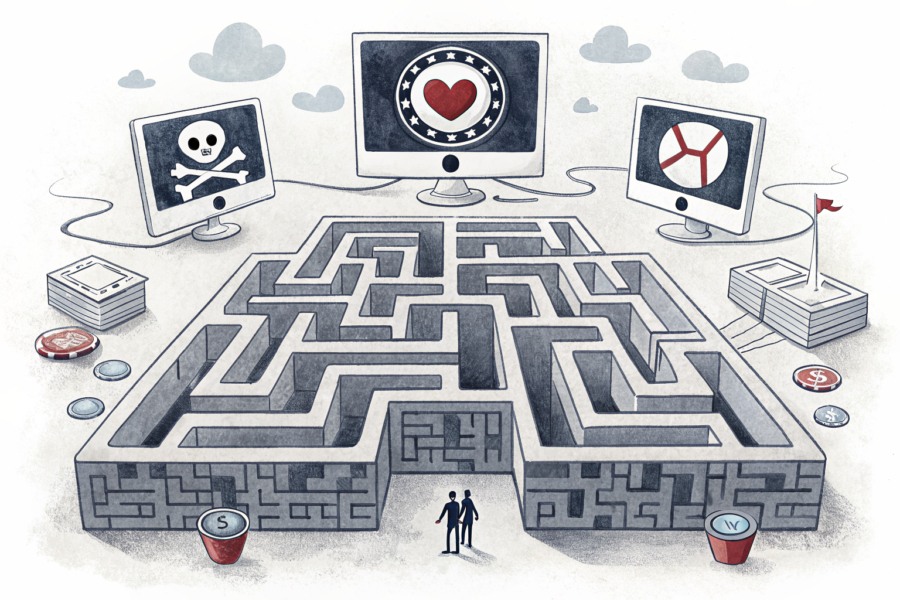
Hospital data shows an increase in gambling-related presentations, particularly among younger men.
Canada.- Gambling-related emergency department visits in Ontario have almost doubled since the province opened its online market to private operators, according to research from the University of Toronto. The study reviewed 14 years of hospital records up to 2025 covering patients between 10 and 105 years old.
Across the period examined, researchers found 757 people diagnosed with gambling disorders who accounted for 952 emergency department visits. Men represented almost three-quarters of the patients, with the strongest growth concentrated among those aged 10 to 29.
By the end of the period, gambling-related ER visits among males aged 10 to 29 were 154 per cent above the level that researchers would have expected if Ontario hadn’t expanded its online gambling market,Visits among men aged 30 to 44 were also higher than projected, reaching 116 per cent above the expected level, while researchers did not identify a comparable increase among women.
More than 70 per cent of the emergency visits involved another mental health condition or heavy substance use, and almost one-third ended with the patient being hospitalised. The findings, published in the American Journal of Preventive Medicine, follow previous research that recorded an increase in gambling-related contacts with ConnexOntario after the online market expanded.
According to the researchers, emergency departments provide a separate measure of gambling harm because they are not part of the support system promoted by betting operators or gambling advertising. This makes it less likely that greater awareness of treatment services alone explains the increase recorded in hospitals.
The study also pointed to low rates of treatment-seeking among people with gambling problems. Stigma may discourage people from seeking professional support, while those who eventually do seek help may already be experiencing significant health or social consequences.
The researchers said Ontario’s experience offers evidence for jurisdictions considering similar changes. They highlighted possible measures such as tighter controls on gambling advertising, restrictions on higher-risk products, and better identification and treatment of gambling-related problems.
The authors added that healthcare data captures only part of the population affected by gambling problems. Many people never seek medical assistance, meaning the increase seen in emergency departments may represent only a fraction of the wider impact of online gambling growth.
Ontario expanded its online gambling market in April 2022, several months after single-event sports betting became legal across Canada in August 2021. The province now has 83 regulated betting and gaming platforms run by 43 companies. Some 2.6 million player accounts wagered CAD 82.7 bn in 2024.