



Study finds young adults view sports betting as socially acceptable
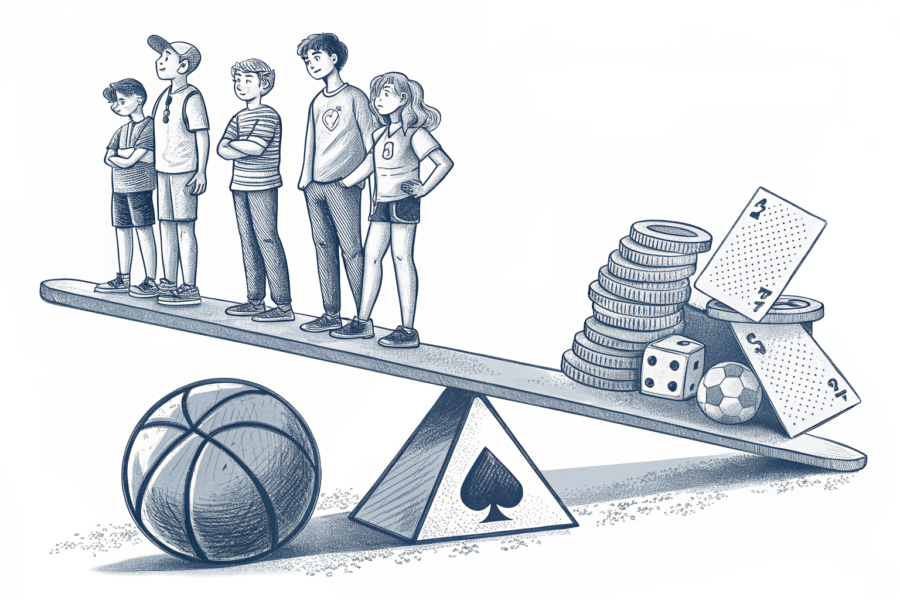
The research, funded by the Massachusetts Gaming Commission, identified a need for stronger education and safeguards.
US.- A study by NORC at the University of Chicago has examined how people aged 18 to 25 perceive sports betting in Massachusetts. Researchers found that participants generally described their gambling as casual and manageable, despite recognising the potential risks associated with the activity.
The three-year study was funded by the Massachusetts Gaming Commission and conducted with Gemini Research. It examined the impact of the expansion of retail and mobile sports betting following the passage of House Bill 5169 in August 2022. Researchers interviewed 62 people aged 18-25, alongside sports betting researchers, policymakers and vendors, as well as college counsellors, athletic directors and mental health clinicians.
Among respondents, 71 per cent had placed a sports bet. The proportion fell to 66 per cent of those aged 21-25 and 44 per cent of participants aged 18-20 despite the legal gambling age being 21.
Participants generally preferred simpler wagers such as moneyline bets and tended to avoid parlays and other more complex products. NORC researcher Katie Gallant said this preference differs from broader national trends, where prop bets and parlays have become increasingly popular.
The study also found that fantasy sports and prediction markets were familiar to participants, although traditional sports betting remained their preferred activity. Major sporting events, including the NFL Super Bowl, were identified as key drivers of increased betting activity.
Participants said they recognised gambling-related risks but often believed that they and their close friends were unlikely to experience them. Many also said sports betting advertising had contributed to normalising gambling, with promotions offering “free money” having a particular impact on young men from more modest backgrounds.
The research recommended statewide education and public awareness initiatives focused on gambling-related harm. It also called for efforts to address regulatory gaps that may allow underage gambling and potentially expose young people to greater risks later on.