ONLYPLAY on B2B partnerships: why an honest ‘no’ matters
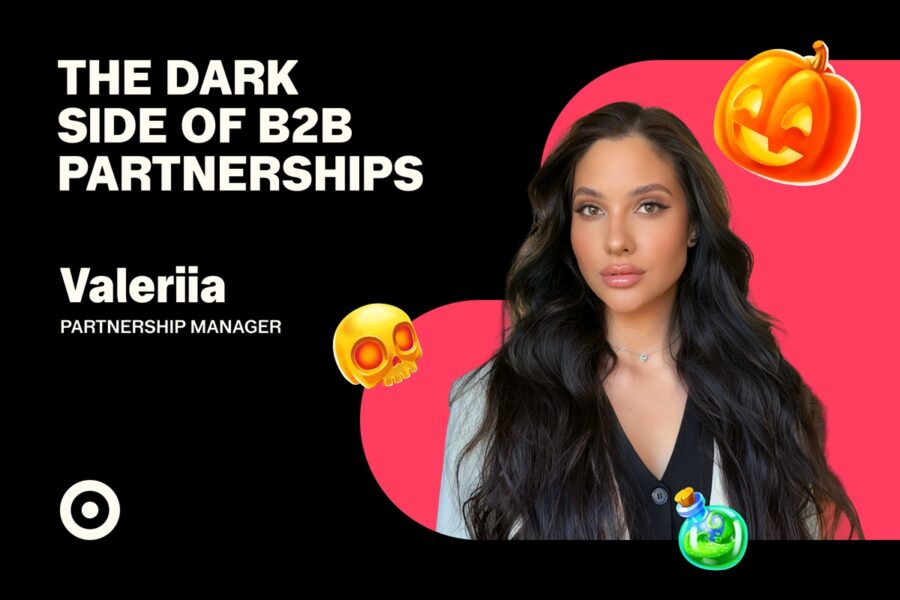

ONLYPLAY’s Valeriia Chmelova says priorities that drift unspoken do more damage than a refusal, and that operator feedback feeds back into the product.
Key takeaways
- Valeriia Chmelova, partnership manager at ONLYPLAY, says a good game is the baseline, and operators also judge providers on punctual information, on-schedule releases and fast responses.
- She identifies drifting out of sync as a common way a good partnership weakens, for example when an operator revises its KPIs, shifts market focus or deprioritises a product without telling the provider.
- ONLYPLAY’s analytics team identifies which games work better with different audiences and where a title has the strongest potential.
- Operator feedback on player behaviour, mechanics, themes and design has been used to improve results for individual partners, including GGR performance, and some of it has fed into product development.
- Chmelova does not see a clear “no” as the worst case. The warning sign is a relationship too closed for anyone to say it.
Press release.- In a good horror story, the monster takes its time. First, a floorboard creaks somewhere down the hall. Then the corridor light goes out. The protagonist notices a few red flags and shrugs them off, assuming everything is fine.
B2B suspense is less cinematic. Expectations begin to drift. A partner’s priorities change while the team is still working to the old plan. An awkward question gets pushed to the next call, then the one after that. On paper, the partnership is still moving. The warning signs are there.
For Valeriia Chmelova, partnership manager at ONLYPLAY, that quiet loss of alignment is far more concerning than a clear “no”. We spoke to her about what operators now expect from providers, how data and partner feedback shape the product, and why an honest disagreement can be much healthier than polite silence.
A good game gets you into the room
Product remains the first test. A game needs to work for the audience and deliver results for the operator. There is plenty of strong content on the market, though, so operators quickly start looking at everything around it. Does the information arrive on time? Do releases go live according to schedule? How quickly does the team respond to requests? Can the operator make plans knowing that an agreement will still hold a few weeks down the line?
As Valeriia explains: “Games that players enjoy and that deliver results are the baseline. But an operator’s impression is also shaped by how the team works, how well the processes are organised, how quickly we respond to requests and whether we deliver on what we agreed.”
That is where a provider’s reputation is built: in an email answered when it was needed, a release that did not have to be pushed back, or an issue resolved without turning into a three-day tour of internal departments.
The warning signs are usually quiet
Valeriia sees drifting out of sync as one of the most common ways a good partnership starts to weaken. Plans change. An operator may revise its KPIs, shift focus to another market, move a campaign or decide that a particular product is no longer a priority. The warning light comes on when one side is already working under a new set of conditions, and the other has not been brought into the picture.
“Different expectations and changing priorities are normal in business. What matters is how both sides deal with them. If changes aren’t discussed and you stop looking for solutions together, it gradually affects both performance and trust.”
A large part of partnership management is therefore about checking the context. Is the agreement from a month ago still relevant? Is this title still a priority? Has something changed inside the partner’s business? When those questions stop being asked, the lights in the conversation can start going out one by one.
Provider data meets operator experience
Long-term partnerships depend on understanding the partner’s business properly: who their audience is, which markets matter most and what content is already performing.
At ONLYPLAY, the analytics team helps identify which games work better with different audiences and where a particular title has the strongest potential.
The operator holds the other half of the picture. “The operator knows its audience from the inside, while we see the product from our side. The best decisions often come when those two perspectives meet.”
Valeriia recalls cases where operators shared observations on player behaviour, mechanics, themes and design. The team used that feedback to improve results for the individual partner, including GGR performance, and some of those findings later fed into product development.
“Good feedback from a live product can show you things that are difficult to see from your own side. A certain mechanic may work better, or a particular audience may respond differently. Those insights affect both the current work and the product decisions we make next.”
That exchange gives the provider a clearer view of real player behaviour, while the operator gets content informed by what is actually happening in its market.
What if the answer is “no”?
This is where the horror logic starts to break down. A direct “no” can be uncomfortable, but there is very little suspense in it. You have information to work with. An operator does not want a particular product. A partner is not ready to run an activity in the proposed format. The provider cannot meet the requested timeline. The useful next question is straightforward: what exactly isn’t working?
It might be the budget, resources, timing, market, audience or the format itself. Once both sides are clear about the constraint, the conversation can move towards another option.
Valeriia puts it this way: “You often see the strength of a partnership when the two sides disagree. It’s more useful to explain your position honestly, listen to the partner’s reasoning and see whether there is an option that works for both sides.”
Sometimes a compromise takes one call. Sometimes the idea gets parked. Sometimes both sides keep their original position. Any of those outcomes is easier to work with than an agreement one team already knows it cannot realistically deliver. So Valeriia does not see a clear “no” as the worst-case scenario. The more worrying moment comes when the relationship is no longer open enough for anyone to say it.
After an honest ‘no’, the next message in the chat is usually: “Okay. What would work instead?”
In a good horror story, silence behind a closed door is rarely reassuring. B2B has its own version of that tension: as long as another question follows the “no”, the conversation is still alive. The time to worry is when all you get back is silence.
Frequently asked questions (FAQs)
- What do operators expect from game providers besides a good game? They expect information to arrive on time, releases to go live as scheduled, quick responses to requests and agreements that still hold weeks later. According to Valeriia Chmelova, partnership manager at ONLYPLAY, a game that players enjoy and that delivers results is only the baseline.
- How can a B2B partnership in igaming start to weaken? Often through a gradual loss of alignment. An operator may change its KPIs, move focus to another market or deprioritise a product, and if the provider is not told, performance and trust suffer over time.
- How does operator feedback influence game development? Operators know their audience from the inside and can share observations on player behaviour, mechanics, themes and design. ONLYPLAY has used that feedback to improve results for individual partners, and some findings later informed product development.
- Why is a clear “no” useful in a business partnership? A direct “no” gives both sides concrete information to work with. Chmelova says the next step is to ask what exactly isn’t working, such as budget, timing, market or format, and look for an option that suits both.