
Study finds US veterans have higher problem gambling rates
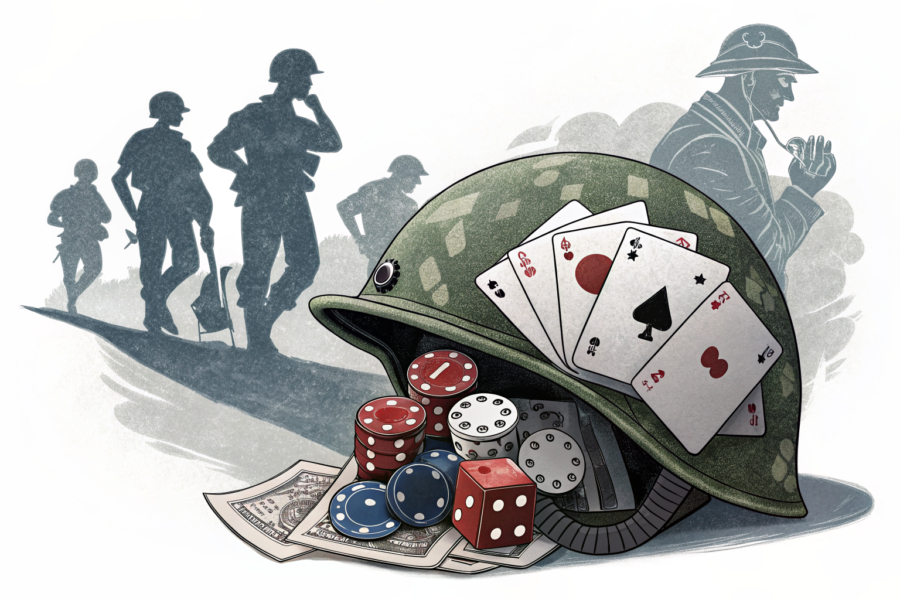
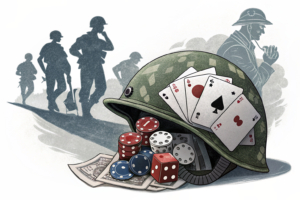
Veterans made up 20.6 per cent of problem gamblers in a Massachusetts study despite being just 3.7 per cent of the state’s population.
Key Takeaways
- A Massachusetts Gaming Commission-funded study, based on 43 veteran interviews across 25 cities and towns, found veterans face higher problem gambling rates than the general population.
- Veterans represented 20.6 per cent of respondents classified as problem gamblers in a Massachusetts population study, despite making up about 3.7 per cent of the Commonwealth’s population.
- The report calls veterans an “under-reached” population rather than a hard-to-reach one, recommending screening, peer-led programmes and confidential, low-barrier support pathways.
U.S.- A new Massachusetts report has examined how gambling affects veterans and the barriers that can prevent them from seeking help. The study, conducted by Technical Assent with the William Joiner Institute for the Study of War and Social Consequences at UMass Boston and funded by the Massachusetts Gaming Commission, draws on 43 interviews with veterans across 25 Massachusetts cities and towns, as well as two stakeholder focus groups.
The research found that veterans face higher levels of problem gambling than the general population, while gambling-related issues are not consistently identified within services that support them. The report also examined the financial, social and emotional effects of gambling and the role of military identity, relationships and trust in determining whether veterans seek assistance.
According to the report, veterans gamble for many of the same reasons as other people, but their experiences can be shaped by military culture and the transition out of service. Participants described an environment in which gambling can be normalised, while military norms around self-reliance and not showing vulnerability can make it harder to disclose problems.
The study also identified specific periods that can increase gambling risk, including deployment, the transition to civilian life and recurring VA compensation payments. For some veterans, gambling was described as a way of coping with emotional distress, mental health conditions, substance use or financial difficulties.
Existing research cited in the report found that veterans represented 20.6 per cent of respondents classified as problem gamblers in a Massachusetts population study, despite accounting for approximately 3.7 per cent of the Commonwealth’s population. National estimates cited by the researchers indicate that around 8 per cent of veterans and military populations experience problem gambling, compared with 1.4 per cent among adults overall.
The report found that financial problems are often the most visible consequence of gambling among veterans, with participants describing depleted savings and housing instability. However, the researchers also identified effects on relationships, self-esteem and emotional wellbeing that may remain hidden because of shame and concealment.
Not all participants experienced gambling harm in the same way. Some veterans developed their own safeguards, including spending limits, deleting gambling applications, self-exclusion, and peer accountability. Others addressed gambling indirectly while receiving treatment for other issues rather than seeking gambling-specific support.
The study also found that most participants had not been asked about gambling by VA providers, veteran service organisations or other professionals working with veterans, even when they regularly interacted with those systems. The researchers therefore identified screening in healthcare and community settings as one potential way to detect gambling-related harm earlier.
Peer support could improve access to help
The report said veterans are not necessarily a hard-to-reach population, but rather an “under-reached” one. Existing veteran organisations, healthcare services and community networks could provide points of contact, although the researchers said greater coordination and approaches designed around how veterans seek support are needed.
Participants indicated that trusted peers and community organisations can play an important role in engagement. The report recommends confidential and low-barrier pathways to support, along with peer-led programmes and outreach that take veterans’ experiences and identities into account.
The research is the first phase of a multi-stage project. The next phase is expected to develop and test potential solutions with veterans and community organisations before producing recommendations and implementation guidance.
Frequently asked questions (FAQs)
- Do veterans have higher rates of problem gambling than the general population? Yes. National estimates cited in the study put problem gambling at about 8 per cent among veterans and military populations, compared with 1.4 per cent among adults overall. In a Massachusetts study, veterans made up 20.6 per cent of problem gamblers despite being about 3.7 per cent of the state’s population.
- Why don’t more veterans seek help for gambling problems? The report cites military culture around self-reliance and not showing vulnerability, shame and concealment of financial or emotional harm, and the fact that most participants said they’d never been asked about gambling by VA providers or veteran service organisations.
- What periods increase gambling risk for veterans? The study identifies deployment, the transition to civilian life, and recurring VA compensation payments as periods of heightened risk.