


Louisiana lawsuit targets FanDuel and DraftKings betting apps
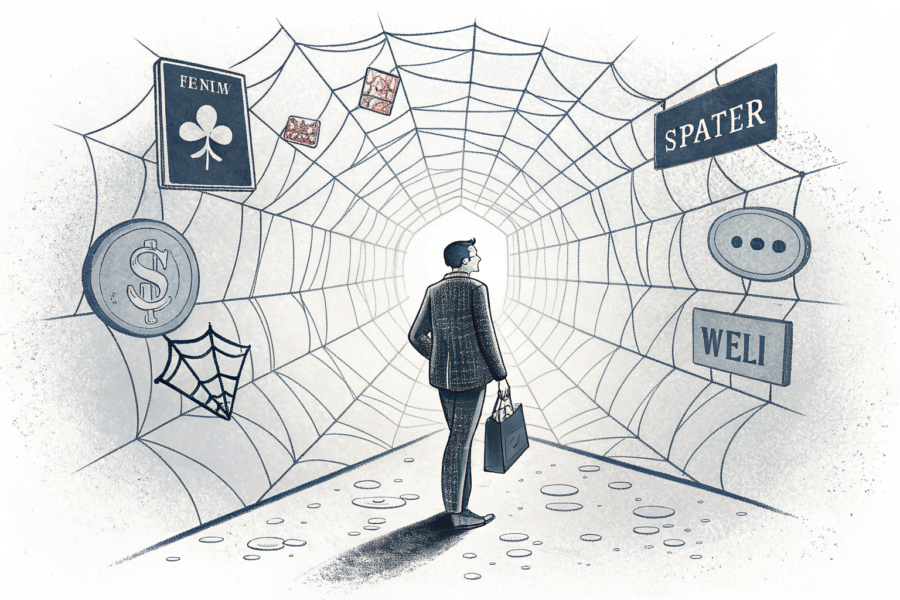
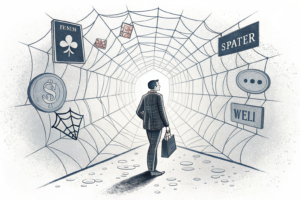
The plaintiffs say app features such as micro-wagering and overridable limits make it easier to keep betting. None of the claims has been tested in court.
Key takeaways:
- A 27-page lawsuit in Orleans Parish Civil District Court alleges FanDuel and DraftKings deliberately designed their mobile sportsbooks to encourage continued betting, including among customers experiencing gambling-related harm.
- Plaintiffs Adrian Payton, Toi Smith and Yolanda Perkins seek to represent Louisiana residents who used either app, and argue the apps are defective products under Louisiana’s product liability law.
- The complaint cites slot-machine-style micro-wagering, bonus bets allegedly offered at times of financial distress, and screens that let users override betting limits without a cooling-off period.
U.S.- A 27-page lawsuit filed in Orleans Parish Civil District Court alleges that FanDuel and DraftKings deliberately designed their mobile sportsbooks to encourage continued betting, including among customers experiencing gambling-related harm. The plaintiffs argue that the apps qualify as defective products under Louisiana’s product liability law, citing features they claim make it easier to gamble and harder to stop.
The complaint identifies Adrian Payton, Toi Smith and Yolanda Perkins, all residents of Orleans Parish, as the named plaintiffs. They seek to represent Louisiana residents who opened accounts, deposited funds and used either sportsbook’s mobile application. Amelia Belle Casino and Bally’s Baton Rouge are also named as defendants because their licences provide the regulatory basis for the apps to operate in the state.
The case focuses on alleged product design and customer targeting, rather than gambling losses alone. Among the features cited are slot-machine-style micro-wagering, bonus bets allegedly offered at times of financial distress, and screens that allow users to override betting limits without a cooling-off period. The complainants also allege that operators use customer data to identify vulnerable bettors and direct marketing towards them.
The filing states that an internet gaming company owned by FanDuel’s parent company collects at least 186 attributes for each bettor, including information related to their propensity to gamble and susceptibility to marketing. The plaintiffs contend that this type of data collection allows operators to identify customers who may be more likely to continue betting despite losses. These allegations have not been established by a court.
The complaint sets out accounts of the plaintiffs’ experiences. Payton alleges that FanDuel offered him bonuses and deposit matches to encourage betting, while the odds on his live wagers frequently changed after he submitted them. The filing puts the amount he covered through debit and credit cards at US$88,716.27 as of the date of filing.
Smith says she began using DraftKings and FanDuel at the age of 21 after seeing advertisements on Instagram and X. She alleges that she now spends at least four hours a day on the apps and has wagered more than US$23,500. Perkins is described in the complaint as a frequent parlay bettor, with approximately US$32,000 wagered through FanDuel and US$37,000 through DraftKings.
According to the complaint, FanDuel held 44 per cent of the state’s mobile sports betting market in 2023, while DraftKings accounted for 31 per cent. Together, they represented 75 per cent of the market. The complaint cites an estimate that 96 per cent of sports betting customers lose money, describing those losses as a natural deterrent to continued play. As such, “DraftKings’ and FanDuel’s business model requires them to find ways to keep customers betting even as they lose money and to recruit new bettors to their platforms,” the filing states. It alleges that the companies use promotions, artificial intelligence and app interfaces to maintain customer activity despite losses.
The plaintiffs are asking the court to refund the money they deposited in the two platforms, minus the winnings they already withdrew. They also seek compensation for alleged financial losses, severe mental distress and emotional hurt, disruption to family and domestic relationships, and costs associated with treatment for clinically diagnosed gambling disorders. The request also includes the return of certain commissions and transaction fees, attorney’s fees and litigation costs.
Frequently asked questions (FAQs)
- Who filed the lawsuit and who is being sued? Adrian Payton, Toi Smith and Yolanda Perkins, all of Orleans Parish, filed it. The defendants are FanDuel, DraftKings, Amelia Belle Casino and Bally’s Baton Rouge, whose licences provide the regulatory basis for the apps.
- What are the suers asking for? A refund of deposits minus withdrawn winnings, plus compensation for financial losses, emotional distress, family disruption and treatment costs for clinically diagnosed gambling disorders. They also seek certain fees, attorney’s fees and litigation costs.
- How much of Louisiana’s market do the two companies hold? According to the complaint, FanDuel held 44 per cent of the mobile sports betting market in 2023 and DraftKings 31 per cent, together 75 per cent.