


Italy opposition seeks to block slot stake increases in 2027 budget

The Partito Democratico has proposed a €200m annual gambling harm fund and wider advertising restrictions as part of its budget amendments.
Key takeaways
- The Partito Democratico has submitted amendments to overturn several gambling measures in Italy’s 2027 budget.
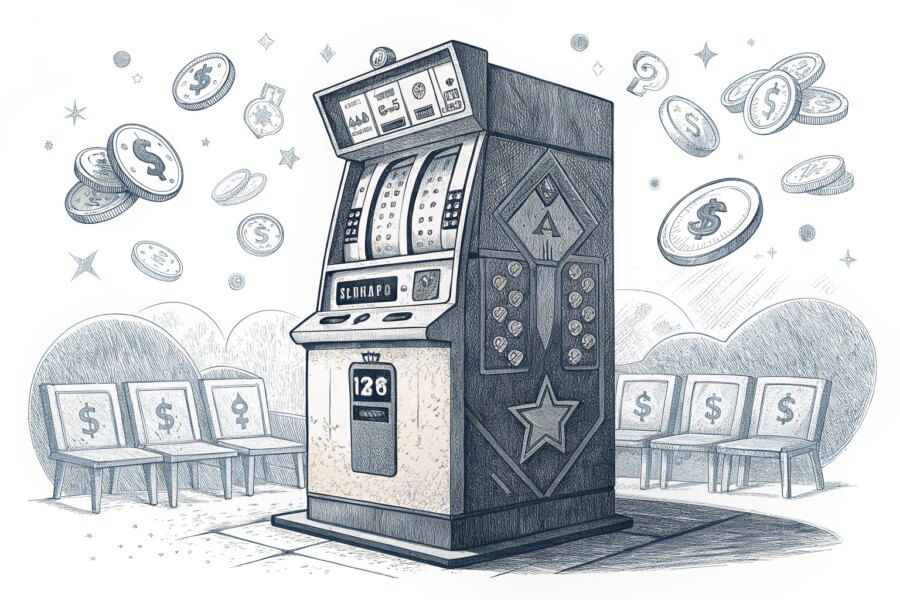
- The party wants to block plans to raise the maximum slot stake to €2 and increase the maximum payout to €200.
- A proposed €200m annual fund would support gambling harm prevention programmes through Italy’s regions.
- The amendments would expand gambling advertising restrictions to cover similar brands, websites and domains.
- The government is relying on gambling measures to generate additional revenue, with retail gaming machines playing a larger role than initially expected.
Italy’s main opposition party has proposed a series of amendments aimed at reversing gambling-related measures contained in the government’s 2027 budget. The proposals would prevent increases to slot machine stakes and payouts, create a €200m annual gambling harm fund and expand restrictions on gambling advertising, setting up a political challenge to Prime Minister Giorgia Meloni’s plans for the sector.
Italy.- The main opposition party has proposed a series of amendments to the 2027 budget that would block plans to increase slot machine stakes and prizes in Italy. The proposals would also establish a €200m annual fund for gambling harm prevention and expand restrictions on gambling advertising.
The measures were submitted by the centre-left Partito Democratico (PD). According to Il Fatto Quotidiano, the proposals form part of nearly 7,000 amendments lodged with the Chamber of Deputies’ Budget Committee before the November 17, 2026 deadline. In a statement outlining its position, the party insisted that “state revenue cannot depend on increasing opportunities to gamble.”
While the proposals are not expected to be adopted, they demonstrate the most prominent opposition challenge to the gambling provisions in Prime Minister Giorgia Meloni’s budget package. The PD is the largest opposition group in parliament, holding 68 of the chamber’s 398 seats, while Meloni’s governing coalition commands 232.
The budget approved in October generated some surprise for its concentration on retail gaming machines to increase the gambling sector’s contribution to stake finances. The budget increases the PREU tax on AWP slot machines from 24 per cent to 25 per cent and raises the rate on video lottery terminals (VLTs) from 8.6 per cent to 9.6 per cent. It also doubles the maximum permitted slot stake to €2 and increases the maximum payout to €200.
The government hopes the higher limits will help revive a segment that has been under pressure. Data from Italy’s customs and monopolies agency, ADM, showed slot revenue declined 5.7 per cent during the second quarter.
The PD wants to maintain the existing stake and prize limits. It has also proposed abolishing a reduced 20 per cent PREU rate available to higher-payout slot machines and eliminating a settlement mechanism that allows concessionaires to reduce liabilities connected to a 2015 levy.
The party also wants to eliminate the additional weekly Lotto and SuperEnalotto draw introduced by the government, a measure forecast to generate €30.5m in 2027. Another proposal would cancel the early extension of Italy’s Gratta e Vinci scratchcard concession, which is valued at €188m.
The opposition party is also seeking the creation of a €200m annual gambling harm fund to be administered by the Ministry of Health and distributed among Italy’s regions. An additional €2m per year would be allocated to revive a national gambling observatory.
Advertising restrictions form another major element of the proposals. Italy already prohibits gambling advertising under the 2018 Dignity Decree, including for the 46 operators that each paid €7m for an online gambling licence under the current framework introduced in November 2025. The PD wants the ban widened to include brands, websites and domains that closely resemble gambling operators, including sports-related portals and sites using “.info” and “.eu” domains. Violations would be subject to fines equal to 10 per cent of the value of the sponsorship or advertising agreement. A separate amendment would prohibit the sale of chance-based video game content to under-18s.
The amendments also address the future of retail gambling licences. Land-based slot, betting and bingo concessions are due to expire at the end of 2026 after efforts to reach a national agreement on venue locations collapsed in August. The government’s budget extends those licences until 2029, but the PD wants the Ministry of Economy to establish a timetable for a new tender process by June 2028, with fresh concessions taking effect from 2030.
FAQs
What gambling measures is the Italian opposition trying to block?
The Partito Democratico wants to prevent the planned increase in the maximum slot machine stake from €1 to €2 and the maximum payout from €100 to €200, along with other gambling-related budget measures.
What is the proposed €200m gambling harm fund?
The opposition has proposed creating a €200m annual fund administered by the Ministry of Health and distributed to Italy’s regions to support gambling harm prevention initiatives.
How would Italy’s gambling advertising rules change under the proposals?
The amendments would extend existing restrictions to brands, websites and domains that closely resemble gambling operators, including some sports-related portals and sites using “.info” and “.eu” domains.
Why did the government increase slot machine stakes and payouts?
The government hopes higher stake and prize limits will help revive the retail gaming machine segment, which recorded a 5.7 per cent decline in revenue during the second quarter.
When will Italy’s budget amendments be considered?
The Budget Committee is due to rule on the admissibility of amendments on November 23, 2026, with political parties deciding which proposals proceed to a vote by November 26, 2026.